
Ever wondered why a simple piece of equipment like a pull-up bar is a staple in so many workout routines? You’re not alone.
Pull-up bars might seem straightforward, but they hold the key to unlocking a powerful upper body and core. Imagine engaging multiple muscle groups with just one exercise, boosting your strength and confidence in a way that’s both challenging and rewarding.
Intrigued? Discover how a pull-up bar can transform your fitness routine and why it could be the missing link in your pursuit of a stronger, healthier you. Dive in to learn what a pull-up bar really works and how it can redefine your approach to fitness.
Credit: 4thavenue69.com
Benefits Of Using A Pull Up Bar
Using a pull-up bar offers numerous benefits for fitness enthusiasts. It’s a simple yet effective tool for improving overall strength and health. Whether at home or the gym, pull-up bars are versatile and accessible. Let’s explore the key benefits of incorporating a pull-up bar into your workout routine.
Strengthening Muscles
Pull-up bars engage various muscle groups, enhancing upper body strength. They target the back, shoulders, and arms. Regular use can lead to noticeable muscle development. It’s a great way to build a strong and toned physique.
Improving Grip
Grip strength is essential for daily activities. Pull-up bars help improve grip by challenging hand and forearm muscles. Stronger grip reduces injury risk and enhances performance in other exercises.
Enhancing Posture
Good posture is vital for health and appearance. Pull-up exercises help align the spine and strengthen back muscles. Consistent workouts can lead to improved posture over time. This reduces back pain and increases confidence.
Boosting Core Stability
Core stability is crucial for overall fitness. Pull-up bars activate core muscles during exercises. This engagement strengthens and stabilizes the core. A strong core supports balance and improves performance in various activities.
Types Of Pull Up Bars
Pull up bars come in various types, each offering unique benefits. They are essential for building upper body strength. Depending on space and needs, different options are available. Let’s explore some popular types.
Doorway Bars
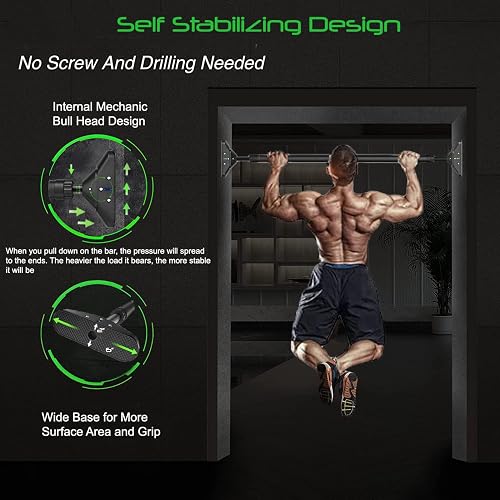
Doorway bars are compact and easy to install. They fit snugly between door frames. Users can quickly set them up without tools. They are ideal for small spaces and travel. Their portability makes them a favorite for home workouts.
Wall-mounted Bars
Wall-mounted bars offer stability and strength. They attach securely to walls with bolts. This type is perfect for dedicated gym spaces. It provides a sturdy option for intense workouts. Users can perform various exercises with confidence.
Ceiling-mounted Bars
Ceiling-mounted bars are great for maximizing space. They install directly onto ceilings. This setup allows for full range of motion. Users can enjoy unrestricted movement during pull-ups. It’s a solid choice for garage gyms.
Freestanding Bars
Freestanding bars do not require wall or ceiling support. They offer flexibility in placement and use. These bars are perfect for outdoor and indoor use. With adjustable heights, users can customize their workout experience. They are versatile and easy to relocate.
How To Perform A Pull Up
A pull-up bar targets upper body strength, engaging muscles like the back, shoulders, and arms. Grasp the bar with palms facing away, lift your body until your chin passes the bar, and slowly lower yourself down. This exercise builds core stability and enhances grip strength.
Performing a pull-up can seem daunting, but it’s a rewarding exercise. Pull-ups are a staple for building upper body strength. They target muscles in your back, shoulders, and arms. Let’s break down how you can perform pull-ups effectively. We’ll cover proper technique, common mistakes, modifications for beginners, and advanced variations.
Proper Technique
Begin by gripping the bar with your palms facing away from you. Keep your hands shoulder-width apart. Hang with your arms fully extended. Engage your core and pull yourself up. Aim to bring your chin above the bar. Lower yourself back down in a controlled manner. Maintain a steady pace throughout.
Common Mistakes
Avoid swinging your body for momentum. Keep your movements controlled. Don’t let your elbows flare out too much. Ensure your grip is firm, but not too tight. Avoid arching your back excessively. Maintain a straight posture.
Modifications For Beginners
Start with assisted pull-ups using resistance bands. Use a chair to help push yourself up. Practice negative pull-ups by lowering yourself slowly. Try inverted rows to build initial strength. Focus on grip and shoulder exercises for preparation.
Advanced Variations
Try weighted pull-ups for added resistance. Experiment with one-arm pull-ups for greater challenge. Incorporate L-sit pull-ups to engage your core. Attempt clap pull-ups for explosive strength. Mix in muscle-ups for advanced skill development.
Muscles Targeted By Pull Ups
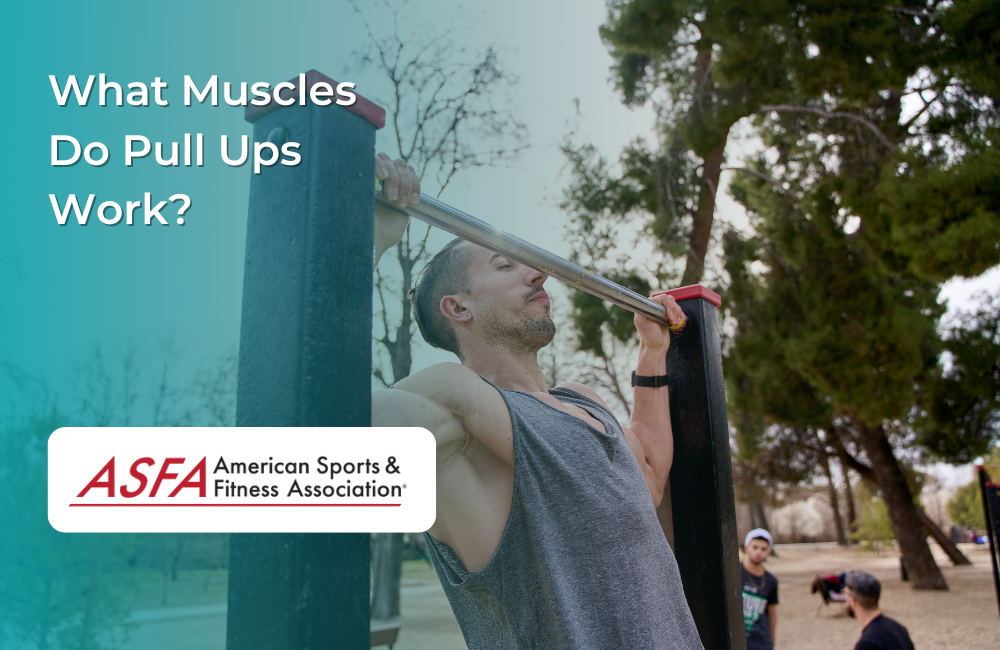
Pull-ups effectively target key muscles including the back, shoulders, and arms. The pull-up bar strengthens your upper body by engaging the latissimus dorsi, biceps, and rhomboids.
Muscles Targeted by Pull Ups Pull ups are a powerhouse exercise. They engage multiple muscle groups. This makes them perfect for building strength. Let’s dive into the muscles targeted.
Back Muscles
Pull ups primarily work the back muscles. The latissimus dorsi is the main muscle engaged. It’s responsible for the wide, V-shaped appearance. Pull ups also target the trapezius. This muscle helps stabilize the shoulder blades.
Shoulders
The shoulders play a crucial role in pull ups. The deltoids are engaged throughout the movement. They assist in lifting the body. This strengthens and stabilizes the shoulders. Pull ups can lead to improved shoulder definition.
Arms
Your arms bear much of the pull up load. The biceps are heavily involved. They bend your elbows during the lift. The brachialis, a deeper arm muscle, also gets stronger. Pull ups contribute to well-toned arms.
Core
The core muscles keep your body steady. They prevent swinging during the exercise. The abdominals engage to maintain posture. Pull ups also activate the obliques. This results in a more defined core.
Incorporating Pull Ups Into Your Routine
A pull-up bar targets various muscle groups, including back, shoulders, and arms. It enhances upper body strength and improves posture. Adding pull-ups to your workout can boost overall fitness and endurance.
Incorporating pull-ups into your routine can boost your fitness. They strengthen your upper body and core. This exercise is versatile and fits various workout plans. Consistent practice improves strength and endurance. Here’s how to make pull-ups a regular part of your fitness journey:
Setting Goals
Define clear goals for your pull-up routine. Start with a specific number of reps. Gradually increase them over time. This helps track your progress. Set realistic and achievable targets. Aim for small milestones first. Celebrate each success to stay motivated.
Creating A Balanced Workout
Balance pull-ups with other exercises. Include push-ups and squats for a full-body workout. Mix in cardio for heart health. Vary your workouts to prevent boredom. This keeps your routine exciting and effective. Switch up your exercises weekly or bi-weekly.
Tracking Progress
Record your pull-up progress regularly. Use a notebook or app to log workouts. Note the number of reps and sets. Track improvements in strength and endurance. This shows your growth over time. It also highlights areas needing improvement.
Recovery And Rest
Prioritize recovery to avoid injury. Rest days are vital for muscle repair. Adequate sleep supports recovery. Hydrate well and eat balanced meals. Listen to your body’s needs. Adjust your routine if feeling fatigued. Rest supports consistent progress and health.
Credit: www.americansportandfitness.com
Safety Tips For Using Pull Up Bars
Pull up bars strengthen arms, shoulders, and back muscles. Ensure stability before use to prevent accidents. Maintain a firm grip and control your movements to avoid injuries while exercising.
Using a pull-up bar can be a great way to build strength. But safety should always come first. Ensuring your pull-up bar is securely installed and knowing how to use it properly can help prevent injuries. Here are some crucial safety tips to keep in mind.
Proper Installation
Correct installation is vital for a safe workout. Ensure the bar fits your door frame or wall securely. Check the weight limit of the bar before use. Regularly inspect for any signs of wear or damage. A loose or unstable bar can be dangerous. Tighten any screws or bolts if needed.
Warm-up Exercises
Start with a warm-up to prepare your muscles. Gentle stretches and light cardio can increase blood flow. Focus on warming up your arms, shoulders, and back. This reduces the risk of muscle strains. A good warm-up sets the stage for a successful workout.
Avoiding Injury
Maintain proper form while using the pull-up bar. Keep your core tight and shoulders back. Avoid jerky movements that can strain muscles. If you’re new, start with assisted pull-ups. Gradually increase your reps as you gain strength. Safety should always be your top priority.
Listening To Your Body
Pay attention to how your body feels during exercises. Stop immediately if you feel pain or discomfort. Pushing through pain can lead to serious injuries. Rest when your body needs it. Consistent workouts are great, but rest is important too. Balance is key for long-term success.
Pull Up Bar Accessories
Pull up bar accessories enhance workouts by targeting various muscle groups. They add versatility to exercises like pull-ups, chin-ups, and hanging leg raises. These tools improve grip strength and support diverse training routines.
Pull Up Bar Accessories can truly elevate your workout experience, offering versatility and enhancing your strength training routine. Accessories are not just add-ons; they are tools that can help you target specific muscle groups, improve your grip, and even assist you in achieving that first elusive pull-up. Imagine having a workout station right in your home that caters to your unique fitness needs. How awesome is that? Let’s dive into some of the most beneficial pull-up bar accessories that can take your workout to the next level.
Grips And Handles
Different grips and handles can drastically alter your pull-up routine. By using various grips, you can target different muscles. For example, a wide grip works your upper back, while a neutral grip focuses on your biceps. Ever felt like your hands are slipping during a workout? Adding ergonomic handles can improve your grip and comfort, allowing you to push through those last few reps. Wouldn’t it be nice to feel that secure grip and focus more on your form?
Resistance Bands
Resistance bands are an excellent accessory for pull-up bars, especially if you’re still building strength. They provide support, making pull-ups more manageable and helping you maintain proper form. Have you ever tried using a band and felt the instant relief in overcoming that initial pull? These bands come in varying resistance levels, which means you can gradually decrease the assistance as you get stronger. This makes it easier to track your progress and challenge yourself.
Assisted Pull Up Machines
If you’re serious about mastering pull-ups, an assisted pull-up machine can be a game-changer. These machines use counterbalance weights to help you lift your bodyweight, making it easier to perform the exercise correctly. Imagine being able to perform multiple sets without feeling completely exhausted! They allow for gradual progression, making it a great option for beginners or anyone looking to perfect their technique.
Chalk And Gloves
Chalk is a simple yet effective tool to improve your grip by reducing sweat. Have you ever experienced your palms getting slippery mid-workout? A bit of chalk can prevent that, giving you the confidence to hold on tight and perform better. Gloves offer similar benefits but also protect your hands from calluses. They can be particularly useful for longer workouts or for those who prefer a softer grip. Isn’t it worth investing in comfort and grip when pushing your limits?

Credit: www.youtube.com
Frequently Asked Questions
What Does The Pull-up Bar Work?
A pull-up bar targets upper body muscles, including the back, shoulders, and arms. It strengthens grip and core. Perfect for building muscle and enhancing endurance, it’s a versatile tool for fitness enthusiasts. Regular use improves posture and supports overall upper body conditioning.
Can Pull-ups Reduce Belly Fat?
Pull-ups alone don’t target belly fat directly. They build upper body strength and burn calories, aiding overall fat loss. Combine pull-ups with a balanced diet and cardio exercises for effective belly fat reduction. Consistency and a holistic fitness approach are key to achieving desired results.
Will 20 Pull-ups A Day Do Anything?
Performing 20 pull-ups daily improves upper body strength, enhances endurance, and boosts muscle tone. Regular practice aids in building core stability. Consistency is key for noticeable results. Ensure proper form to maximize benefits and prevent injuries. Balance pull-ups with other exercises for comprehensive fitness.
What Muscles Do Pull-up Bars Work Out?
Pull-up bars primarily work out the back, shoulders, and arm muscles. They target the latissimus dorsi, biceps, and rhomboids. This exercise also engages the core and forearms, providing a comprehensive upper body workout. Regular pull-ups enhance strength and muscle definition effectively.
Conclusion
Pull up bars offer excellent workout opportunities. They build upper body strength efficiently. With regular use, they enhance muscle tone and endurance. Ideal for home workouts, they fit in small spaces. This tool supports various exercises, like chin-ups and hanging leg raises.
They challenge different muscle groups, keeping workouts dynamic. Consistent training with a pull up bar can improve your fitness. Start small, increase repetitions gradually. Remember, safety is important, ensure proper installation. Enjoy the benefits of this versatile equipment. Stay committed, see results over time.
Your journey towards better fitness starts here.