
Do you want to build a strong, defined center of your chest that turns heads and boosts your confidence? You’re not alone.
Many people struggle to develop this key area, but with the right approach, you can see real progress. You’ll discover simple, effective exercises and tips designed to target the center of your chest. By following these steps, you’ll create the powerful, balanced look you’ve been aiming for.
Keep reading to unlock the secrets that will transform your chest workouts and deliver the results you want.
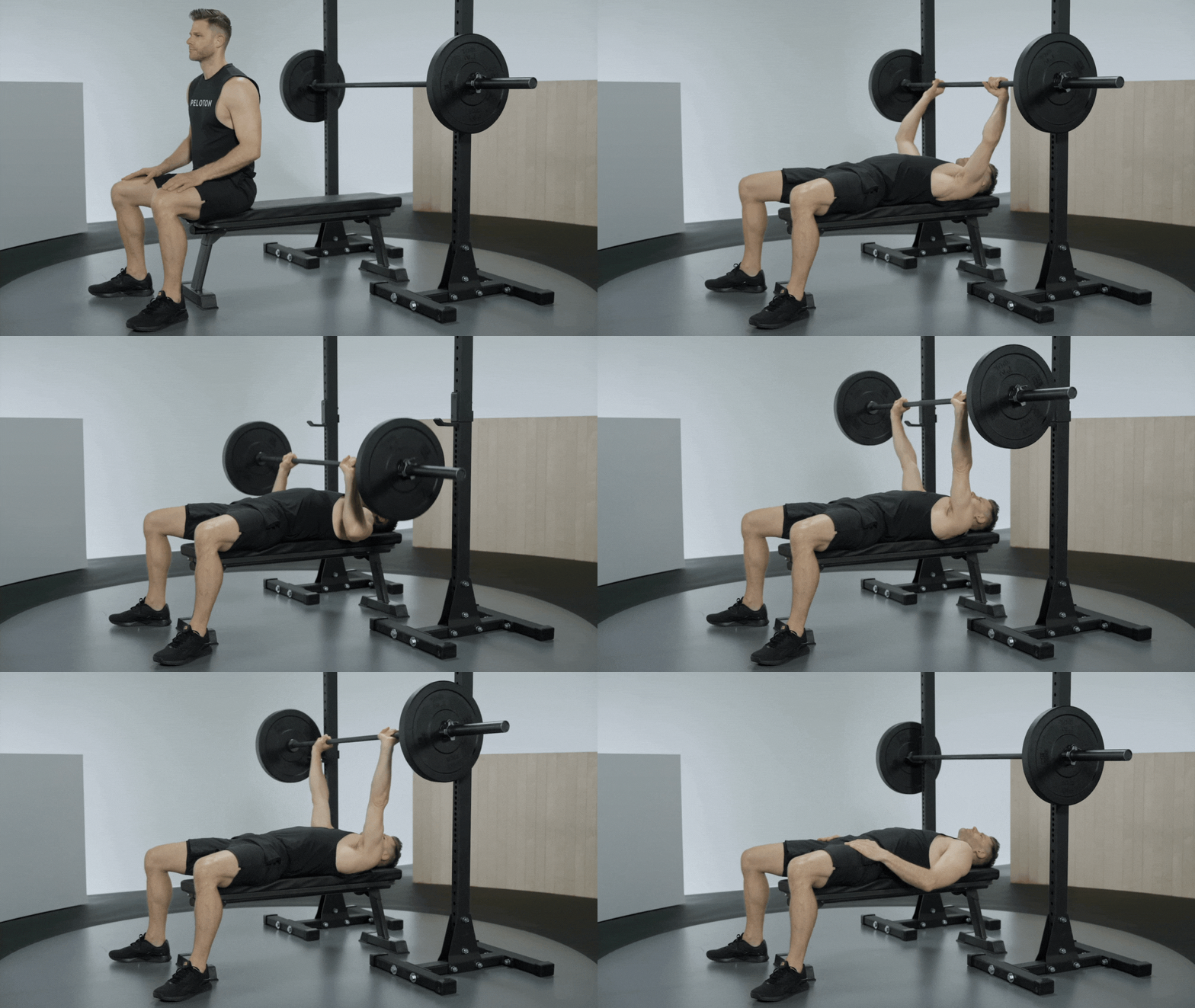
Credit: www.onepeloton.com
Chest Anatomy Basics
Understanding the basics of chest anatomy can significantly enhance your workout results, especially when aiming to build the center of your chest. The chest is a complex muscle group that requires targeted exercises to develop different areas effectively. By grasping the fundamental structure, you can tailor your workout to maximize growth and definition.
Muscle Groups In The Chest
The chest primarily consists of the pectoralis major and pectoralis minor muscles. The pectoralis major is the larger, fan-shaped muscle that covers most of your upper chest. It is divided into the clavicular head (upper chest) and the sternal head (lower chest). These muscles work together to move your arms across your body and perform pushing motions.
The pectoralis minor, a thinner, triangular muscle underneath the pectoralis major, plays a supporting role. It stabilizes the shoulder blades and assists in movements involving the chest. Focusing on these muscle groups can help you achieve a well-rounded and strong chest.
Role Of The Center Chest
The center chest, often overlooked, is crucial for a balanced and defined appearance. It is where the two sides of the pectoralis major meet, creating a distinct line down the middle of your chest. Many people struggle to develop this area due to improper exercise techniques or lack of focus.
Engaging the center chest requires specific exercises, such as close-grip bench presses or cable flyes, which emphasize the inner portion of the pecs. Have you ever wondered why your chest lacks that sculpted look despite regular workouts? It might be time to pay more attention to your center chest development.
By understanding and targeting these specific muscle groups and roles, you can unlock the potential for a fuller, more defined chest. Try incorporating exercises that focus on the center chest in your routine and observe the difference. Are you ready to take your chest workouts to the next level?

Credit: www.muscleandfitness.com
Effective Exercises For Center Chest
Building the center of your chest requires focused effort on exercises that target the inner pectoral muscles. These exercises help create that defined line down the middle of your chest, enhancing both strength and aesthetics. Choosing the right movements can make a big difference in how your chest develops.
Incline Dumbbell Press
The incline dumbbell press targets the upper chest, but adjusting your grip and range of motion can emphasize the center area. Use a neutral grip where your palms face each other to engage the inner chest more effectively.
Focus on bringing the dumbbells close together at the top of the lift. This squeeze at the peak activates the muscles in the center of your chest better than a wide, flat press.
Have you tried changing your grip angle to see how your chest responds? Small tweaks like this can reveal weak spots and improve your muscle connection.
Cable Crossovers
Cable crossovers are excellent for isolating the inner chest because they keep constant tension on the muscles. Set the pulleys high, and bring your hands together in front of you, crossing one hand over the other.
Slow down the movement during the squeeze phase to really feel the contraction in the center of your chest. Avoid letting the cables snap back quickly; control is key here.
Try varying the height of the cables to hit different parts of the chest, but keep your focus on the center contraction every rep.
Squeeze Press
The squeeze press is a simple but effective exercise for targeting the inner chest. Hold two dumbbells together, pressing them against each other as you perform a standard chest press.
This constant pressure forces your inner chest to work harder throughout the movement. You’ll notice a deeper burn and a stronger mind-muscle connection.
Have you ever felt how pressing the weights together changes the way your chest muscles engage? It’s a subtle difference that can lead to noticeable improvements.
Form Tips For Maximum Activation
To build the center of the chest effectively, focus on form. Proper technique helps target the muscles better. This section covers key tips to activate the chest muscles fully.
Proper Hand Placement
Place your hands slightly closer than shoulder-width. This targets the inner chest more. Avoid placing hands too wide or too narrow. Keep your wrists aligned with your elbows. This reduces strain and improves muscle focus.
Controlled Movement
Move slowly and with control. Avoid using momentum to lift the weight. Lower the weight slowly to feel the stretch. Pause briefly at the bottom before pressing up. This increases muscle tension and activation.
Mind-muscle Connection
Focus your mind on the chest muscles during each rep. Visualize the center of your chest working hard. Contract the chest fully at the top of each movement. This helps recruit more muscle fibers for growth.
Workout Routines To Target Center Chest
Targeting the center of your chest requires focused workout routines that emphasize the inner pec muscles. These exercises help create a defined line down the middle, improving both strength and aesthetics. Whether you’re just starting out or looking to push your limits, there are routines designed to fit your current level and help you progress effectively.
Beginner Routine
Start with exercises that build a solid foundation without overwhelming your muscles. Focus on form and controlled movements to activate the center chest effectively.
- Close-Grip Push-Ups:Keep your hands closer than shoulder-width to target the inner chest. Aim for 3 sets of 10-12 reps.
- Chest Fly with Dumbbells:Use light weights and perform slow, controlled fly motions. This stretches and contracts the inner pecs well.
- Incline Dumbbell Press:Set the bench at 30-45 degrees to hit the upper-inner chest. Perform 3 sets of 8-10 reps.
These moves helped me feel the muscle working right in the center, which was a game-changer. What small adjustment could you make today to feel more connection with your chest?
Intermediate Routine
Once you master the basics, it’s time to add more intensity and variety. Include exercises that challenge your muscles from different angles and increase volume.
- Cable Crossover (from high to low):Focus on crossing the cables in front of your chest to squeeze the center pecs. Perform 4 sets of 12 reps.
- Weighted Dips (Chest Leaning Forward):Lean forward slightly to put more stress on the chest rather than triceps. Aim for 3 sets of 8-10 reps.
- Decline Dumbbell Press:This targets the lower-inner chest and adds shape to the center area. Do 3-4 sets of 8 reps.
Increasing the workload helped me break through plateaus and see real changes in my chest shape. Are you adjusting your routine enough to force progress?
Advanced Routine
At this stage, precision and overload drive results. Focus on maximizing tension on the center chest and incorporating advanced techniques.
- Weighted Cable Fly with Pause:Hold the peak contraction for 2 seconds to increase muscle engagement. Complete 4 sets of 10-12 reps.
- Single-Arm Dumbbell Press on Stability Ball:This challenges your core and isolates each side of the chest. Perform 3 sets of 8-10 reps per arm.
- Isometric Chest Squeeze:Press your palms together in front of your chest and hold for 30 seconds. Repeat 3 times.
Incorporating pauses and instability forced my muscles to work harder and grow stronger. How can you push beyond your current limits to sculpt your center chest?
Nutrition For Muscle Definition
Nutrition plays a crucial role in building the center of your chest and achieving muscle definition. Without the right fuel, your workouts won’t translate into visible progress. Paying attention to what you eat can make a significant difference in muscle growth, recovery, and overall appearance.
Protein Intake
Protein is the building block of muscle. Aim to consume a source of lean protein with every meal to support muscle repair and growth.
- Chicken breast, turkey, and lean beef are excellent choices.
- Plant-based options like lentils, chickpeas, and tofu work well too.
- Protein shakes can be a convenient way to boost intake after workouts.
How much protein do you really need? A good target is around 1.2 to 2 grams per kilogram of your body weight daily, but listen to your body and adjust based on how you feel and recover.
Calorie Management
Muscle definition requires a balance between eating enough to build muscle and managing your calories to reduce fat. Eating too much can hide your chest muscles under fat, while eating too little can stall muscle growth.
Focus on a slight calorie surplus if you’re building muscle or a modest deficit if leaning out. Tracking your food for a week can reveal if you’re hitting your calorie goals consistently.
Try to fill your plate with whole foods like vegetables, whole grains, and healthy fats to stay full and energized.
Hydration Tips
Water is often overlooked but essential for muscle function and definition. Proper hydration helps maintain muscle fullness and supports nutrient transport to your cells.
- Drink at least 8 cups of water daily, more if you sweat heavily during workouts.
- Consider adding electrolytes if you train intensely or in hot conditions.
- Notice how your muscles feel when you’re well-hydrated versus dehydrated—it can be a game changer.
Are you drinking enough water to support your muscle goals, or could hydration be the missing link?
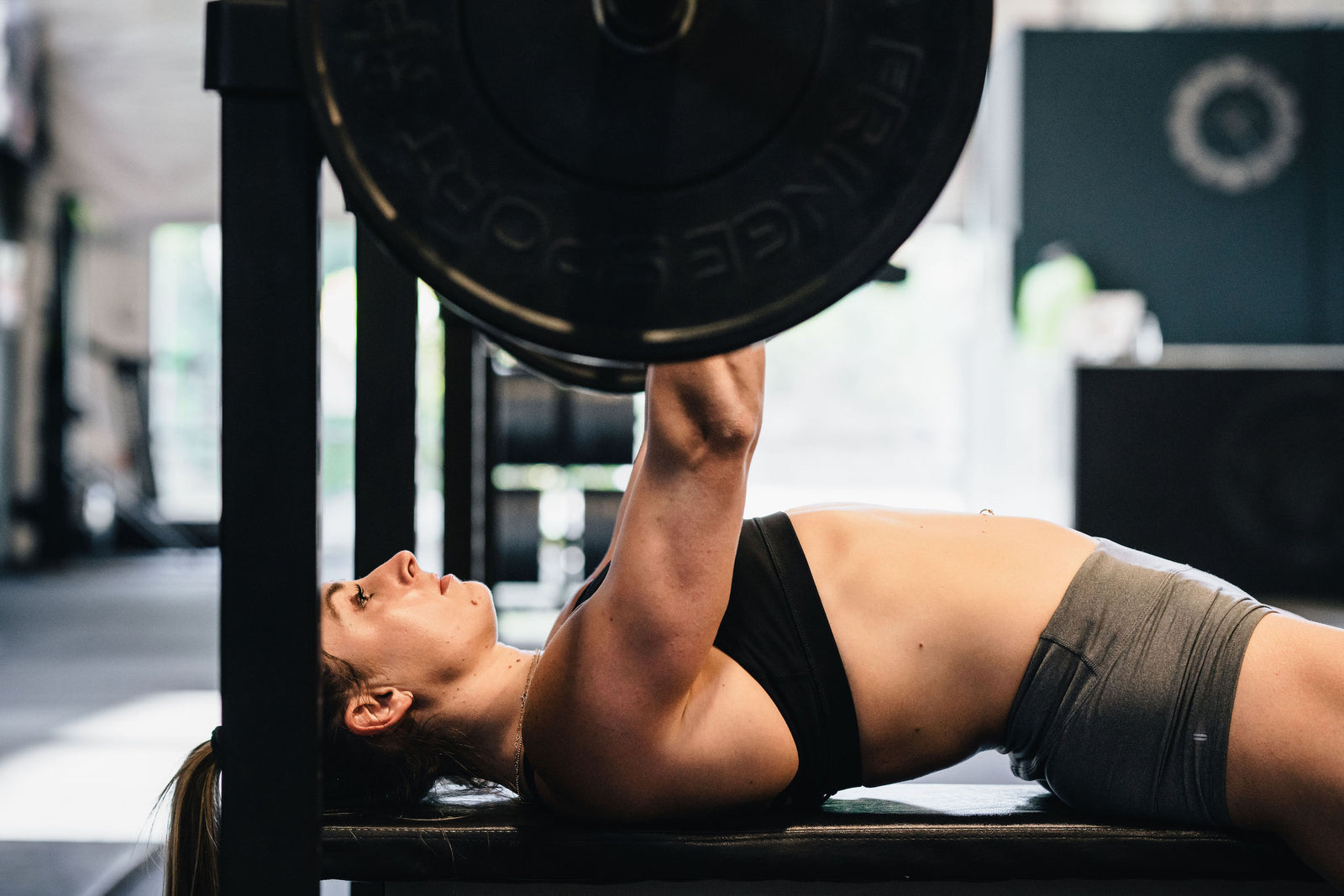
Credit: swolverine.com
Recovery And Injury Prevention
Recovery and injury prevention are vital for building the center of your chest. Muscles need time to heal and grow stronger after workouts. Ignoring rest or proper care can cause pain and slow progress. Smart recovery keeps your chest muscles healthy and ready for the next session.
Rest Days Importance
Rest days let your chest muscles repair and rebuild. Without rest, muscles stay tired and weak. Plan at least one or two rest days each week. Use rest days to relax, not to do heavy exercises. Good rest improves strength and reduces injury risk.
Stretching Techniques
Stretching helps keep chest muscles flexible and loose. Try gentle chest stretches before and after workouts. Use these simple stretches:
- Doorway stretch: Stand in a doorway, place hands on frame, and step forward.
- Chest opener: Clasp hands behind your back and gently lift them.
- Arm circles: Move your arms in small circles to warm the muscles.
Stretch slowly and avoid bouncing. Hold each stretch for 15 to 30 seconds.
Common Injuries To Avoid
Chest workouts can cause injuries if done wrong. Watch out for these common problems:
- Muscle strain: Happens from lifting too heavy or poor form.
- Shoulder pain: Often caused by overuse or weak supporting muscles.
- Tendonitis: Inflammation from repetitive chest exercises.
Prevent injuries by using proper technique and steady progress. Stop if you feel sharp pain and rest. Seek help if pain continues or worsens.
Tracking Progress And Staying Motivated
Tracking progress and staying motivated are key to building the center of your chest effectively. Without clear feedback, it’s easy to lose focus or doubt your efforts. Keeping tabs on your growth and setting achievable targets will keep your workouts purposeful and your mindset strong.
Measuring Muscle Growth
Visual changes are rewarding, but they can be subtle at first. Use a combination of methods to track your chest development:
- Take photos from the same angle and lighting every two weeks.
- Measure your chest circumference with a tape measure, focusing on the center area.
- Track strength improvements by noting weights and reps in your workouts.
Seeing numbers improve or pictures evolve can boost your confidence and confirm your hard work is paying off. Have you tried comparing photos side-by-side? It can reveal progress you might not notice day-to-day.
Setting Realistic Goals
Goals give your training direction. Instead of vague aims like “bigger chest,” set specific, achievable targets. For example, aim to add 5 pounds to your bench press or increase your chest measurement by half an inch in a month.
Break big goals into smaller milestones. This approach keeps you from feeling overwhelmed and makes every success more satisfying. What small win can you celebrate this week?
Motivation Strategies
Motivation can fluctuate, so having strategies to stay consistent is crucial. Try these tips:
- Keep a workout journal to record your progress and reflect on challenges.
- Find a workout partner or join a fitness community for support and accountability.
- Mix up your routine with new exercises targeting the chest center to prevent boredom.
- Reward yourself when you hit milestones—treat it as recognition of your dedication.
Sometimes, asking yourself why you started can reignite your drive. What’s your deeper reason for building your chest? Hold onto that when motivation dips.
Frequently Asked Questions
What Exercises Target The Center Of The Chest?
Focus on close-grip bench presses, cable flyes, and pec deck machines. These exercises engage the inner chest muscles effectively for focused growth.
How Often Should I Train My Chest For Best Results?
Train your chest 2 to 3 times per week. Allow at least 48 hours of rest between sessions for optimal muscle recovery.
Can Diet Affect Chest Muscle Development?
Yes, a protein-rich diet supports muscle repair and growth. Combine balanced nutrition with strength training for better chest muscle gains.
Is Proper Form Important For Building The Chest Center?
Absolutely. Correct form ensures targeted muscle activation and reduces injury risk. Focus on controlled movements and full range of motion.
Conclusion
Building the center of your chest takes time and effort. Focus on exercises that target the inner chest muscles. Consistency matters more than heavy weights. Keep your form correct to avoid injuries. Rest and nutrition help muscles grow strong. Track your progress and adjust your routine.
Stay patient and enjoy small improvements. Strong chest muscles improve posture and strength. Your hard work will show with time. Keep pushing forward and stay motivated.