
Are you ready to practice yoga but don’t have a mat on hand? You might think you have to wait or skip your session altogether.
But what if you could start right now using something you already have? Finding the right surface is key to staying comfortable and safe during your practice. You’ll discover simple, effective alternatives to a yoga mat that can keep you grounded and supported.
Keep reading to unlock easy solutions that help you flow through your poses without missing a beat. Your perfect practice space might be closer than you think.

Credit: www.self.com
Towels As A Yoga Base
Towels can be a simple and effective base for yoga practice. They offer a soft, cushioned surface and can absorb sweat well. Many yogis use towels instead of mats, especially during hot yoga or travel. Towels are easy to carry and wash, making them a practical choice for yoga sessions anywhere.
Choosing The Right Towel Material
Select a towel that feels comfortable and provides good grip. Cotton towels are soft and absorbent but may slip on smooth floors. Microfiber towels dry quickly and offer better traction. Look for towels with a non-slip backing or consider using a yoga towel designed specifically for practice. The right towel should balance softness and stability.
Benefits Of Using Towels
- Towels absorb sweat, keeping you dry during practice.
- They are lightweight and easy to carry for travel.
- Towels can be washed frequently, maintaining hygiene.
- They provide a soft surface for joints and pressure points.
- Cost-effective compared to traditional yoga mats.
Best Practices For Towel Use
Place the towel on a flat, clean surface. Smooth out any wrinkles to avoid discomfort. Use towel clips or non-slip pads to keep it in place. Wash the towel regularly to prevent odors and bacteria. Carry a second towel for extra grip or to wipe sweat during intense sessions.

Credit: www.gq.com
Carpet And Rugs
Carpets and rugs can be great alternatives to yoga mats, especially if you want a soft surface that cushions your body during practice. They are commonly found at home, making them a convenient option when you don’t have a mat nearby. However, not all carpets and rugs offer the same level of comfort and support, so choosing the right type is key to maintaining your yoga flow without discomfort.
Types Of Carpets Suitable For Yoga
Look for carpets that have a low pile or are flat-woven. These types provide a stable surface, which helps with balance and prevents your hands or feet from slipping.
- Flat-weave rugs:Thin and firm, they offer excellent grip and stability.
- Low-pile carpets:Soft enough to cushion but not so thick that they make balancing difficult.
- Natural fiber rugs:Materials like jute or sisal add texture and grip, but check for any roughness that might irritate your skin.
Comfort And Support Considerations
While carpets add softness, they might not always provide enough cushioning for your joints. You could place a folded blanket or towel underneath for extra padding in sensitive areas like knees and wrists.
Think about how much support you need for your practice. If your carpet feels too hard or uneven, it might cause discomfort or distract you from your poses.
Also, consider the carpet’s thickness in relation to your balance. Too thick, and you may wobble; too thin, and your body may feel the hard floor beneath.
Maintaining Cleanliness
Yoga involves close contact with the floor, so cleanliness is crucial. Carpets and rugs can trap dust, sweat, and allergens more easily than a yoga mat.
Regular vacuuming and occasional deep cleaning will keep your practice space fresh and hygienic. You might also want to air out your rug after each session to prevent moisture buildup and odors.
Have you checked how often you clean your carpet? It might be time to add that step to your yoga routine to protect your health and comfort.
Grass And Outdoor Surfaces
Practicing yoga on grass or other outdoor surfaces offers a fresh alternative to traditional yoga mats. It connects you directly to nature, providing a unique sensory experience that many find grounding and calming. However, taking your practice outside requires some preparation and awareness to ensure comfort and safety.
Preparing Outdoor Spaces
Choose a flat, clean patch of grass free from sharp objects like stones or sticks. Mowing the lawn beforehand helps create a smoother surface for your poses. If the ground is damp, lay down a thin towel or natural fiber cloth to keep yourself dry without losing the feel of the earth beneath you.
Check the weather forecast before heading out. Early morning or late afternoon sessions often offer the best temperatures and softer sunlight. Don’t forget sunscreen and insect repellent to protect your skin during longer practices.
Advantages Of Natural Ground
Grass provides a soft, cushioned base that supports your joints gently during yoga poses. Its uneven texture encourages stronger engagement of stabilizing muscles, improving your balance and posture. Plus, being outdoors exposes you to fresh air, which can enhance your breathing and mental clarity.
Practicing on natural surfaces can deepen your connection to the environment and reduce stress. Have you noticed how the scent of fresh grass or the sound of birdsong changes your focus during your practice? These elements create a richer, more mindful yoga experience.
Safety Tips For Outdoor Practice
Inspect the area thoroughly to avoid hazards like insect nests, thorns, or uneven ground that could cause injury. Wear appropriate clothing to protect against bugs and sun exposure. Bring water to stay hydrated, especially on warm days.
Be mindful of your body’s signals—outdoor surfaces can be less forgiving than mats in some poses. If you feel discomfort or instability, modify or skip those poses. Your safety ensures you can keep enjoying yoga in nature without setbacks.
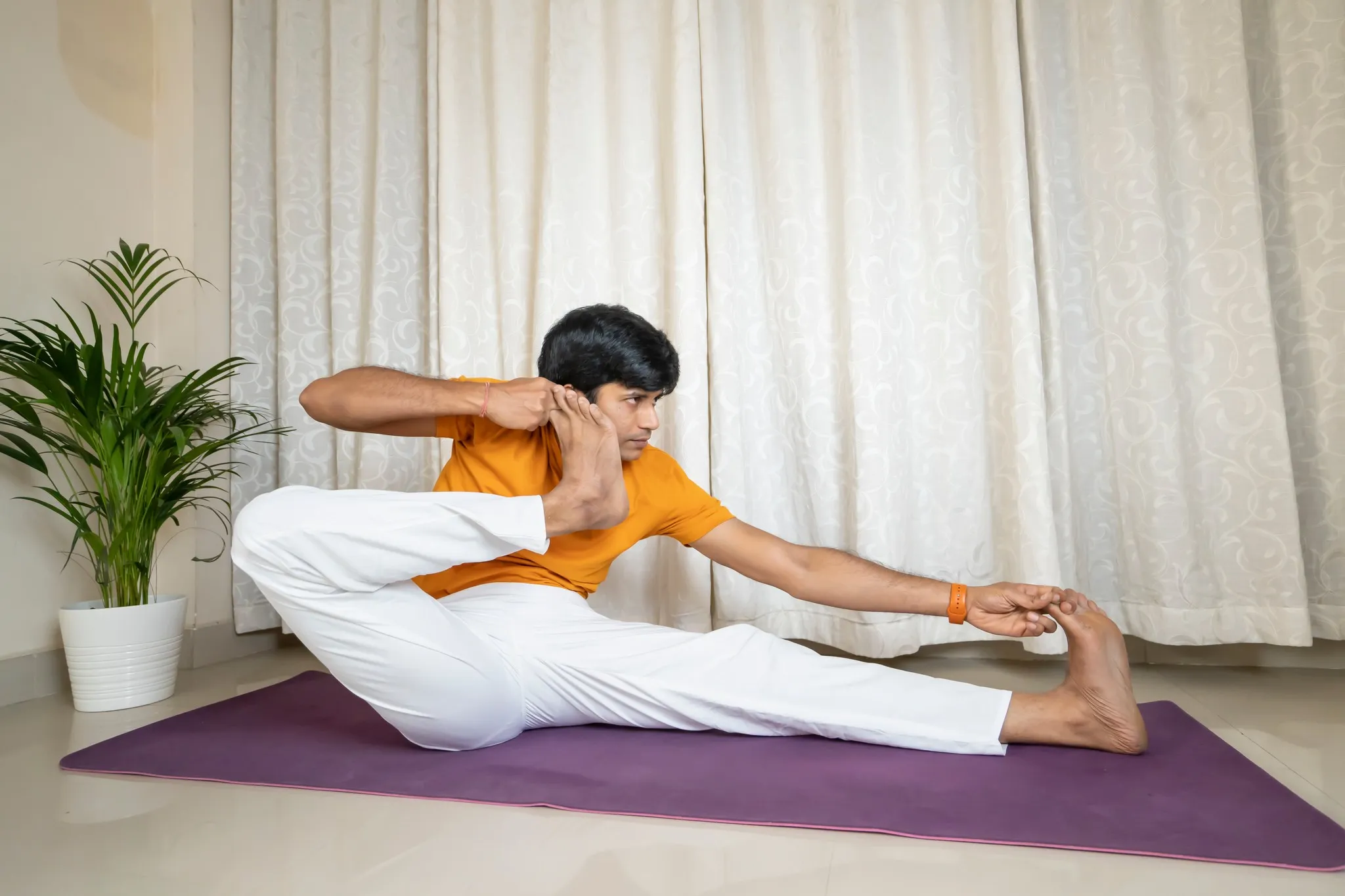
Credit: myyogateacher.com
Foam Pads And Cushions
Foam pads and cushions offer a practical alternative to traditional yoga mats. They provide extra support and comfort, especially if you have sensitive joints or prefer a softer surface. Using foam pads can transform any space into a cozy yoga spot without needing a full-sized mat.
Selecting Foam Thickness
Choosing the right thickness is crucial for both comfort and stability. Thicker foam cushions, around 1 to 2 inches, work well if you need extra padding for your knees or hips. However, thinner options, like half an inch, allow for better balance and a stronger connection to the floor.
Think about your regular practice: Do you spend more time in seated poses or standing balances? This will help you decide the ideal foam thickness to support your body without compromising your posture.
Portability And Storage
Foam pads come in various sizes and weights, so consider how easy it is to carry and store them. Lightweight cushions can fit into a backpack, making them perfect for travel or outdoor sessions. Bulkier options might stay at home, but they offer a stable and cushioned surface where you need it most.
Ask yourself if you want something that can double as a seat cushion or a small mattress. This dual use can save space and add value to your purchase.
Combining Pads With Other Alternatives
Sometimes, a foam pad alone isn’t enough, and pairing it with other items enhances your practice. You can place a foam pad on top of a towel or blanket for extra grip and softness. Or use it under a rug to create a non-slip surface that feels gentle on your joints.
Have you tried mixing and matching household items for your yoga setup? Experimenting with combinations might reveal a surprisingly comfortable solution tailored to your needs.
Beach Towels And Blankets
Beach towels and blankets offer a simple alternative to yoga mats. They are easy to carry and often found at home. These items provide a soft surface for yoga or stretching exercises. Their versatility makes them popular for outdoor or casual practice. Understanding their durability, grip, and care helps you decide if they suit your routine.
Durability And Grip Features
Beach towels and blankets vary in thickness and material. Most are made of cotton or microfiber, which feel soft on the skin. They do not have the same grip as yoga mats. Slipping can happen on smooth floors or during sweat-heavy sessions. Choosing a towel with a textured surface improves grip slightly. Towels with denser fibers last longer and resist wear better.
Ideal Conditions For Use
Beach towels and blankets work well on soft or sandy surfaces. They absorb moisture, making them useful for hot, outdoor yoga. Use them on grass or carpet for extra comfort. Avoid slippery floors where towels might slide easily. They suit gentle poses and stretches rather than intense flows. Perfect for casual practice or short sessions outside.
Cleaning And Care
Cleaning beach towels and blankets is easy. Most can be machine washed after each use. Use mild detergent and avoid fabric softeners to keep fibers intact. Dry them completely before folding to prevent mildew. Regular washing keeps them fresh and hygienic. Store in a dry place to maintain their quality over time.
Non-slip Mats And Rugs
Non-slip mats and rugs offer a solid alternative to traditional yoga mats. They provide a secure surface that helps maintain balance. Many types fit different practice styles and spaces. These options often come in various materials and textures. They can add comfort and prevent slipping during poses.
Material Options
Choose mats or rugs made from natural fibers like cotton or jute. These materials feel soft underfoot and absorb sweat well. Synthetic options such as rubber or PVC provide extra grip. Foam mats add cushioning but may vary in slip resistance. Consider the texture and thickness for comfort and safety.
Traction And Stability
Look for mats with a textured surface to enhance grip. Rubber-backed rugs stay firmly on hard floors. Some mats feature raised patterns to prevent slipping. Stability is key to avoiding injuries during poses. Test the surface before use to ensure it holds steady.
Budget-friendly Choices
Non-slip mats and rugs can be affordable and easy to find. Cotton area rugs or yoga towels often cost less than specialized mats. Recycled rubber mats offer durability on a budget. Shopping sales or secondhand stores can yield good deals. These options suit beginners or casual practitioners well.
Diy Yoga Surfaces
DIY yoga surfaces offer a simple way to practice yoga without a traditional mat. You can create your own comfortable and safe area using items around the house. These surfaces allow for flexibility in size, texture, and thickness. They also save money and reduce waste.
Creating A Custom Mat
Start with a flat, non-slip base to prevent slipping. Layer soft materials for cushioning and comfort. Secure layers together with strong tape or fabric glue. Cut the mat to your preferred size and shape. Personalize it with fabric paint or markers for a unique look.
Materials To Use At Home
- Old towels or blankets folded to add thickness
- Carpet pieces with a soft, dense pile
- Foam floor tiles for extra cushioning
- Yoga towels for grip and sweat absorption
- Rubber shelf liners to prevent slipping
Tips For Durability And Comfort
- Choose materials that dry quickly to avoid mold
- Use double-sided tape to keep layers from shifting
- Clean the surface regularly to maintain freshness
- Store rolled or flat to prevent creases
- Test the surface on hard floors before use
Frequently Asked Questions
What Can I Use Instead Of A Yoga Mat?
You can use a towel, blanket, or rug instead of a yoga mat. These alternatives provide cushioning and grip. Ensure they are clean and non-slippery. This offers a comfortable yoga experience at home or while traveling. They are affordable and easily available.
Are Blankets A Good Yoga Mat Alternative?
Yes, blankets are a great alternative to yoga mats. They offer comfort and cushioning. Fold them to your desired thickness for support. Ensure they are non-slippery and clean. Blankets are versatile and can be easily adjusted according to your yoga practice needs.
Can I Do Yoga On Carpet Without A Mat?
Yes, you can practice yoga on a carpet without a mat. Carpets provide natural cushioning and grip. Ensure the surface is clean and free from debris. This makes it a convenient option at home. It’s also a budget-friendly alternative for beginners.
Are Beach Towels Suitable For Yoga Practice?
Beach towels can be used for yoga practice. They offer a soft and absorbent surface. Ensure the towel is large enough to cover your practice area. Choose one with a non-slip grip for safety. They are easy to carry and wash, perfect for travel.
Conclusion
Using something other than a yoga mat can work well. Towels, blankets, or carpet offer good support and comfort. Choose what feels soft and stable under your hands and feet. Always keep safety and cleanliness in mind. Try different options to see what suits your practice best.
Stay consistent, and enjoy your yoga time anywhere. Simple swaps can keep your routine fresh and easy. No need to worry if you don’t have a mat. Just move, breathe, and focus on your flow.