
Choosing the right yoga mat can make a big difference in your practice. You want something that feels comfortable, supports your body, and lasts through every stretch and pose.
But with so many options out there, how do you know which one is best for you? This guide will help you find a yoga mat that fits your needs perfectly. By the end, you’ll feel confident and ready to roll out your mat with excitement every time.
Keep reading to discover the simple steps that will transform your yoga experience.

Credit: www.trxtraining.com
Types Of Yoga Mats
Choosing the right yoga mat depends on understanding the types available. Yoga mats differ in material, thickness, and texture. These factors affect comfort, support, and stability during practice. Knowing these types helps select a mat that suits your needs and style.
Material Options
Yoga mats come in various materials. The most common are PVC, natural rubber, and TPE. PVC mats are durable and affordable but less eco-friendly. Natural rubber mats offer good grip and are biodegradable. TPE mats combine light weight and eco-friendliness. Cotton and jute mats provide a natural feel but less cushioning. Each material affects the mat’s weight, feel, and environmental impact.
Thickness Levels
Thickness influences comfort and stability. Thin mats, around 1/16 inch, provide better balance and connection to the floor. Thicker mats, up to 1/4 inch, offer extra cushioning for joints and comfort. Travel mats are often thin for easy folding and carrying. Choose thickness based on your practice style and body needs.
Texture And Grip
Texture affects how well a mat holds your hands and feet. Smooth mats may feel soft but can be slippery when sweaty. Textured mats improve grip and prevent slipping during poses. Some mats have raised patterns for extra traction. A good grip supports balance and safety in your practice. Test the texture before buying to ensure it feels right for you.

Credit: www.scheels.com
Matching Mat To Yoga Style
Choosing the right yoga mat depends on the style of yoga you practice. Each yoga type has specific needs for grip, thickness, and material. Matching your mat to your yoga style improves comfort and performance. It also helps prevent injuries and keeps you focused on your practice.
Mats For Hot Yoga
Hot yoga requires mats that handle sweat well. Look for mats with strong grip to prevent slipping. Materials like natural rubber or microfiber work best. They absorb moisture and keep you stable. A thicker mat adds extra cushioning for sweaty floors. A non-slip surface is essential for safety during intense poses.
Mats For Gentle Yoga
Gentle yoga uses slow, relaxing movements. Softer mats with more cushioning feel comfortable on joints. Foam mats or thicker PVC mats work well. They offer good support for seated and lying poses. Lightweight mats are easy to carry for gentle yoga classes. Choose a mat that feels soft under your knees and back.
Mats For Power Yoga
Power yoga is fast and energetic. Mats need to be durable and provide excellent grip. Thin mats help maintain balance and connection to the floor. A dense material like natural rubber offers stability. A mat with a textured surface stops slipping during fast moves. Durable mats last longer through intense sessions and frequent use.
Size And Weight Considerations
Choosing the right size and weight for a yoga mat affects comfort and ease of use. The mat should fit your body and suit your lifestyle. Size impacts how much space you have for poses. Weight determines how easy it is to carry the mat around.
Standard Dimensions
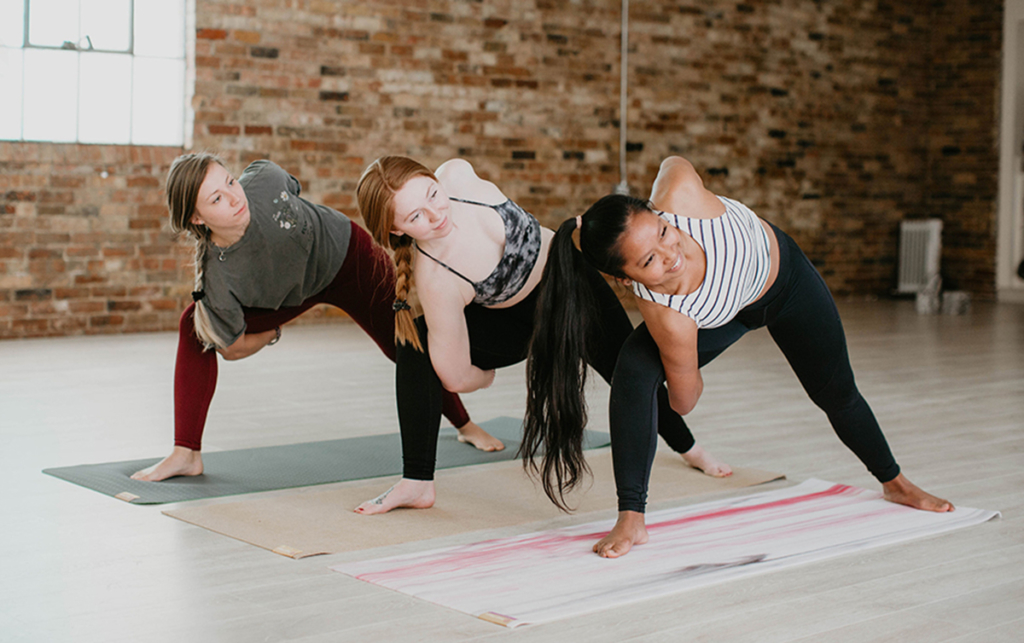
Most yoga mats measure about 68 inches long and 24 inches wide. This size works well for most people. Taller practitioners may want mats that are 72 inches or longer. Wider mats provide more room for movement but can be heavier. Choose a size that matches your height and practice style.
Travel-friendly Mats
Travel mats are thinner and lighter than standard mats. They usually roll up small to fit in bags easily. These mats prioritize portability over cushioning. Ideal for those who practice yoga on the go or at different locations. Keep in mind thinner mats offer less joint support.
Portability Factors
- Weight: Lighter mats are easier to carry every day.
- Material: Some materials add bulk or reduce weight.
- Thickness: Thicker mats provide comfort but add weight.
- Carrying options: Straps or bags improve transport convenience.
Balance comfort and portability to find the best yoga mat for you.
Credit: www.huggermugger.com
Comfort And Support Features
Choosing a yoga mat with the right comfort and support features is key for a good practice. These features help keep the body safe and stable during poses. Comfort makes each session enjoyable. Support protects joints and improves balance. Below are some important points to think about.
Cushioning Importance
Cushioning helps absorb pressure from hard floors. It reduces discomfort during seated or lying poses. Thicker mats offer more padding but may affect balance. Thinner mats provide less cushion but better ground feel. Choose cushioning based on your practice style and body needs.
Joint Protection
Good support protects knees, wrists, and elbows. It lowers the risk of pain and injuries. Mats with medium to high density foam help spread weight evenly. This prevents stress on sensitive joints. A mat that cushions well is best for beginners and those with joint issues.
Surface Stability
Stable surfaces prevent slipping and falling. Look for mats with a textured top layer. This grips hands and feet during poses. A non-slip bottom keeps the mat in place on the floor. Surface stability builds confidence and safety in every move.
Durability And Maintenance
Durability and maintenance are key factors when choosing a yoga mat. A mat that lasts longer and stays clean can save you money and enhance your practice. Understanding how to care for your mat helps keep it in top condition and ready for every session.
Cleaning Tips
Regular cleaning prevents bacteria buildup and keeps your mat smelling fresh. Use a mixture of water and mild soap or a dedicated yoga mat cleaner. Avoid harsh chemicals that can break down the material.
After cleaning, wipe the mat with a damp cloth and let it air dry completely before rolling it up. This simple routine can prevent mold and extend the life of your mat. How often do you clean your mat? Try setting a weekly schedule to maintain hygiene.
Wear Resistance
Check the mat’s material for wear resistance. PVC mats usually last longer but may lack eco-friendliness. Natural rubber mats offer good grip but can wear out faster with heavy use.
Look for mats with reinforced edges or extra thickness if you practice frequently. These features help your mat withstand daily use and reduce peeling or tearing. Have you noticed signs of wear on your current mat? That’s a clear signal to upgrade.
Storage Advice
Proper storage affects your mat’s durability. Avoid leaving it in direct sunlight or damp places as this can cause fading and material breakdown. Roll your mat loosely instead of folding it to prevent creases.
Consider using a yoga mat bag to protect it during travel or storage. This extra step keeps dust and dirt away and preserves your mat’s shape. Do you store your mat in a way that protects it from damage?
Eco-friendly Choices
Choosing an eco-friendly yoga mat helps protect the planet. It supports a cleaner environment and reduces waste. Many mats use materials that harm nature. Selecting the right mat can make a positive difference.
Sustainable Materials
Sustainable mats use natural fibers like jute, cork, or organic cotton. These materials grow quickly and renew easily. They require less water and energy to produce. Such mats last long and break down naturally over time.
Biodegradable Options
Biodegradable mats return to the earth without leaving toxins. They break down in compost or soil within months or years. Avoid mats made from synthetic plastics that take centuries to decay. Biodegradable mats reduce landfill waste and pollution.
Non-toxic Manufacturing
Non-toxic mats avoid harmful chemicals during production. They do not release fumes or irritate skin. Look for mats free from PVC, phthalates, and heavy metals. Non-toxic mats are safer for your health and the environment.
Budget And Brand Options
Choosing the right yoga mat involves balancing budget and brand choices. Your budget sets the limits on material quality, durability, and extra features. Brand reputation often reflects product reliability and customer satisfaction.
Many brands offer mats at various price points. Knowing your budget helps narrow down options. Understanding what trusted brands provide ensures good value for your money.
Affordable Picks
Affordable yoga mats suit beginners and casual users. These mats focus on basic comfort and grip. Expect lightweight materials and simple designs. Good options usually cost under $30.
- Lightweight and easy to carry
- Basic cushioning for joint support
- Simple patterns and colors
- Durable enough for occasional use
Affordable mats may wear faster but still offer decent performance. They are perfect for yoga newbies or those on a tight budget.
Premium Mats
Premium yoga mats offer enhanced comfort and durability. These mats use high-quality materials like natural rubber or eco-friendly alternatives. They provide superior grip, thickness, and support.
- Extra cushioning for long sessions
- Non-slip surfaces for stability
- Eco-conscious and skin-friendly materials
- Stylish designs and color options
Expect premium mats to cost $60 or more. They are a great investment for regular practitioners seeking long-term value.
Trusted Brands
Brand reputation matters in yoga mats. Trusted brands ensure quality control and customer support. They often have positive reviews and proven durability.
- Reliable material and construction
- Customer-friendly return policies
- Wide range of options for different needs
- Consistent performance over time
Choosing mats from well-known brands reduces risk. It guarantees a product that meets your yoga practice demands.
Frequently Asked Questions
What Factors Should I Consider When Choosing A Yoga Mat?
When choosing a yoga mat, consider thickness, material, texture, and durability. Thickness affects comfort and support. Material influences grip and eco-friendliness. Texture impacts traction, and durability ensures long-term use. Choose a mat that aligns with your practice style and personal preferences for the best experience.
How Does Mat Thickness Affect My Practice?
Mat thickness impacts comfort and joint protection during yoga. A thicker mat offers more cushioning, ideal for sensitive joints. However, it might reduce stability for balancing poses. A thinner mat provides better grounding and stability but less cushioning. Choose based on your comfort and practice needs.
Which Material Is Best For A Yoga Mat?
Yoga mats come in various materials like PVC, TPE, rubber, and cork. PVC is durable but less eco-friendly. TPE is lightweight and recyclable. Rubber offers excellent grip and is eco-friendly. Cork is antimicrobial and sustainable. Choose a material that fits your grip preference and environmental values.
Why Is Texture Important In A Yoga Mat?
Texture influences grip and slip-resistance on a yoga mat. A textured surface provides better traction, essential for sweaty sessions. It prevents slipping and enhances stability in poses. Smooth mats may be more comfortable but offer less grip. Choose a texture that supports your practice style and environment.
Conclusion
Choosing the right yoga mat makes your practice better and more comfortable. Think about thickness, grip, and material. Pick one that fits your style and needs. A good mat supports your body and helps with balance. Take time to test different mats if you can.
The right choice keeps you motivated to practice often. Enjoy every moment on your new yoga mat!