
Are you wondering how often you should work out your legs to see real results? Getting your leg workout frequency right is key to building strength, improving endurance, and avoiding injury.
But finding the perfect balance can be confusing. Too little, and progress stalls. Too much, and your muscles don’t have time to recover. You’ll discover the ideal leg workout routine tailored just for you. Keep reading to unlock the secrets that will help you achieve stronger, leaner legs without burning out or wasting time.
Your best leg day starts here.
Leg Workout Frequency Basics
Finding the right leg workout frequency is crucial for optimal results. Regular training builds muscle strength and endurance. But how often should you train your legs? Understanding the basics of leg workout frequency helps in planning an effective routine.
Muscle Recovery Time
Muscles need time to recover after a workout. Typically, leg muscles require 48 to 72 hours. This recovery time allows muscles to repair and grow stronger. Training too soon can lead to fatigue and injury. Listen to your body and rest adequately between sessions.
Training Volume And Intensity
Volume and intensity affect workout frequency. High-intensity sessions may need more recovery time. Lower intensity workouts can be done more often. Balance your training to prevent overtraining and injury. Adjust volume and intensity based on your fitness level.
Individual Goals Impact
Personal goals influence leg workout frequency. Want to build muscle? You might train less frequently but with higher intensity. Aiming for endurance? Consider more frequent sessions with lower intensity. Tailor your routine to fit your specific objectives. This ensures consistent progress and motivation.

Credit: www.reddit.com
Benefits Of Frequent Leg Training
Training your legs frequently can transform your fitness journey in powerful ways. The legs are home to some of the largest muscle groups in your body, and working them often can lead to noticeable improvements. You might wonder if hitting leg day more than once a week is worth it—let’s break down the real benefits you’ll see.
Enhanced Muscle Hypertrophy
Working your legs frequently stimulates muscle growth by increasing the total training volume. When you challenge your muscles more often, you create more opportunities for growth and repair. Consistency in leg training helps you push past plateaus and see tangible size gains.
Think about your quads, hamstrings, and glutes as muscles that respond well to frequent stress. Don’t be afraid to add variety—squats, lunges, and deadlifts can all contribute to bigger, stronger legs when done regularly.
Improved Strength Gains
Strength doesn’t come from occasional sessions; it builds through regular, focused effort. Training your legs frequently enhances neuromuscular efficiency, meaning your brain and muscles communicate better. This improved coordination lets you lift heavier weights over time.
For example, increasing the frequency of your leg workouts helped me push my squat from 135 lbs to 185 lbs within a few months. Are you ready to see what your legs can really handle with consistent effort?
Better Endurance And Performance
Frequent leg training also boosts muscular endurance, helping you perform better in sports and daily activities. Your legs will tire less quickly, letting you run, jump, or cycle longer without fatigue. This improved stamina can make a huge difference in how active and energetic you feel.
Adding short, frequent leg workouts focused on endurance can complement your strength days. How much more could you achieve if your legs never felt like the weak link?
Risks Of Overtraining Legs
Training legs frequently might seem like a fast track to stronger, more defined muscles. However, pushing your leg workouts too hard or too often can backfire. Understanding the risks of overtraining legs is essential to keep your progress steady and your body safe.
Injury Potential
Leg muscles and joints endure a lot of stress during workouts. Overtraining increases the risk of strains, sprains, and even stress fractures. Ignoring soreness or persistent pain might lead to serious injuries that could sideline you for weeks.
Listen to your body carefully. If your knees or ankles feel unstable, or your muscles remain tender for days, it’s time to scale back. Protecting your joints should be a priority to avoid long-term damage.
Reduced Muscle Growth
It might sound odd, but training legs too often can actually slow down muscle growth. Muscles need time to repair and grow stronger after workouts. Without enough rest, your gains may stall or even reverse.
Think about your last leg day—did you feel fully recovered before hitting the gym again? If not, your muscles might still be in repair mode. Giving them at least 48 hours of rest can make a big difference in results.
Fatigue And Burnout
Constantly pushing your legs can lead to overall fatigue that affects your workouts and daily life. Feeling drained, losing motivation, or struggling to complete exercises are signs you’re overdoing it. This burnout can derail your fitness journey completely.
Ask yourself: Are your leg workouts energizing or exhausting you? Adjusting frequency and intensity can help keep your energy up and your progress consistent. Balance is key to staying motivated and injury-free.
Optimal Leg Workout Schedules
Finding the right leg workout schedule can make a huge difference in your progress and recovery. Your choice depends on your fitness goals, recovery ability, and overall training plan. Let’s look at some common schedules to help you decide what works best for your legs.
Training Legs Once A Week
Training legs once a week works well if you’re balancing a busy schedule or focusing on other muscle groups. It gives your legs plenty of time to recover and grow stronger between sessions.
During this workout, aim for a mix of heavy compound lifts like squats and deadlifts, plus some isolation moves such as leg curls and calf raises. Keep the intensity high and volume moderate to maximize gains in one session.
Ask yourself: Can you push hard enough in one session to stimulate growth without burning out? If yes, this approach might suit you perfectly.
Training Legs Twice A Week
Training legs twice a week allows more frequent stimulation without overwhelming your recovery. It’s a great balance if you want steady progress and can handle moderate training volume.
Split your workouts by focusing on different aspects—one day for heavy strength work, the other for lighter, higher-rep exercises or plyometrics. This variety can boost muscle growth and improve endurance.
Think about how your legs feel after each workout. If soreness fades quickly and energy returns fast, twice a week can be the sweet spot for your training.
Training Legs Three Times A Week
Training legs three times weekly is demanding but can yield rapid results for experienced lifters. It requires careful attention to recovery, nutrition, and sleep to avoid overtraining.
Each session should have a clear focus—such as strength, hypertrophy, or mobility—to prevent excessive fatigue. Rotating exercises and adjusting intensity are key to sustaining this frequency.
Consider whether you can maintain consistent energy and motivation across three leg days. If so, this schedule can push your leg development to the next level.
Adjusting Frequency For Experience Levels
Adjusting leg workout frequency depends on your experience level. Different levels require different training approaches. This helps avoid injury and promotes steady progress.
Beginners need more recovery time. Intermediates can increase workout days. Advanced athletes often train legs multiple times per week.
Beginners’ Approach
Start with two leg workouts per week. Focus on basic exercises like squats and lunges. Keep workouts short and simple.
Rest days between sessions are important. Muscles need time to recover and grow. Avoid heavy weights early on. Concentrate on learning proper form.
Intermediate Lifters
Increase leg workouts to three times weekly. Add variety with new exercises like deadlifts and leg presses. Use moderate weights and controlled reps.
Balance intensity with recovery. Pay attention to muscle soreness. Adjust frequency if you feel overly tired or weak. Include stretching and mobility work.
Advanced Athletes
Train legs up to four times per week. Use split routines targeting specific muscle groups. Incorporate heavy lifting and explosive movements.
Track progress closely. Manage volume and intensity carefully. Use deload weeks to prevent burnout. Prioritize nutrition and sleep for muscle repair.
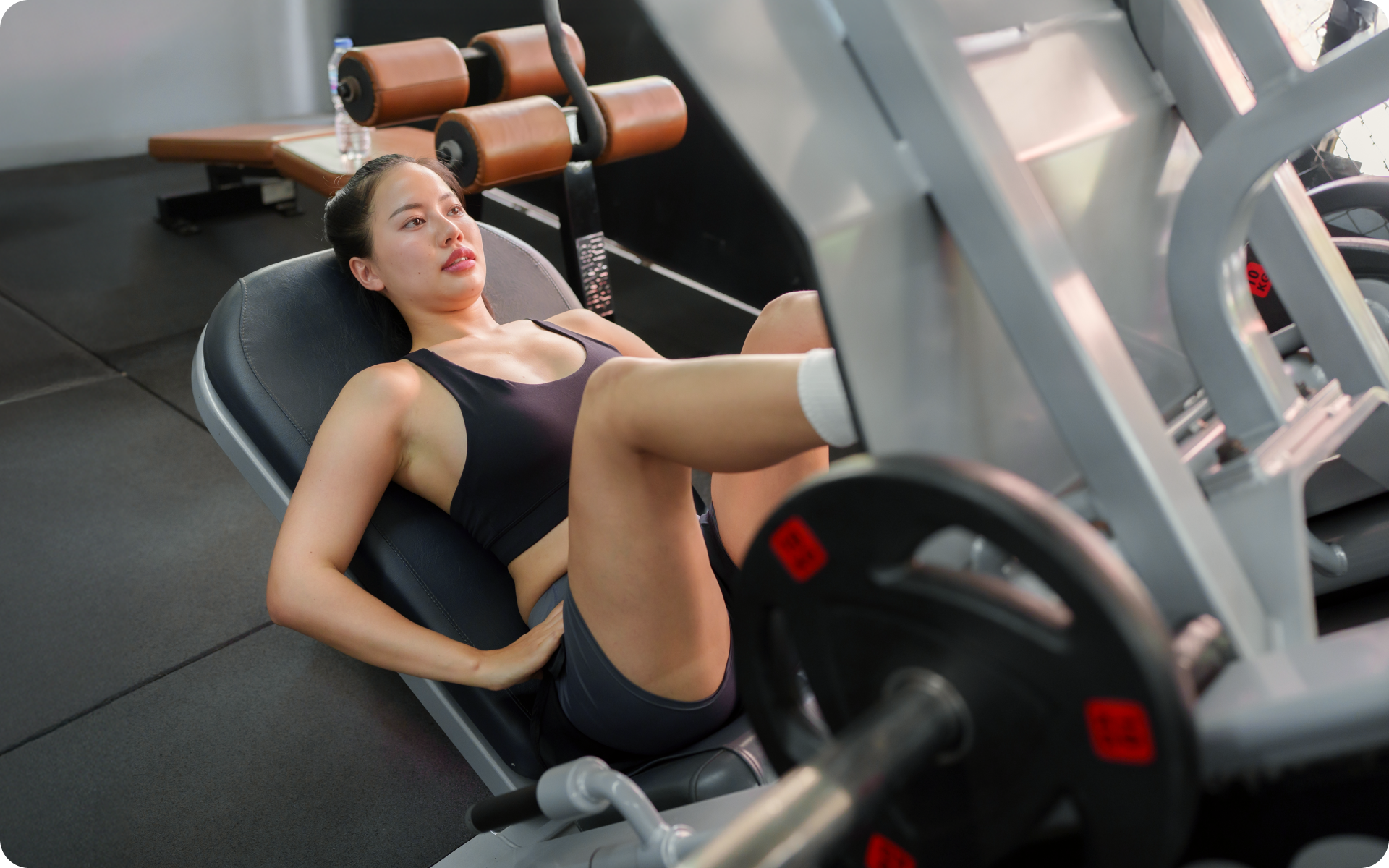
Credit: betterme.world
Workout Structure For Maximum Growth
Structuring your leg workout is key to boosting muscle growth efficiently. The right mix of exercises, loads, and recovery helps your legs grow stronger and bigger. Focus on exercises that challenge your muscles and encourage steady progress. Avoid workouts that are too easy or too intense, as both can slow growth.
Compound Vs Isolation Exercises
Compound exercises work multiple muscle groups at once. Examples include squats and deadlifts. These moves build strength and mass quickly. Isolation exercises target one muscle at a time, like leg curls or calf raises. Use them to focus on weak spots and improve muscle shape. A balanced workout has both types for the best results.
Incorporating Progressive Overload
Progressive overload means slowly increasing the weight or reps over time. This forces muscles to adapt and grow. Track your progress and add small amounts of weight regularly. You can also increase sets or reps to keep challenging your legs. Without overload, muscles stop growing and workouts become less effective.
Balancing Volume And Intensity
Volume is the total work done, like sets and reps. Intensity is how hard the exercise feels, often linked to weight lifted. Find a balance that pushes your muscles but allows recovery. Too much volume or intensity causes fatigue and injury. Adjust your plan based on how your body feels to maintain steady growth.
Nutrition And Recovery Tips
Proper nutrition and recovery are essential for effective leg workouts. They help muscles heal and grow stronger. Without good recovery, progress slows, and injuries may occur. Paying attention to what you eat and how you rest can improve your workout results.
Protein Intake For Muscle Repair
Protein is vital for fixing muscle fibers after workouts. Aim to eat enough protein daily to support muscle repair. Sources include:
- Chicken and turkey
- Fish and seafood
- Eggs and dairy products
- Beans and lentils
- Tofu and tempeh
Try to include protein in every meal. This helps steady muscle recovery throughout the day.
Rest And Sleep Importance
Muscles grow during rest, not just exercise. Sleep helps the body repair tissue and restore energy. Aim for 7 to 9 hours of quality sleep each night. Avoid late-night screen time to improve sleep quality. Rest days between leg workouts prevent overtraining and reduce injury risk.
Supplement Support
Supplements can aid nutrition but should not replace whole foods. Common options include:
- Whey protein for quick muscle repair
- Creatine for strength and endurance
- BCAAs to reduce muscle soreness
- Omega-3s for inflammation control
Consult a healthcare provider before starting supplements. They ensure safety and proper use.
Tracking Progress And Making Adjustments
Tracking progress and making adjustments are key to effective leg workouts. Monitoring how your legs respond helps you avoid plateaus and injuries. It also guides you to the right workout frequency for your goals. Consistent tracking keeps your training smart and safe.
Signs To Increase Frequency
Notice steady strength gains and improved endurance. Muscle soreness fades quickly after workouts. You feel motivated and energetic for leg sessions. Recovery time feels shorter than before. Performance in exercises improves week by week. These signs suggest your body can handle more frequent leg workouts.
When To Scale Back
Persistent muscle soreness or joint pain signals overtraining. Performance drops or you feel unusually tired. Sleep quality worsens and mood declines. Injuries or nagging aches appear during or after workouts. These warnings mean it’s time to reduce workout frequency. Rest and recovery become your priority to heal and rebuild.
Using Logs And Metrics
Keep a workout journal or use an app to track details. Record exercises, sets, reps, and weights used each session. Note how you feel before and after workouts. Track rest days and recovery quality. Use simple graphs to spot trends in strength or fatigue. Logs provide clear data to adjust your workout plan wisely.

Credit: www.jefit.com
Frequently Asked Questions
How Often Should I Do Leg Workouts Weekly?
For optimal results, perform leg workouts 2 to 3 times per week. This frequency allows muscle recovery and growth without overtraining.
Can Daily Leg Workouts Cause Injury?
Yes, daily leg workouts can increase injury risk. Muscles need rest to repair, so training legs every day may lead to strains or fatigue.
Is It Okay To Skip Leg Days Sometimes?
Skipping leg days occasionally won’t harm progress. However, consistent leg training is essential for balanced strength and preventing muscle imbalances.
How Long Should A Leg Workout Session Last?
Leg workouts should last about 45 to 60 minutes. This duration balances effective training and avoids excessive fatigue or injury risk.
Conclusion
Leg workouts help build strength and improve balance. Aim to train legs two to three times weekly. Rest days are important for muscle recovery and growth. Focus on proper form to avoid injuries. Mix exercises to keep workouts interesting and effective.
Listen to your body and adjust as needed. Consistency brings better results over time. Strong legs support overall fitness and daily activities. Keep moving, stay patient, and enjoy progress.