
Are you wondering how often you should workout your arms to see real results? Maybe you want stronger muscles, better definition, or just to avoid injury.
The answer isn’t one-size-fits-all, and getting it wrong can slow your progress or even cause setbacks. You’ll discover the perfect balance between training your arms enough to grow and giving them time to recover. Keep reading, because knowing exactly how often to work out your arms could be the game-changer you’ve been missing.
Benefits Of Arm Workouts
Arm workouts are more than just a path to stronger biceps or toned triceps. They offer a range of benefits that can enhance your overall fitness and daily life. From improved strength to better functional performance, let’s explore how regular arm workouts can be a game-changer for you.
Improved Strength And Endurance
Regular arm workouts contribute significantly to building your strength and endurance. When you consistently engage your arms with exercises like curls and presses, you will notice a marked increase in how much you can lift and how long you can sustain activities. Imagine reaching for that heavy box on the top shelf without hesitation or fatigue.
Enhanced Muscle Definition
Arm workouts are key to achieving a sculpted look. By focusing on different arm muscles, such as the biceps, triceps, and forearms, you enhance muscle definition. This not only boosts your physical appearance but also your confidence. Who doesn’t want to feel great in a sleeveless shirt?
Better Functional Performance
Strong arms translate to better functional performance in everyday tasks. Whether it’s carrying groceries, lifting your kids, or gardening, arm workouts make these activities easier and more efficient. Consider how much simpler life could be with enhanced arm strength supporting your daily endeavors.
Arm workouts offer benefits that go beyond aesthetics. They improve strength, define muscles, and boost your ability to perform daily tasks. How often do you work out your arms, and have you noticed these benefits in your routine?

Credit: unsinkablemom.com
Factors Affecting Workout Frequency
Several factors influence how often you should work out your arms. Understanding these helps you plan workouts that fit your body’s needs. The right frequency boosts muscle growth and avoids injury.
Training Experience Level
Beginners need more rest between workouts. Their muscles take longer to recover from stress. Training arms 1-2 times a week works best for them.
Intermediate lifters can increase frequency. They adapt faster and recover quicker. Training arms 2-3 times a week can be effective.
Advanced athletes handle higher frequency. They often train arms 3-4 times weekly with varied intensity. Experience helps manage fatigue and prevent overtraining.
Recovery And Rest
Muscle recovery is key to progress. Without enough rest, muscles do not grow properly. Aim for at least 48 hours of rest after arm workouts.
Good sleep and nutrition support recovery. Poor recovery can lead to soreness and injury. Listen to your body and adjust workout frequency accordingly.
Workout Intensity And Volume
High-intensity workouts require more recovery time. Heavy weights and many sets cause more muscle damage.
Lower intensity or fewer sets allow more frequent training. For example, light arm workouts can be done more often.
Balance intensity and volume to avoid burnout. Adjust how often you train arms based on how hard each session is.
Optimal Workout Frequency For Arms
Finding the right workout frequency for your arms can boost growth and strength. Training too often may lead to fatigue and poor recovery. Training too little slows progress. The key is balancing exercise and rest to maximize results.
Beginners’ Schedule
Start with 1 to 2 arm workouts per week. Focus on learning proper form. Use light to moderate weights. Allow at least 48 hours between sessions for recovery. This schedule helps build a solid foundation without causing injury.
Intermediate Routine
Train arms 2 to 3 times weekly. Increase weight gradually to challenge muscles. Include variety with exercises like curls and tricep dips. Rest days remain important to avoid overtraining. This frequency improves muscle tone and strength effectively.
Advanced Training Plans
Work arms 3 to 4 times per week with split routines. Use heavier weights and more sets. Focus on intensity and volume for muscle growth. Prioritize rest and nutrition to support recovery. Advanced plans help break plateaus and enhance definition.

Credit: www.menshealth.com
Key Arm Exercises To Include
Building strong and toned arms requires targeting all major muscle groups. Each part of the arm plays a vital role in overall strength and appearance. A balanced routine includes exercises for the biceps, triceps, and forearms. Focusing on these key areas helps improve muscle definition and arm function.
Biceps Workouts
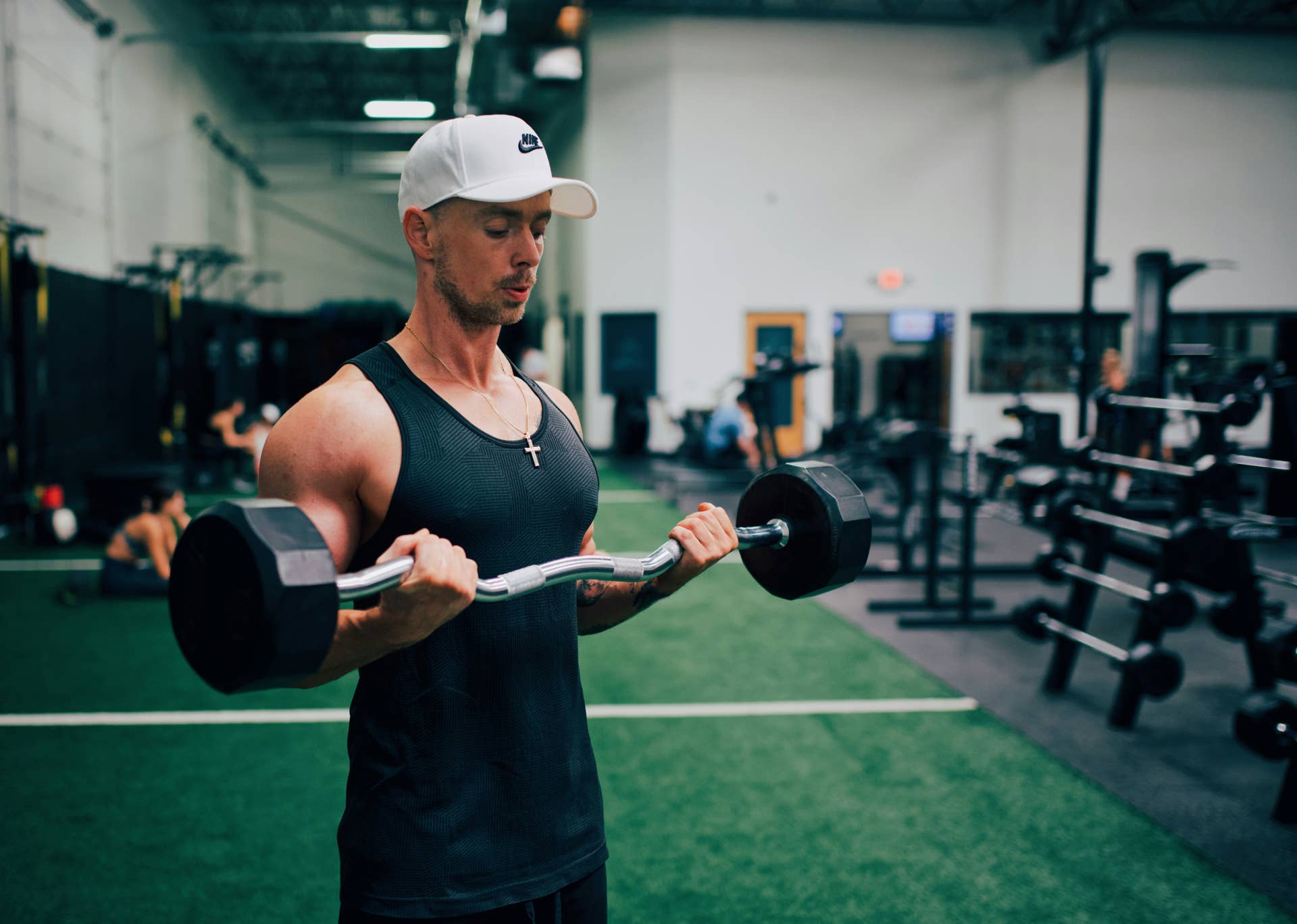
Biceps exercises focus on the front of the upper arm. These muscles help bend the elbow and rotate the forearm. Common movements include:
- Dumbbell curls
- Barbell curls
- Hammer curls
- Concentration curls
These workouts build size and strength in the biceps. Using controlled motion ensures muscle growth and reduces injury risk.
Triceps Movements
Triceps make up the back of the upper arm. They help straighten the elbow and add arm mass. Effective triceps exercises are:
- Triceps dips
- Overhead triceps extensions
- Close-grip bench press
- Triceps pushdowns
Training the triceps creates a balanced look and improves pushing strength. These moves target all three triceps heads for full development.
Forearm Training
Strong forearms improve grip and wrist stability. They support many daily and workout activities. Key forearm exercises include:
- Wrist curls
- Reverse wrist curls
- Farmer’s walks
- Plate pinches
Forearm training enhances endurance and prevents injuries. It also adds to the overall arm aesthetics.
Signs Of Overtraining Arms
Overtraining your arms can slow progress and cause harm. Recognizing the signs helps you avoid these problems. Pay attention to your body’s signals to keep your workouts safe and effective.
Muscle Fatigue And Soreness
Constant tiredness in your arm muscles is a clear sign. Soreness lasting more than a few days shows your muscles need rest. Persistent fatigue reduces your ability to train hard.
Decreased Performance
Struggling to lift weights you handled easily before means overtraining. Your strength and endurance drop. Workouts feel harder, and gains slow down or stop.
Injury Risks
Overworked arms are more prone to strains and tears. Small pains might turn into serious injuries without rest. Ignoring discomfort increases the chance of long-term damage.
Credit: www.mensfitness.com
Tips For Maximizing Arm Gains
Maximizing arm gains requires more than just lifting weights. It involves a combination of smart training, good nutrition, and proper recovery. Focusing on these key areas helps build stronger, bigger arms efficiently. Here are some tips to help you boost your arm progress effectively.
Proper Nutrition And Hydration
Your muscles need fuel to grow. Eating enough protein supports muscle repair and growth. Include lean meats, eggs, dairy, and plant-based proteins in your diet. Carbohydrates give energy for workouts. Don’t forget healthy fats for overall health.
Drink plenty of water daily. Hydration keeps muscles working well and aids recovery. Avoid sugary drinks and excessive caffeine. Proper nutrition and hydration set the foundation for better arm gains.
Progressive Overload Techniques
Muscles grow when challenged with increasing weight or intensity. Add small weight increments regularly to your arm exercises. Increase the number of reps or sets over time. Try different grips or angles to target muscles differently.
Keep a workout log to track progress. Progressive overload forces muscles to adapt and grow stronger. Avoid staying at the same weight or routine for too long.
Rest And Recovery Strategies
Muscles grow during rest, not just workouts. Allow at least 48 hours between intense arm sessions. Get 7-9 hours of sleep every night to support recovery. Use light stretching or foam rolling to reduce soreness.
Avoid overtraining, which can cause injury and slow progress. Rest days are essential for muscle repair and growth. Balance training and recovery for the best arm gains.
Integrating Arm Workouts With Full-body Training
Integrating arm workouts with full-body training helps build strength evenly. It prevents muscle imbalances and supports overall fitness goals. Combining these workouts allows efficient use of gym time. It also improves muscle coordination and endurance. Planning arm exercises within a full routine keeps workouts fresh and balanced.
Balancing Muscle Groups
Focus on all major muscle groups to avoid overworking arms. Include legs, back, chest, and core exercises alongside arm training. Balanced workouts reduce injury risk and improve posture. Aim for exercises that target multiple muscles at once. This approach enhances functional strength and muscle symmetry.
Avoiding Workout Redundancy
Change arm exercises to prevent boredom and plateaus. Use different grips, angles, and equipment regularly. Avoid repeating the same arm moves in every session. Mixing workouts helps muscles recover and grow stronger. It also keeps motivation high over time.
Scheduling For Consistency
Create a workout plan with regular arm training days. Space arm workouts to allow muscle recovery, typically 48 hours apart. Combine arm exercises with full-body sessions or split routines. Consistency builds muscle and improves endurance steadily. Track progress to adjust workout frequency as needed.
Frequently Asked Questions
How Often Should You Workout Your Arms Weekly?
Working out your arms 2-3 times per week is ideal. This frequency allows muscles to recover and grow. Avoid training arms daily to prevent overuse injuries and fatigue.
Can Daily Arm Workouts Lead To Muscle Growth?
Daily arm workouts can hinder muscle growth due to insufficient recovery. Muscles need rest to repair and strengthen. Aim for rest days between arm sessions for optimal results.
How Long Should Each Arm Workout Session Last?
Arm workouts should last about 30 to 45 minutes. This duration helps you focus on quality exercises without overtraining. Short, intense sessions are more effective than long, unfocused workouts.
Is It Important To Vary Arm Workouts Regularly?
Yes, varying arm exercises prevents plateaus and promotes balanced muscle development. Change exercises, reps, and weights every few weeks for continuous progress and injury prevention.
Conclusion
Training your arms two to three times a week works well for most people. Rest days help muscles heal and grow stronger. Focus on good form and steady progress. Avoid overdoing it to prevent injuries. Combine arm workouts with full-body exercises for best results.
Stay consistent, patient, and listen to your body. Small steps lead to better strength over time. Keep it simple and enjoy the process.