
Are you using a lifting belt but unsure how tight it should be? Getting the right fit can make a huge difference in your performance and safety.
Too loose, and it won’t give you the support you need. Too tight, and it could cause discomfort or even harm. You’ll discover exactly how to find that perfect balance. Keep reading to learn simple tips that will help you lift smarter and protect your body every time you hit the gym.
Purpose Of A Lifting Belt
A lifting belt supports your lower back during heavy lifts. It should be snug but not too tight, allowing you to breathe and move comfortably. Proper tightness helps stabilize your core and reduce injury risk.
The Purpose of a Lifting Belt goes beyond merely being a gym accessory. It’s a crucial tool that enhances your performance and safety when lifting heavy weights. Understanding its purpose can significantly impact how you use it during workouts.Benefits For Stability
A lifting belt provides essential support to your lower back and abdominal area. By increasing intra-abdominal pressure, it creates a stable core that acts like a natural brace. This added stability allows you to maintain a proper posture, reducing the risk of injury during heavy lifts. Imagine squatting with confidence because your core feels rock-solid. That’s the stability a well-fitted lifting belt brings. It becomes your dependable partner, especially when you’re pushing your limits.Impact On Performance
Using a lifting belt can significantly boost your performance. It enables you to lift heavier weights by providing additional support and confidence. Many lifters notice an immediate increase in their lifting capacity when wearing a belt. Consider the time you attempted a personal best and felt the belt keeping you grounded. That extra confidence can be the difference between setting a new record and falling short. It’s not just about physical support; it’s about mental assurance too. Are you maximizing the potential of your lifting belt? Ensuring it’s neither too tight nor too loose is key. An overly tight belt can hinder your breathing, while a loose one won’t offer adequate support. Adjust it until you find that sweet spot where comfort meets functionality. Incorporating these insights can make your lifting sessions more productive and enjoyable. Next time you reach for your belt, remember its purpose and the advantages it offers.Signs Of Proper Tightness
Knowing the signs of proper tightness helps ensure safety and performance. A lifting belt should feel snug without causing pain or restricting movement. Proper tightness supports your core and protects your back during heavy lifts. Watch for these key signs to find the right fit.
Feeling Of Support
The belt should press firmly against your abdomen. It creates a solid wall for your core muscles. You feel stable, not loose or shifting. The pressure helps increase intra-abdominal tension, boosting lift power. Proper support feels like a helpful brace, not a painful squeeze.
Breathing And Comfort
You can still breathe deeply and naturally. The belt should not stop your chest or stomach from expanding. Holding breath during a lift is normal, but the belt must allow that without discomfort. If breathing feels forced or restricted, the belt is too tight. Comfort is key for maintaining effort and focus.
Range Of Motion
Your movement should feel free and controlled. The belt should not block bending, twisting, or turning. Proper tightness supports your posture without limiting flexibility. You can perform your lift with smooth and confident motions. Limited range means the belt might need loosening for better performance.
Methods To Adjust Belt Tightness
Adjusting your lifting belt to the right tightness is key for support and comfort during heavy lifts. Too tight can restrict breathing and movement, too loose and it won’t provide the needed stability. Let’s break down some easy ways to find that perfect fit so you can lift with confidence.
Hand Test Technique
This is a simple way to check your belt tightness without any tools. After fastening your belt, try slipping your hand between your belly and the belt.
- If your hand slides in easily with no resistance, the belt is too loose.
- If it’s a struggle or impossible to fit your hand, the belt is likely too tight.
- Ideally, you want to feel slight resistance as your hand slides in, showing the belt supports your core without choking it.
I once ignored this check and tightened my belt too much. It left me struggling to breathe mid-squat, which ruined my form. This test saved me from that mistake afterward.
Two-finger Rule
This method involves checking if you can fit two fingers between your belt and skin. It’s a quick way to gauge your belt’s snugness.
- Place two fingers flat against your side after tightening the belt.
- If you can’t fit them, loosen the belt slightly to avoid cutting off circulation.
- If there’s too much space, tighten the belt to increase support.
Think about how your breathing feels here. Can you take a deep breath comfortably? If not, the belt needs adjusting.
Using Measuring Tools
For those who want precision, measuring tools like a tape measure or calipers can help. Measure the circumference of your waist at belt level before and after tightening.
- Start with your natural waist measurement.
- Tighten the belt and measure again—generally, a reduction of about 1 to 2 inches is a good target.
- This ensures the belt is tight enough to provide support but not so tight that it restricts breathing or movement.
Using these tools removes guesswork and helps track how your belt fits over time, especially if your body size changes.
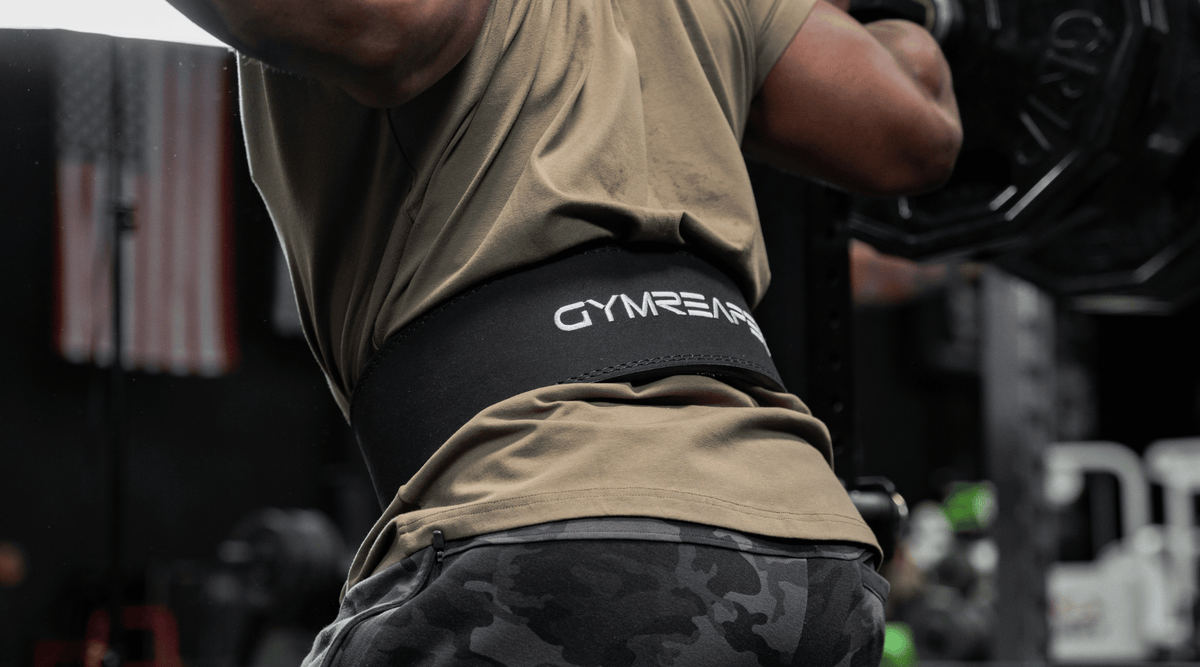
Credit: www.gymreapers.com
Common Mistakes With Belt Tightness
Getting the right tightness on your lifting belt is more than just a comfort issue—it directly impacts your performance and safety. Many lifters make common mistakes by either leaving the belt too loose or tightening it excessively. Both extremes can hold you back or even lead to injury.
Too Loose Risks
A belt that’s too loose won’t provide the support your core needs during heavy lifts. You might think a looser belt feels more comfortable, but it often fails to stabilize your spine effectively.
This lack of stability can increase the risk of lower back strain or injury. Plus, you may notice your form breaking down sooner, which defeats the purpose of wearing a belt in the first place. Have you ever felt your belt slipping or sliding mid-lift? That’s a clear sign it’s too loose.
Overly Tight Issues
On the flip side, tightening your belt too much can cut off your breathing and reduce your range of motion. When you can’t breathe deeply, your intra-abdominal pressure doesn’t build up properly, which is essential for safe and strong lifts.
Excessive tightness can also cause discomfort and distract you during your workout. Instead of focusing on your lift, you’re focusing on the belt digging into your ribs or abdomen. Have you ever felt like your belt is squeezing the life out of you? That’s your body telling you to loosen up a bit.
Belt Tightness For Different Lifts
Choosing the right belt tightness varies by the type of lift. Each lift demands different support and core stability. Adjusting your belt tightness helps protect your back and improve performance.
Finding the balance between too tight and too loose is key. Too tight can restrict breathing and movement. Too loose offers little support and may cause injury.
Squats
For squats, the belt should be snug but allow deep breaths. Tight enough to support your core, loose enough to avoid discomfort. This helps keep your spine stable during the movement. You should feel firm pressure around your waist without pain.
Deadlifts
Deadlifts need a tighter belt than squats. The belt should lock your core firmly to handle heavy loads. It should not stop you from taking a full breath. The belt supports your lower back and prevents injury. A tight, secure fit is important here.
Overhead Press
The overhead press requires moderate tightness. The belt should provide core stability without limiting your upper body movement. It should allow easy breathing while supporting your lower back. Avoid tightening too much to keep good posture and control.
Material And Design Influence
The material and design of a lifting belt impact how tight it should be worn. Each type offers different support levels and comfort. The right fit depends on the belt’s build and the lifter’s needs. Understanding these factors helps maintain safety and maximize performance.
Leather Vs Nylon
Leather belts are stiff and offer strong support. They mold to the body over time. These belts need to be tighter to provide firm stability. Nylon belts are more flexible and softer. They allow more movement and feel comfortable. Nylon belts can be worn a bit looser but still offer good support.
Belt Width And Thickness
Wider belts give more coverage and hold the core better. Most belts are 4 inches wide, ideal for many lifters. Thicker belts are firmer and resist stretching during heavy lifts. Thin belts feel lighter but may provide less support. The choice affects how tight the belt should be wrapped around the waist.
When To Use A Belt
Knowing when to wear a lifting belt can boost your training safety and results. A belt supports your lower back and core during intense lifts. Using it at the right times helps prevent injury and improves performance. Wearing a belt too often or without need can weaken your natural strength. Understanding the best moments to use a belt keeps your progress steady and safe.
Heavy Lifting Thresholds
A lifting belt is most helpful during very heavy lifts. This usually means lifting weights above 80% of your one-rep max. At this weight, your core needs extra support to keep your spine stable. For exercises like squats, deadlifts, and overhead presses, a belt can reduce stress on your lower back. Below this heavy threshold, your body can often handle the load without a belt.
Training Vs Competition
Training with a belt helps prepare your body for heavy lifts safely. Use it during your hardest sets or when pushing close to your limits. In competition, a belt provides maximum support for peak performance. Some lifters choose to train without a belt to build core strength but wear it on competition day. Others prefer consistent belt use to protect their back during every heavy lift. Decide based on your goals and how your body feels.

Credit: gunsmithfitness.com
Maintaining Belt Longevity
Your lifting belt is an investment in your strength and safety. To get the most out of it, you need to care for it properly. Maintaining belt longevity is about more than just using it right during workouts; how you store and clean your belt plays a huge role in how long it lasts.
Proper Storage
Where and how you keep your belt matters. Avoid leaving it folded tightly or crumpled in your gym bag. This can create permanent creases and weaken the material over time.
Instead, hang your belt on a hook or lay it flat in a dry place. A cool, dry environment prevents the leather or synthetic material from cracking or getting moldy. Do you keep your belt in a spot that lets it breathe?
Cleaning Tips
After a sweaty session, your belt can collect sweat and dirt. Wiping it down with a damp cloth is a simple step that helps maintain its condition. Avoid soaking it or using harsh chemicals, as these can damage the material.
For leather belts, a light application of leather conditioner every few months keeps the material supple and prevents cracking. If you have a synthetic belt, a mild soap solution works best. Are you making cleaning your belt part of your post-workout routine?

Credit: www.gymreapers.com
Frequently Asked Questions
How Tight Should A Lifting Belt Be?
A lifting belt should be snug but not overly tight. It must support your core without restricting breathing or movement. Tighten it enough to feel firm pressure around your waist, but ensure you can still breathe comfortably during lifts.
Can A Lifting Belt Be Too Tight?
Yes, a lifting belt can be too tight. Over-tightening restricts breathing and may reduce core stability. It can also cause discomfort and hinder your lifting technique, increasing injury risk. Aim for firm support without excessive compression.
Does Belt Tightness Affect Lifting Performance?
Proper belt tightness improves lifting stability and power. A well-fitted belt helps increase intra-abdominal pressure, supporting your spine. Too loose offers no support; too tight limits movement. Adjust tightness for optimal performance and safety.
When Should I Adjust My Lifting Belt Tightness?
Adjust your belt tightness before each set or exercise. Changes in posture, breathing, or fatigue may require slight adjustments. Always ensure comfort, support, and unrestricted breathing to maximize effectiveness and prevent injury.
Conclusion
A lifting belt should feel snug but not too tight. It must support your lower back without causing pain. Tighten it enough to help brace your core. Avoid making it so tight that you can’t breathe well. Test it by doing a few lifts and adjust as needed.
Comfort and safety come first in every workout. Find the right balance to protect your body. This simple step can improve your lifting form and reduce injury risk. Keep practicing to understand what works best for you.