
Do you want to build a strong, defined top chest that turns heads and boosts your confidence? Focusing on the upper part of your chest can give you that powerful, balanced look many strive for but few achieve.
The good news is, with the right exercises and techniques, you can target this area effectively and see real results. Keep reading, because we’re going to break down exactly how you can sculpt your top chest and take your physique to the next level.
Chest Anatomy Basics
Understanding the basics of chest anatomy is crucial if you’re aiming to build a strong and aesthetically pleasing upper body. The chest, primarily made up of the pectoral muscles, plays a significant role in various movements and stability. These muscles not only contribute to your overall physique but also support your upper body in exercises and daily activities.
Upper Chest Muscle Function
The upper chest, known as the clavicular head of the pectoralis major, is responsible for a variety of essential functions. It helps in lifting your arms up and across your body. This muscle group also plays a vital role in pushing movements, which are common in exercises like bench presses and push-ups.
Proper engagement of the upper chest muscles can dramatically improve your strength and upper body aesthetics. Consider how often you perform overhead or pushing motions in both workouts and daily tasks. Ensuring these muscles are strong and well-developed can lead to better performance and reduced risk of injury.
Importance Of Targeting The Upper Chest
Targeting the upper chest is crucial for achieving a balanced and proportional look. Many people focus heavily on the middle and lower chest, often neglecting this area. This can lead to an imbalanced appearance, with a dominant lower chest and a less defined upper chest.
By incorporating exercises that specifically target the upper chest, you ensure a well-rounded muscle development. Consider exercises like incline bench presses or incline dumbbell flys, which are effective in engaging the upper pectorals. Have you ever noticed that a well-developed upper chest gives a more defined and powerful appearance?
Engaging your upper chest effectively can also enhance your posture. A strong upper chest supports your shoulders and back, contributing to a more upright and confident stance. So, isn’t it time to give your upper chest the attention it deserves?

Credit: www.youtube.com
Key Exercises For Upper Chest
Building the top of the chest needs specific exercises. These moves target the upper chest muscles effectively. Focusing on the right exercises shapes and lifts the chest area.
Consistency and correct form are key. Using a variety of exercises helps develop strength and size in the upper chest.
Incline Barbell Press
The incline barbell press works the upper chest with heavy weight. Adjust the bench to a 30-45 degree angle. Press the barbell upward from your chest. This exercise builds strength and mass.
Incline Dumbbell Press
Incline dumbbell press allows a greater range of motion. It targets each side of the upper chest independently. Press the dumbbells up and slightly together. This improves muscle balance and definition.
Incline Cable Fly
Incline cable fly isolates the upper chest muscles. Set the cables low and bring handles up and together. Keep a slight bend in your elbows. It helps in shaping and cutting the chest.
Reverse-grip Bench Press
The reverse-grip bench press shifts focus to the upper chest. Use a lighter weight for safety. Grip the bar with palms facing up. Press the bar upwards to activate the top chest muscles.
Exercise Techniques For Growth
Building the top of your chest requires more than just lifting heavy weights. Precise exercise techniques stimulate muscle growth effectively. Focus on form, motion, tempo, and mental focus. These factors help target the upper chest muscles better. Proper execution reduces injury risk and improves results.
Proper Form And Range Of Motion
Maintain a slight incline on the bench to emphasize the upper chest. Keep your shoulders back and down throughout the movement. Lower the weight slowly to your upper chest area. Avoid bouncing or using momentum to lift the weight. Use a full range of motion by fully stretching and contracting the muscles.
Good form ensures the upper chest muscles work harder. Avoid flaring your elbows too wide. Keep them at about a 45-degree angle from your body. This position protects your shoulders and focuses effort on the chest.
Controlling Tempo And Mind-muscle Connection
Control the speed of each repetition. Lower the weight slowly for about 2 to 3 seconds. Pause briefly at the bottom before pressing up. This slow tempo increases muscle tension and growth.
Focus on the chest muscles during every rep. Imagine the fibers contracting and lengthening. This mind-muscle connection improves activation and efficiency. Avoid rushing through reps. Concentrate on feeling the upper chest work each time.
Training Tips For Maximum Results
Training your upper chest effectively requires more than just showing up at the gym. You need a clear plan that balances how often you train, how much work you do, and how you push your muscles to grow. Understanding these elements helps you avoid plateaus and maximize your gains.
Frequency And Volume
How often you train your upper chest matters a lot. Aim for 2 to 3 sessions per week to keep the muscles under consistent stimulus without overdoing it.
Volume refers to the total number of sets and reps you perform. A good target is around 12-16 sets per week focused on your upper chest, split across your sessions. Too little volume won’t challenge your muscles enough; too much can lead to burnout.
Progressive Overload Strategies
Progressive overload means gradually increasing the stress on your muscles to make them stronger. You can do this by adding weight, increasing reps, or improving form.
Try tracking your workouts to see if you’re lifting heavier or doing more reps over time. Even small increases, like adding 2.5 pounds or 1-2 extra reps, can lead to big changes in muscle growth.
Rest And Recovery
Rest is where your muscles actually grow. Without enough recovery, your efforts won’t translate into gains.
Give your upper chest at least 48 hours before training it again. Also, pay attention to sleep and nutrition—they’re key to repairing muscle and boosting your energy for the next workout.
Common Mistakes To Avoid
Building the top of the chest requires focused effort and smart training. Many people make mistakes that slow progress or cause imbalances. Avoiding these errors improves results and reduces injury risk.
Understanding common mistakes helps keep workouts effective and balanced. Watch out for these pitfalls to get the best from your chest exercises.
Overemphasizing Flat Presses
Flat presses work the chest but target the middle area more. Relying too much on flat bench press limits top chest development. The upper chest needs incline presses or similar movements.
Doing only flat presses makes the upper chest lag behind. This creates an uneven look and weakens overall chest strength. Include incline presses to hit the clavicular head of the pectoral muscle.
Neglecting Shoulder And Triceps Balance
Strong shoulders and triceps support chest presses and prevent injury. Ignoring these muscles can lead to joint pain or weaker lifts. Balanced training improves form and power.
Overworking chest without shoulder and triceps care causes muscle imbalances. Include shoulder presses and triceps extensions to keep muscles aligned. This balance helps the upper chest grow effectively.

Credit: www.youtube.com
Sample Workout Plan
A solid workout plan helps target the upper chest effectively. Focused exercises shape the top of your chest for a fuller look. This sample workout plan suits both beginners and advanced lifters. Follow the routines consistently for best results.
Beginner Routine
- Incline Dumbbell Press – 3 sets of 10 reps
- Incline Push-Ups – 3 sets of 12 reps
- Chest Flys on an Incline Bench – 3 sets of 10 reps
- Incline Cable Crossovers – 3 sets of 12 reps
- Rest 60 seconds between sets
Start with light weights to focus on form. Increase weight gradually as strength improves. Perform exercises twice a week for steady progress.
Advanced Routine
- Incline Barbell Bench Press – 4 sets of 8 reps
- Incline Dumbbell Press – 4 sets of 10 reps
- Incline Cable Flys – 4 sets of 12 reps
- Low to High Cable Crossovers – 4 sets of 12 reps
- Rest 45 seconds between sets
Use challenging weights while keeping proper form. Train your upper chest twice per week. Include warm-up sets before heavy lifts to avoid injury.
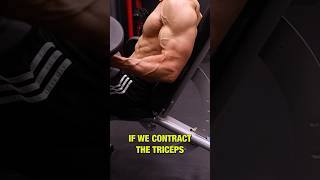
Credit: learn.athleanx.com
Frequently Asked Questions
How Can I Target The Top Of My Chest Effectively?
To target the top chest, focus on incline exercises like incline bench press and incline dumbbell flyes. These movements emphasize the clavicular head of the pectoralis major, promoting upper chest development and strength.
What Are The Best Exercises For Upper Chest Growth?
Incline bench press, incline dumbbell press, and incline cable flyes are top exercises. They specifically engage the upper chest muscles, helping create a fuller, more defined upper chest appearance.
How Often Should I Train My Upper Chest Muscles?
Train your upper chest 2-3 times per week with at least 48 hours rest. Consistent workouts with proper recovery optimize muscle growth and prevent overtraining.
Can Bodyweight Exercises Build The Upper Chest?
Yes, incline push-ups and pike push-ups target the upper chest. These exercises are effective for building strength and muscle without weights.
Conclusion
Building the top chest takes time and steady effort. Focus on exercises that target the upper chest muscles well. Keep your form right to avoid injuries. Rest and good nutrition help muscles grow strong. Track your progress to stay motivated and improve.
Stay patient—results come with consistent workouts. Your hard work will shape a stronger, fuller chest over time. Keep going and enjoy the journey.