
If you want to get the most out of your lifting belt, the first step is making sure it fits perfectly. A belt that’s too tight or too loose can do more harm than good.
You might be wondering, “How do I measure myself the right way? ” Don’t worry—this guide will walk you through simple steps to find the perfect size for your body. By the end, you’ll know exactly how to measure for your lifting belt, so you can lift with confidence and protect your back every time.
Keep reading, and you’ll never struggle with belt sizing again.
Choosing The Right Belt Type
Choosing the right lifting belt depends on accurate waist measurement. Measure around your waist where the belt will sit, usually above the hips. A proper fit ensures support and comfort during lifting sessions.
Choosing the right belt type is crucial for optimal lifting support. Different belts offer unique benefits and cater to various lifting styles. Understanding the distinctions helps in selecting the most suitable belt for your needs.Single Prong Vs Double Prong
Single prong belts are user-friendly. They offer quick adjustments and are easy to fasten. Ideal for those who prefer simplicity. Double prong belts provide extra security. They distribute pressure more evenly. Suitable for heavy lifting sessions.Lever Belts
Lever belts offer quick release and secure fastening. They are known for their ease of use. Adjusting lever belts can be tricky. Once set, they provide consistent support. Popular among powerlifters for their durability.Velcro Belts
Velcro belts are lightweight and flexible. They offer easy adjustments and are great for beginners. Less durable than other types. Ideal for lighter lifting sessions. Perfect for those seeking comfort and ease of use.Tools Needed For Accurate Measurement
Measuring for a lifting belt requires the right tools to ensure precision. Accurate measurement helps find the perfect fit, which supports your back safely during lifts. Using proper tools avoids mistakes and discomfort.
Simple tools can give you the most reliable results. Knowing which tools to use and how to handle them improves your measurement process.
Measuring Tape Tips
- Choose a flexible tape that wraps easily around your waist.
- Keep the tape snug but not tight to avoid errors.
- Measure at the level where the belt will sit, usually around the belly button.
- Stand straight and breathe normally during measurement.
- Take the measurement twice for accuracy.
Using Cloth Vs Metal Tape
Cloth tapes bend smoothly, matching your body shape. They provide more comfort when measuring curves.
Metal tapes stay straight and are often stiff. This can make wrapping around the waist tricky.
Cloth tapes often give more accurate waist measurements for lifting belts. Metal tapes suit flat or rigid surfaces better.
Locating The Measurement Point
Locating the right measurement point is key to choosing a lifting belt that fits well. A well-measured belt supports your core and improves lifting safety. Knowing exactly where to measure ensures comfort and effectiveness during workouts.
Finding Your Natural Waist
Your natural waist sits above your hips and below your rib cage. It is the narrowest part of your torso. To find it, bend sideways. The crease that forms marks your natural waist. This area is usually best for placing the lifting belt.
Measuring Around The Belly Button
Some lifters prefer measuring at the belly button level. This spot is easier to locate and measure consistently. Use a flexible tape measure and wrap it around your body at the belly button. Keep the tape snug but not tight. This gives a good size estimate for many lifting belts.
Considerations For Body Shape
Body shapes vary, so consider your build when measuring. If you have a longer torso, measure higher near the natural waist. For shorter torsos, the belly button area may fit better. Also, think about comfort while lifting. The belt should not dig into ribs or hips.

Credit: www.gymreapers.com
Taking Your Waist Measurement
Taking your waist measurement is the foundation for choosing the right lifting belt. It ensures the belt will provide the support you need without being too tight or too loose. A correct measurement saves you from discomfort and potential injury during heavy lifts.
How To Stand And Breathe
Stand up straight with your feet shoulder-width apart to get an accurate measurement. Avoid slouching or sucking in your stomach, as this can give a false reading. Take a natural breath in and let it out slowly before measuring; your waist size should reflect your relaxed state.
Try this: imagine you’re about to lift a heavy weight. How does your core feel? Measuring while relaxed but alert mimics the position you’ll be in when using the belt.
Ensuring A Snug But Comfortable Fit
Wrap the measuring tape around your waist where the belt will sit—usually just above your hip bones and below your ribs. The tape should be snug but not digging into your skin.
Think of the belt as a firm handshake, not a chokehold. You want support without restricting your breathing or movement.
- If the tape feels too loose, tighten it slightly and measure again.
- If it’s too tight, loosen it just enough to slide a finger underneath.
Remember, you’ll want the belt to feel secure during your heaviest lifts but still comfortable enough for warm-ups and lower-weight sets. Have you ever worn a belt that felt perfect at first but became uncomfortable mid-workout? Proper measuring helps avoid that.
Converting Measurements To Belt Size
Converting your waist measurement into the correct lifting belt size is a crucial step to ensure both comfort and safety during your workouts. It’s more than just matching numbers; you need to understand how different brands interpret sizes and when you might need to adjust your choice. Getting this right can prevent unnecessary discomfort and help you lift with confidence.
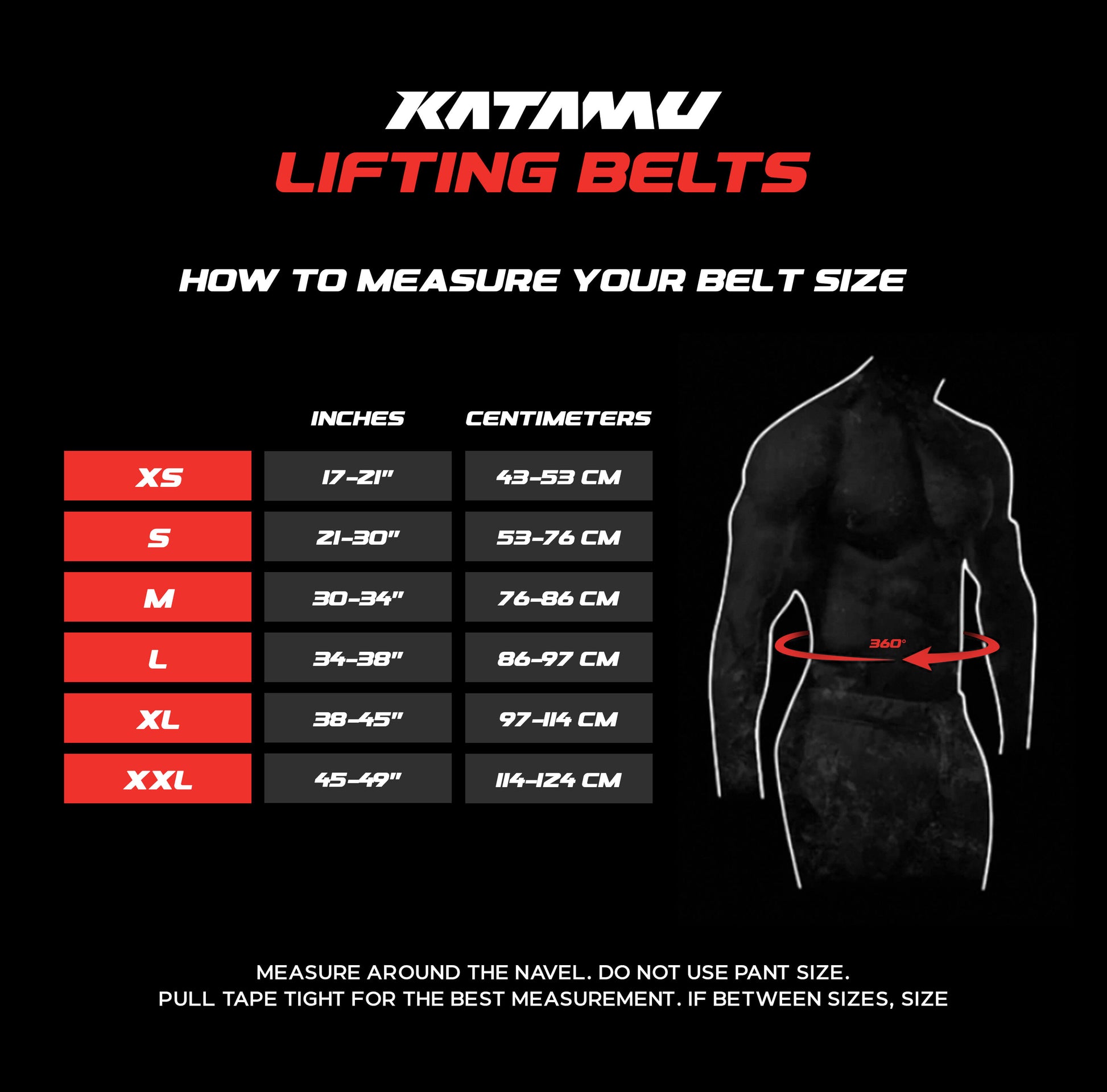
Using Manufacturer Size Charts
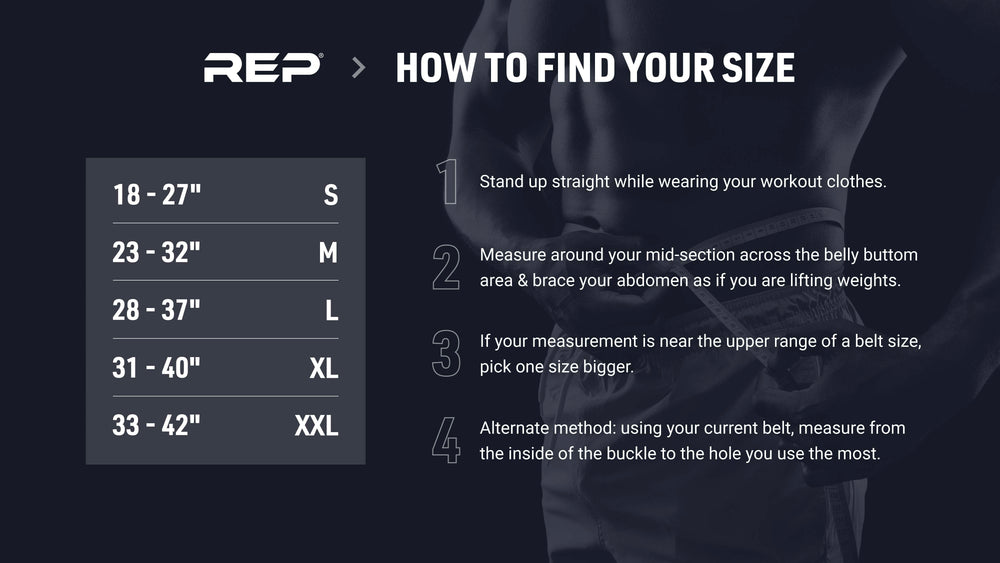
Each brand has its own sizing standards, so relying solely on your waist measurement can be misleading. Always check the manufacturer’s size chart before making a purchase. These charts often list waist ranges in inches or centimeters alongside belt sizes like Small, Medium, or Large.
For example, if your waist measures 34 inches, one brand might suggest a Medium, while another might recommend a Large. It’s helpful to print out or save these charts for quick reference when shopping. Look carefully at how the size ranges overlap, and choose the belt size that includes your exact measurement.
When To Size Up Or Down
Deciding whether to size up or down can depend on your personal preference and the type of lifting you do. If you prefer a tighter fit for maximum support, you might choose the smaller size within your measurement range. But if you want more flexibility or plan to wear the belt over thicker clothing, sizing up can be smarter.
Think about your training style: are you doing heavy squats that require firm support, or lighter lifts where comfort matters more? Also, remember that some belts stretch slightly over time, so a snug but not overly tight fit at first is often best. Have you noticed how a slightly bigger belt feels less restrictive during your warm-ups?
Credit: katamu.co
Trying On Your Belt
Trying on your lifting belt is a key step to ensure safety and comfort. It helps you find the right fit before heavy lifting. The belt should feel snug but not too tight. You want support without restricting your breathing or movement.
Take your time to wear the belt exactly as you would during lifts. Adjust it to sit at your waist, usually just above your hips. This position offers the best core support during lifts.
Checking For Proper Tightness
Fasten the belt and try to take a deep breath. The belt should tighten your core but still let you breathe. If you can slide your fingers easily between the belt and your body, it may be too loose.
Too tight means discomfort or difficulty breathing. Too loose means less support and higher injury risk. Aim for firm pressure that feels secure without pain.
Adjusting For Different Lifts
Some lifts need tighter belts, like squats or deadlifts. Others, like overhead presses, may need a bit looser fit. Adjust the buckle or holes to find the best balance for each lift.
Keep the belt in the same position on your waist. Change only the tightness to match your lift type. This way, you stay comfortable and supported throughout your workout.
Maintaining Your Lifting Belt
Maintaining your lifting belt ensures it stays strong and safe for every workout. Proper care helps the belt last longer and perform well. A clean and well-stored belt feels comfortable and supports your lifts perfectly.
Cleaning Tips
- Wipe the belt with a damp cloth after each use.
- Use mild soap and water for deeper cleaning.
- Do not soak the belt in water or use harsh chemicals.
- Allow the belt to air dry away from direct sunlight.
- Leather belts benefit from occasional leather conditioner to keep soft.
- Check for any damage or cracks during cleaning.
Storage Recommendations
- Store the belt in a cool, dry place to avoid moisture damage.
- Hang the belt or lay it flat to keep its shape.
- Avoid folding or bending the belt sharply.
- Keep the belt away from heat sources and sunlight.
- Store separately from heavy or sharp objects that may cause damage.
- Regularly inspect the belt before each workout.
Credit: ca.repfitness.com
Frequently Asked Questions
How Do I Measure My Waist For A Lifting Belt?
Use a flexible tape measure around your natural waistline. Measure where you wear your belt, usually above hips. Keep the tape snug but not tight for an accurate size. Note the measurement in inches or centimeters for belt sizing.
What Size Lifting Belt Should I Choose?
Choose a belt size 2-4 inches larger than your waist measurement. This allows room for comfort and adjustment during lifting. Check the brand’s sizing chart to find your perfect fit. Proper sizing ensures support and safety during heavy lifts.
Should I Measure For A Lifting Belt While Standing Or Sitting?
Measure your waist while standing upright and relaxed. Standing position reflects your natural waist size during lifting. Avoid measuring while sitting, as it can distort the measurement. Accurate sizing improves belt effectiveness and comfort.
Can I Use A Regular Tape Measure For Lifting Belt Measurement?
Yes, a regular flexible tape measure works best. It wraps easily around your waist and provides precise measurements. Avoid rigid rulers or metal tapes, which are less accurate for body measurements. Use the tape to get your exact waist size.
Conclusion
Measuring for a lifting belt is simple and important. Use a tape measure around your waist where the belt will sit. Choose a belt size that fits snugly but feels comfortable. A well-fitted belt supports your back and improves lifting safety.
Take your time to measure carefully and avoid guessing. The right fit helps you lift with confidence and reduces injury risk. Keep these tips in mind for your next workout. Good measurement leads to better support and better results.