
Are you struggling to build muscle despite your workouts? Protein supplements might be the missing piece in your fitness puzzle.
But how do you use them correctly to see real results? You’ll discover simple, practical steps to boost your muscle growth with protein supplements. By the end, you’ll know exactly when, how much, and what type of protein to take—so you can maximize your gains and feel stronger faster.
Keep reading to unlock the secret that many successful athletes already use.

Credit: www.gq.com
Benefits Of Protein Supplements
Protein supplements support muscle repair and growth after workouts. Consuming them at the right time helps increase strength and build lean muscle faster. They provide an easy way to meet daily protein needs for better results.
Protein supplements have become a staple for fitness enthusiasts looking to build muscle efficiently. They offer a range of benefits that can complement your workout routine and support your dietary needs. Whether you’re a seasoned athlete or just starting your fitness journey, understanding these benefits can help you make informed decisions about your nutrition strategy.Muscle Growth Support
Protein supplements are a powerful ally in muscle growth. Consuming the right amount of protein helps repair and build muscle tissues after workouts. Imagine hitting the gym hard and knowing your efforts are supported by a protein shake that fuels your muscles for optimal growth.Recovery Enhancement
Have you ever felt sore after a strenuous workout session? Protein supplements can speed up recovery by reducing muscle soreness and fatigue. This means you can hit the gym more frequently, maintaining your momentum and drive towards your fitness goals.Convenient Nutrition Source
Finding time to prepare nutritious meals can be challenging, especially with a busy schedule. Protein supplements provide a quick and easy way to meet your protein needs. They are portable, mix effortlessly with water or milk, and can be consumed on-the-go, ensuring you never miss your nutritional targets. Consider this: are you maximizing the potential of protein supplements in your muscle-building journey? By understanding their benefits, you can enhance your workout results and streamline your nutrition plan effectively.Types Of Protein Supplements
Choosing the right type of protein supplement can make a big difference in how effectively you build muscle. Each type offers unique benefits depending on your goals, digestion, and dietary preferences. Understanding these options helps you pick what fits best with your routine and body.
Whey Protein
Whey protein is one of the most popular supplements for muscle building. It digests quickly, delivering amino acids to your muscles fast, which is great right after a workout.
It’s rich in branched-chain amino acids (BCAAs), especially leucine, which plays a key role in muscle growth. If you want rapid recovery and quick muscle repair, whey could be your go-to.
Casein Protein
Casein digests slowly, providing a steady release of amino acids over several hours. This makes it ideal to take before bed, helping to reduce muscle breakdown during sleep.
If you’ve ever felt hungry or weak overnight after training hard, casein might help you maintain muscle by keeping your body fed for longer periods.
Plant-based Proteins
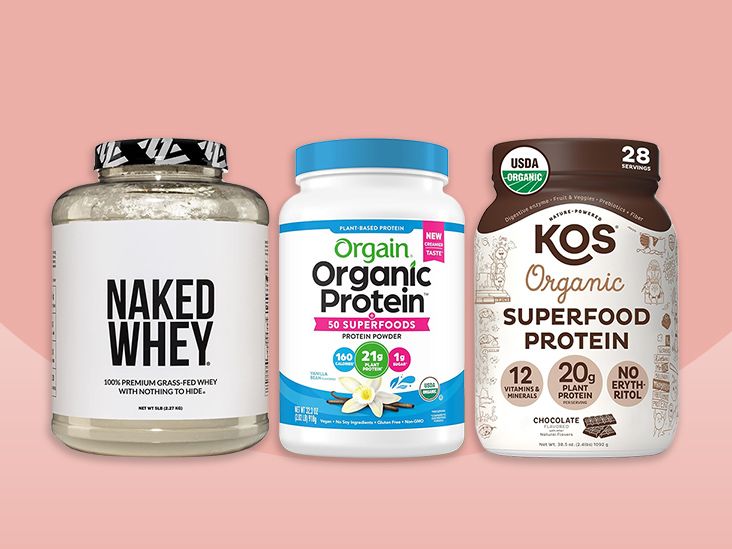
Plant-based proteins come from sources like pea, rice, and hemp. They’re a good option if you avoid dairy or want a cleaner, vegan-friendly choice.
While some plant proteins lack certain essential amino acids, combining different sources can give you a complete profile. Have you tried mixing pea and rice protein? It’s a powerful combo for muscle repair.
Protein Blends
Protein blends mix different types, like whey and casein or plant-based proteins together. This gives you both fast and slow digestion benefits in one scoop.
Blends can be convenient if you want muscle recovery throughout the day without taking multiple supplements. Think about your schedule—would having a blend simplify your nutrition?
Choosing The Right Protein
Choosing the right protein supplement can make a big difference in how effectively you build muscle. Not all proteins are created equal, and picking one that fits your needs helps you stay consistent and motivated. Let’s look at how you can find the perfect match for your fitness journey.
Assessing Your Fitness Goals
Are you aiming to bulk up quickly, or do you want to tone and maintain muscle? Your goals affect the type of protein you should choose.
If you want to gain muscle mass fast, look for supplements with a high protein content per serving, like whey isolate, which digests quickly and supports muscle repair.
For endurance or lean muscle maintenance, a blend of proteins including casein, which digests slowly, might work better to provide a steady supply of amino acids.
Dietary Restrictions And Allergies
Do you have any allergies or dietary preferences? This is crucial to avoid unwanted reactions and ensure you stick with your supplement.
For example, if you’re lactose intolerant, whey concentrate may cause discomfort. Instead, plant-based proteins like pea or rice protein can be gentler on your stomach.
Those with nut allergies should check labels carefully, as some protein powders contain added nuts or are processed in facilities that handle nuts.
Budget Considerations
Protein supplements can range from budget-friendly to premium prices. What’s your budget telling you about your options?
Bulk powders usually offer the best cost per serving, but smaller containers can be convenient for trying new types without commitment.
Think about your long-term plan: investing a bit more upfront in a high-quality protein might save you money and frustration by avoiding ineffective products.
Optimal Timing For Protein Intake
Timing your protein intake can significantly impact your muscle-building progress. Knowing when to consume protein supplements helps your body repair and grow muscle more efficiently. Let’s look at the key moments to fuel your muscles for the best results.
Pre-workout Consumption
Taking protein before your workout supplies your muscles with amino acids during exercise. This can reduce muscle breakdown and improve endurance. Try consuming a protein shake or snack about 30 to 60 minutes before you hit the gym.
Think about how you feel during workouts after skipping pre-workout nutrition. Do you notice more fatigue or soreness? A small protein boost beforehand might change that.
Post-workout Window
The period right after your workout is crucial for muscle recovery. Your muscles are primed to absorb nutrients and start repairing. Aim to consume protein within 30 to 60 minutes after training to maximize muscle protein synthesis.
A simple whey protein shake or a meal with lean protein can jumpstart the repair process. Missing this window might slow down your gains, so don’t let your muscles go hungry after hard work.
Protein Throughout The Day
Muscle growth isn’t just about one meal or shake; it’s about consistent protein supply. Spread your protein intake evenly across meals every 3 to 4 hours. This keeps your muscles fueled and ready to grow.
For example, if you need 120 grams of protein daily, divide it into 4 meals of 30 grams each. This steady approach supports continuous repair and growth, rather than overwhelming your body at once.
Proper Dosage And Serving Sizes
Getting the right amount of protein from supplements is crucial for building muscle effectively. Too little won’t support your growth, and too much can be wasteful or even strain your body. Understanding proper dosage and serving sizes helps you maximize gains without overdoing it.
Calculating Protein Needs
Your protein needs depend on your body weight, activity level, and muscle-building goals. A common guideline is 1.6 to 2.2 grams of protein per kilogram of body weight daily for muscle growth. For example, if you weigh 70 kg, aim for 112 to 154 grams of protein each day.
Think about how much protein you get from food first, then fill the gaps with supplements. If you’re unsure, tracking your intake for a few days can reveal where supplements fit best. Have you measured your daily protein intake yet?
Balancing With Whole Foods
Protein supplements are convenient, but whole foods provide other important nutrients your body needs. Relying solely on powders can leave you missing vitamins, minerals, and fiber. Try to get most of your protein from sources like chicken, fish, beans, and eggs.
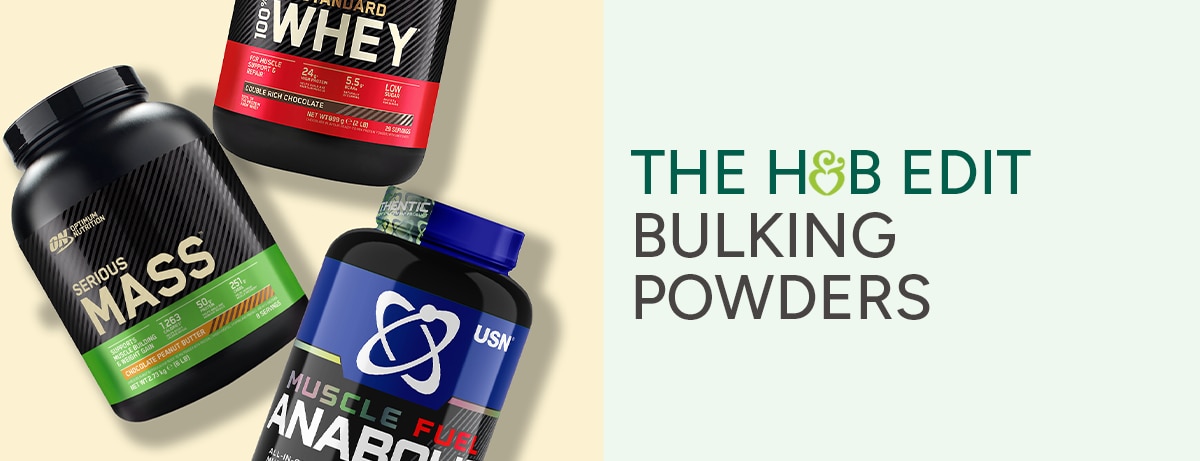
Use supplements to top off your daily protein target, especially after workouts or when you’re short on time. For instance, a 25-gram whey protein shake after training can jumpstart muscle recovery. How often do you find yourself needing a quick protein boost?
Credit: www.hollandandbarrett.com
Combining Protein With Training
Combining protein supplements with the right training routine is key to building muscle effectively. Protein provides the building blocks, but your workouts create the demand for muscle growth. Understanding how to align your protein intake with your training can speed up your progress and help you avoid wasted effort.
Strength Training Basics
Strength training is the foundation for muscle growth. It involves exercises like lifting weights, bodyweight moves, or resistance band workouts that challenge your muscles. You want to focus on compound movements such as squats, deadlifts, and bench presses because they engage multiple muscle groups at once.
These exercises create small tears in your muscle fibers, which then repair and grow stronger with enough protein and rest. Have you ever noticed how your muscles feel sore after a tough workout? That soreness is a sign your muscles are adapting and growing.
Progressive Overload
To keep building muscle, you need to increase the challenge over time—a concept called progressive overload. This means gradually lifting heavier weights, doing more reps, or increasing workout intensity. Without this steady increase, your muscles won’t get the signal to grow bigger.
Protein supplements work best when paired with progressive overload. After pushing your muscles harder than before, your body needs extra protein to repair and build new muscle tissue. Think about your protein shake as the fuel that powers your muscle’s recovery and growth after you’ve pushed your limits.
Rest And Recovery
Muscle growth doesn’t happen during workouts—it happens during rest. Giving your muscles time to recover is just as important as the training itself. Without enough rest, you risk injury and slow down your progress.
Protein intake after workouts supports recovery, but so does quality sleep and rest days. Have you ever tried pushing through fatigue and ended up weaker the next day? That’s a sign your muscles need more recovery time.
Balancing protein consumption, smart training, and proper rest creates a cycle that maximizes muscle growth. What small changes can you make in your routine today to better combine protein with your training?
Common Mistakes To Avoid
Using protein supplements can be a powerful tool for building muscle, but many people fall into common traps that limit their progress or even cause harm. Avoiding these mistakes can make a big difference in how effective your supplement routine is. Let’s look at some key pitfalls you should watch out for.
Overconsumption Risks
Taking too much protein won’t speed up muscle growth. Your body can only use a certain amount at a time, and excess protein often turns into fat or puts strain on your kidneys.
Have you ever felt bloated or sluggish after a protein shake? That could be a sign you’re overdoing it. Stick to recommended doses—usually around 20-30 grams per serving—and spread your intake throughout the day.
Neglecting Balanced Diet
Protein supplements are meant to add to your diet, not replace whole foods. Relying too much on shakes can leave you missing out on important vitamins, minerals, and fiber.
Think about your meals. Are you getting enough fruits, vegetables, and healthy fats alongside your protein? A balanced diet supports muscle recovery and overall health better than any supplement alone.
Ignoring Hydration
Protein metabolism requires water. If you’re not drinking enough fluids, you could feel tired and your muscles might cramp.
How much water do you drink daily? Aim for at least 8 glasses, and increase that if you’re sweating heavily during workouts. Proper hydration helps your body process protein efficiently and keeps your energy levels steady.
Enhancing Results With Supplements
Using protein supplements helps build muscle effectively. Adding other supplements can enhance those results. They support muscle recovery, boost strength, and improve endurance. Combining supplements smartly can help you reach goals faster. Understanding the role of each supplement is important for best effects.
Bcaas And Creatine
BCAAs, or branched-chain amino acids, help reduce muscle soreness. They support muscle repair after workouts. BCAAs also help prevent muscle breakdown during exercise. Creatine increases muscle strength and power. It helps muscles store more energy for intense training. Taking creatine regularly can improve workout performance and muscle growth.
Vitamins And Minerals
Vitamins and minerals are vital for muscle function and recovery. Vitamin D supports bone health and muscle strength. Magnesium helps muscles relax and contract properly. Zinc aids in protein synthesis and immune function. Eating a balanced diet with these nutrients supports muscle growth. Supplements can fill gaps if diet lacks essential vitamins.
Hydration Strategies
Staying hydrated is crucial for muscle performance. Water helps transport nutrients to muscles. It also removes waste products from the body. Drinking enough fluids prevents muscle cramps and fatigue. Electrolyte drinks can replace minerals lost through sweat. Proper hydration supports recovery and maintains workout intensity.
Credit: www.healthline.com
Frequently Asked Questions
What Is The Best Time To Take Protein Supplements?
The best time to take protein supplements is within 30 minutes after workouts. This helps muscle recovery and growth. Some also take protein in the morning or before bed to support muscle repair and maintain protein synthesis throughout the day.
How Much Protein Supplement Should I Consume Daily?
Most people need 20-40 grams of protein supplements per serving. Daily intake depends on your body weight and workout intensity. Generally, aim for 1. 2 to 2. 2 grams of protein per kilogram of body weight for muscle building.
Can Protein Supplements Replace Whole Food Protein?
Protein supplements are convenient but shouldn’t replace whole foods completely. Whole foods provide essential nutrients like vitamins and minerals. Use supplements to complement your diet, especially when you struggle to meet protein needs through food alone.
Are There Side Effects Of Taking Protein Supplements?
Protein supplements are safe when used properly. Excessive intake may cause digestive issues or kidney strain. Always follow recommended doses and consult a healthcare professional if you have pre-existing conditions.
Conclusion
Protein supplements support muscle growth when used right. Choose the supplement that fits your needs and lifestyle. Combine supplements with a good workout and balanced diet. Drink plenty of water to help your body use protein well. Track your progress to see what works best for you.
Stay consistent and patient; muscle growth takes time. Small steps lead to strong results. Keep learning and adjust your plan as needed. Your effort matters more than any quick fix.