Are you looking for a workout that burns calories fast and fits into your busy schedule? A HIIT workout might be exactly what you need.
Short for High-Intensity Interval Training, HIIT packs powerful exercise bursts with brief rest periods. This means you can get maximum results in less time. If you want to boost your energy, shed fat, and improve your fitness quickly, keep reading.
You’re about to discover what a HIIT workout is and why it could change the way you exercise forever.
Credit: medium.com
Basics Of Hiit
High-Intensity Interval Training (HIIT) is a popular workout style. It combines short bursts of intense exercise with brief recovery periods. This mix helps boost fitness and burn calories quickly. Understanding the basics of HIIT can help you get started safely and effectively.
Key Principles
- Short, intense exercise periods.
- Brief rest or low-intensity recovery phases.
- Focus on maximum effort during work intervals.
- Alternation between high and low intensity.
- Sessions usually last 15 to 30 minutes.
How It Works
HIIT pushes your heart rate up fast. This increases calorie burn during and after exercise. The body uses oxygen to recover during rest periods. Over time, this improves cardiovascular fitness and endurance. It also helps build muscle and reduce fat.
Types Of Intervals
- Tabata:20 seconds work, 10 seconds rest, repeated 8 times.
- 30/30:30 seconds intense work, 30 seconds rest.
- 1:2 Ratio:30 seconds work, 60 seconds rest.
- EMOM:Exercise at the start of every minute, rest for the remainder.
- Fartlek:Varying speed and intensity during running or cycling.
Credit: www.youtube.com
Benefits For Fat Loss
High-Intensity Interval Training (HIIT) workouts are a game-changer for anyone looking to shed extra pounds. These short, intense bursts of exercise not only save you time but also supercharge your fat loss journey. You might be surprised by how effective these workouts are in targeting stubborn fat, all while keeping your body in peak condition.
Boosting Metabolism
One of the standout benefits of HIIT is its ability to keep your metabolism revved up long after your workout ends. This phenomenon, known as the afterburn effect or EPOC (Excess Post-Exercise Oxygen Consumption), means you continue to burn calories for hours. Imagine burning more calories while you go about your day simply because you pushed hard for 20 minutes in the morning.
Burning Calories Efficiently
HIIT workouts are designed for maximum calorie burn in minimal time. During these intense sessions, your body taps into its energy reserves at a rapid pace. This efficient calorie-burning process is perfect for those who want quick results without spending hours in the gym.
Preserving Muscle Mass
Unlike some forms of cardio that can lead to muscle loss, HIIT helps preserve muscle while losing fat. This is crucial because muscle mass is essential for maintaining a high metabolic rate. Have you ever noticed how some people seem to eat more without gaining weight? More muscle could be their secret weapon.
Are you ready to give HIIT a try and see how it can transform your fat loss journey? Don’t just take my word for it; lace up your sneakers and experience the results firsthand. You’ll be amazed at how quickly these workouts can fit into your routine and deliver powerful benefits.
Popular Hiit Exercises
Popular HIIT exercises offer a wide variety of options that can suit your fitness level and preferences. These exercises focus on short bursts of intense effort followed by brief recovery periods. You can choose from bodyweight moves, cardio drills, or equipment-based workouts to keep your sessions fresh and challenging.
Bodyweight Moves
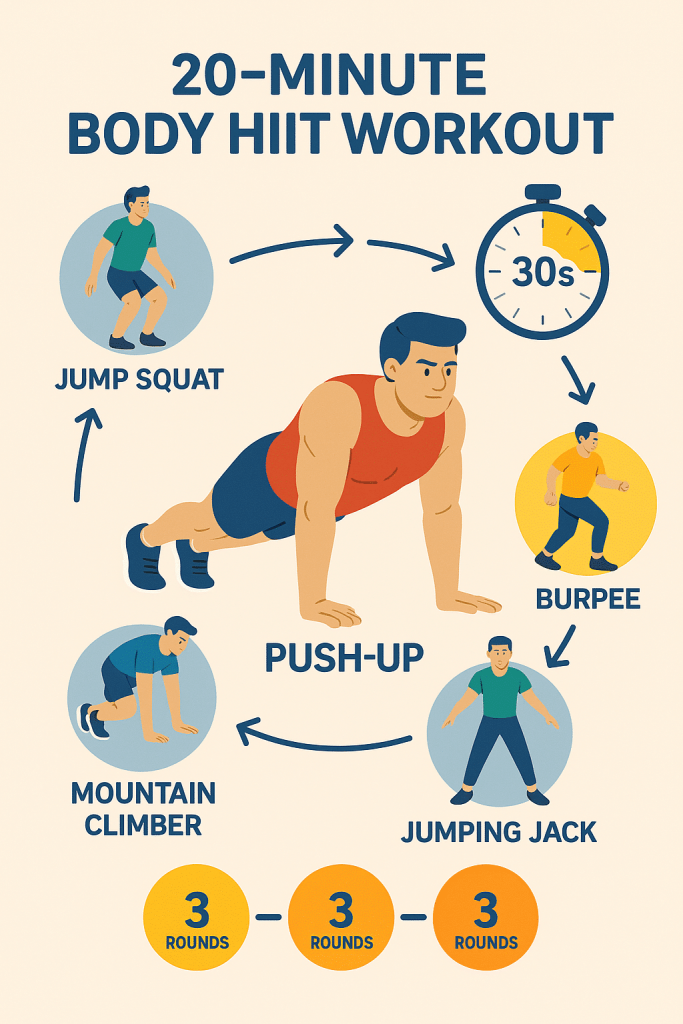
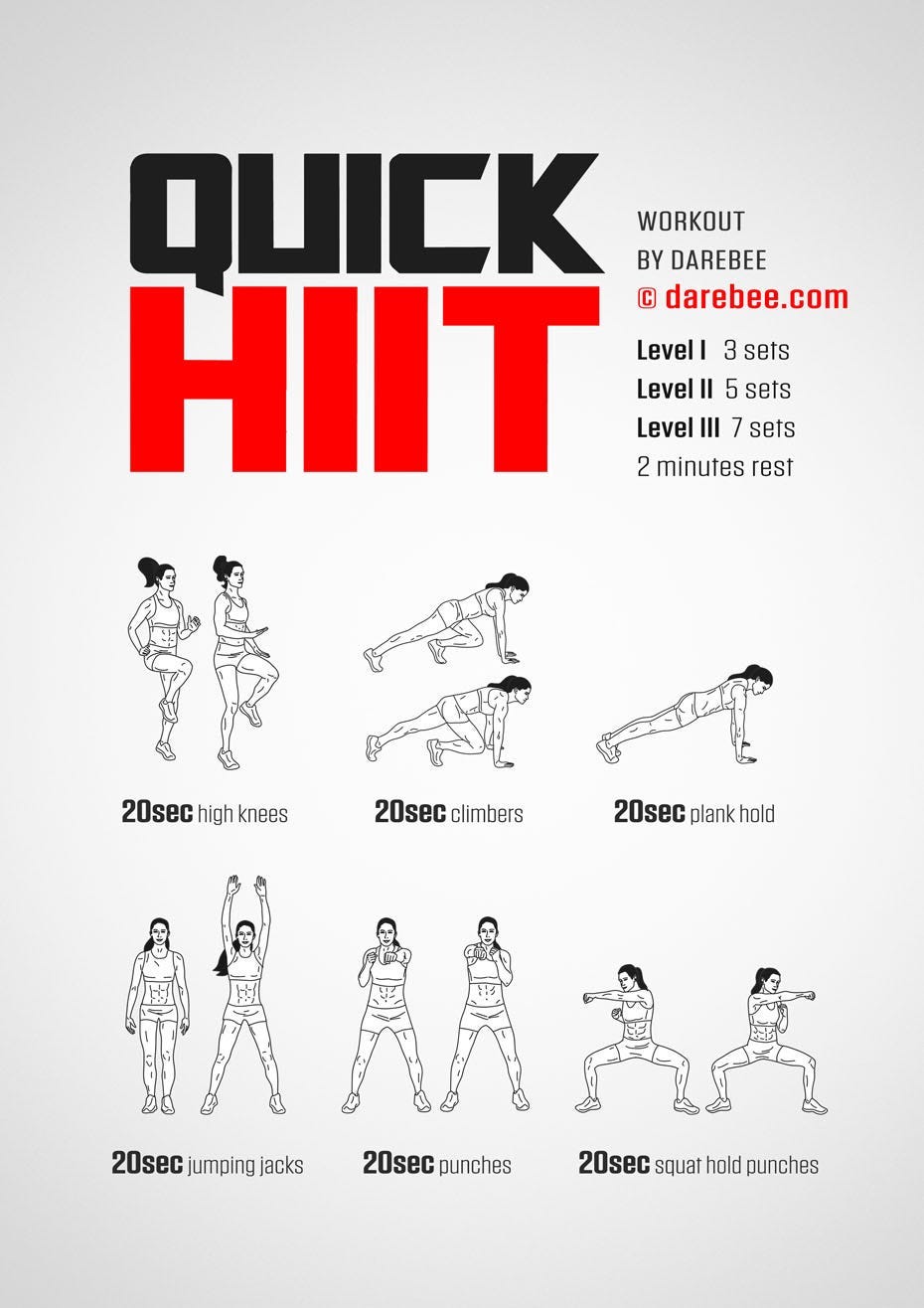
Bodyweight exercises are perfect for HIIT because they require no equipment and can be done anywhere. Moves like push-ups, squats, burpees, and mountain climbers push your muscles to work hard in short bursts.
When I started HIIT, doing bodyweight moves helped me build strength and endurance without needing a gym. Have you tried mixing different bodyweight exercises to keep your routine exciting?
Cardio-based Drills
Cardio drills focus on raising your heart rate quickly and maintaining it through intense intervals. Think sprinting, jumping jacks, high knees, or skipping rope.
These drills challenge your cardiovascular system and burn calories fast. You can easily adjust the intensity by speeding up or slowing down your pace. What’s your favorite cardio drill that gets your heart pumping?
Equipment Options
If you like variety, adding equipment can boost your HIIT workouts. Kettlebells, dumbbells, battle ropes, or jump ropes add resistance and extra challenge.
Using equipment can help target different muscle groups and increase workout intensity. Have you noticed how a kettlebell swing can completely change your workout’s difficulty?
Designing Your Hiit Routine
Designing your HIIT routine sets the foundation for success. It helps to structure workouts that fit your goals and body. Careful planning makes sessions effective and safe.
Choosing Intervals
Intervals are the heart of a HIIT workout. They include short bursts of intense exercise followed by rest or low activity. Common intervals range from 20 seconds of work to 10 seconds rest, or 30 seconds work to 30 seconds rest. Choose intervals that challenge your body but remain doable. Experiment with different times to find what feels best.
Balancing Intensity And Recovery
High intensity means pushing hard during work periods. Recovery lets your body catch up and prepare for the next burst. Balance these carefully to avoid burnout. Too little rest leads to fatigue; too much rest reduces workout benefits. A good rule is to keep your work phases intense and your rest enough to regain breath but not cool down completely.
Customizing For Fitness Levels
HIIT suits all fitness levels by adjusting intensity and intervals. Beginners start with lower intensity and longer rests. Advanced exercisers increase work time and reduce rest. Use exercises that match your strength and skill. Listen to your body and progress gradually. Customizing helps prevent injury and keeps workouts enjoyable.
Safety And Precautions
High-Intensity Interval Training (HIIT) is powerful and efficient, but it demands respect for your body’s limits. Ignoring safety and precautions can lead to injury or burnout, which defeats the purpose of your workout. Staying mindful about how you approach HIIT can keep you progressing without setbacks.
Avoiding Injury
Injuries happen when you push too hard too fast. Warm up properly with dynamic stretches and light cardio to prepare your muscles and joints. Use correct form during every exercise—bad technique can cause strains or sprains quickly.
Consider these safety tips:
- Start with beginner-level workouts before advancing intensity.
- Use controlled movements rather than rushing through reps.
- Wear supportive footwear and workout on appropriate surfaces.
Have you ever felt sharp pain during a workout? That’s a clear signal to stop and reassess.
Listening To Your Body
Your body sends signals constantly. Fatigue, dizziness, or joint pain are warnings to pause or modify your workout. Ignoring these signs risks injury and can lead to longer recovery times.
Pay attention to how you feel during and after HIIT sessions. If you notice persistent soreness or unusual discomfort, it might mean you’re overdoing it. Rest days and proper hydration are just as important as the workout itself.
When To Modify
Not every HIIT move suits everyone. If jumping or high-impact exercises cause discomfort, swap them for low-impact alternatives like cycling or swimming. Modifying intensity keeps you active and safe.
Here’s when to adjust your workout:
- If you have existing injuries or chronic pain.
- When you feel excessively breathless or dizzy.
- During illness or fatigue beyond normal workout tiredness.
Remember, modifying your workout isn’t quitting—it’s smart training to protect your body long-term.
Tracking Progress
Tracking your progress during HIIT workouts is essential to see real improvements and keep your routine effective. Without monitoring, it’s easy to plateau or lose sight of your goals. Paying attention to how you perform and feel over time helps you push harder and avoid injuries.
Measuring Performance
Keep track of key metrics like workout duration, number of intervals, and rest times. You can write these down in a journal or use fitness apps that log your stats automatically.
Notice how your heart rate responds during sessions. Are you recovering faster between intervals? That’s a clear sign your fitness is improving.
Try timing how long you can maintain high intensity. If you last longer today than last week, you’re making progress.
Adjusting Workouts
As your fitness grows, your workouts should too. If you find a session easier, it’s time to increase the intensity or add more intervals.
Don’t hesitate to tweak rest periods. Shortening rest challenges your endurance, while lengthening it can help you focus on power.
Mix up exercises to target different muscles and prevent boredom. This keeps your body guessing and your progress steady.
Staying Motivated
Tracking progress shows you how far you’ve come, which can be a huge motivation boost. Celebrate small wins like beating your previous best or sticking to your schedule.
Set clear, achievable goals that push you but feel doable. What’s one performance target you want to hit this week?
Share your progress with a workout buddy or online community. Their encouragement can keep you accountable on days you feel like giving up.
Combining Hiit With Nutrition
Combining HIIT with proper nutrition enhances workout results and overall health. Nutrition fuels the body to perform intense exercises effectively. It also helps the body recover and build strength after workouts. Balancing what you eat with your HIIT routine supports fat loss and muscle growth.
Fueling For Workouts
Eating the right foods before HIIT boosts energy levels. Choose carbohydrates like fruits, oats, or whole grains for quick energy. Include some protein to support muscle function. Avoid heavy meals that cause discomfort during exercise. Drink water to stay hydrated and maintain performance.
Post-workout Recovery
After HIIT, the body needs nutrients to repair muscles. Protein helps rebuild muscle fibers and reduce soreness. Carbohydrates replenish energy stores used during exercise. Eating within 30 to 60 minutes post-workout improves recovery. Hydrate well to replace fluids lost through sweat.
Supporting Fat Loss Goals
Nutrition plays a key role in losing fat with HIIT. A balanced diet with lean proteins, healthy fats, and whole foods supports metabolism. Control portion sizes to avoid overeating. Limit sugary and processed foods that add empty calories. Consistency in both diet and exercise yields the best fat loss results.

Credit: t-nax.com
Frequently Asked Questions
What Is A Hiit Workout?
HIIT stands for High-Intensity Interval Training. It alternates short bursts of intense exercise with rest. This method boosts metabolism and burns fat quickly. HIIT workouts are effective for improving cardiovascular health and endurance in less time.
How Long Does A Typical Hiit Session Last?
Most HIIT workouts last between 15 to 30 minutes. The short duration makes HIIT ideal for busy schedules. Despite being brief, it delivers significant fitness benefits through intense exercise intervals and recovery periods.
Can Beginners Do Hiit Workouts Safely?
Yes, beginners can do HIIT safely by starting with low intensity. It’s important to modify exercises and increase intensity gradually. Proper warm-up and cool-down reduce injury risk. Consulting a fitness professional before starting is recommended.
What Are The Main Benefits Of Hiit Training?
HIIT improves cardiovascular health, burns calories, and builds muscle efficiently. It boosts metabolism for hours after exercise. This training saves time and enhances endurance. It also helps reduce body fat and improve insulin sensitivity.
Conclusion
HIIT workouts offer quick and effective exercise for all fitness levels. Short bursts of intense activity help burn calories fast. You can do HIIT anywhere, with little or no equipment. It improves heart health, strength, and endurance in a short time.
Many enjoy its variety and challenge, keeping workouts fresh. Try adding HIIT to your routine for better results. Small changes lead to big fitness improvements over time. Give your body a boost with this simple workout style.