
Are you serious about building muscle and want to see faster, better results? Choosing the right supplements can make a huge difference in your progress.
But with so many options out there, it’s easy to feel overwhelmed and unsure about what actually works. This guide will help you cut through the noise and focus on the supplements that truly support muscle growth. Keep reading to discover what you need to take to boost your strength, recover faster, and get the gains you’ve been working hard for.
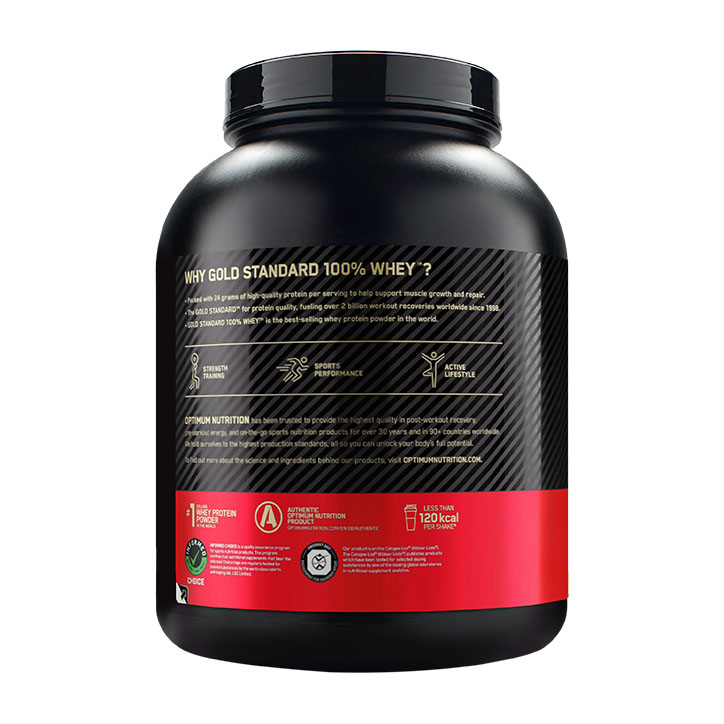
Credit: www.hollandandbarrett.com
Key Supplements For Muscle Growth
Protein powders, creatine, and branched-chain amino acids help support muscle repair and growth. Taking these supplements alongside a good diet and exercise can improve muscle gains effectively.
Building muscle is not just about lifting weights and eating chicken. Supplements can play a crucial role in maximizing your muscle growth. But with so many options out there, which ones really work? Below, we dive into some key supplements that can support your muscle-building journey.Protein Powders
Protein is the building block of muscle. After a workout, your muscles need protein to repair and grow. This is where protein powders come in handy. They provide a convenient and quick way to get your protein intake up. Whey protein is a popular choice due to its high biological value and fast absorption. However, if you’re lactose intolerant or prefer plant-based options, pea or soy protein can also be effective.Creatine
Creatine is one of the most researched supplements and has been shown to improve strength and muscle size. It works by increasing the availability of ATP, your muscle’s energy currency. This means you can lift heavier weights or push through more reps. Taking around 5 grams per day can make a noticeable difference. It’s an easy addition to your routine that can help you achieve your goals faster.Branched-chain Amino Acids (bcaas)
BCAAs include leucine, isoleucine, and valine, which are essential for muscle growth. They help reduce muscle soreness and fatigue, allowing you to train harder. You can sip on BCAAs during your workouts to keep your muscles fueled. This can be especially beneficial if you’re training fasted or on a calorie deficit.Beta-alanine
Beta-Alanine helps buffer acid in muscles, reducing fatigue and enhancing performance in high-intensity exercises. If you’ve ever felt that burning sensation during a tough workout, beta-alanine might be the answer. Consistent use can help increase your workout capacity, leading to greater muscle gains over time. Consider adding it to your pre-workout regimen.Glutamine
Glutamine is the most abundant amino acid in your muscles. While it hasn’t been proven to significantly increase muscle mass, it plays a role in recovery and immune function. If you’re training intensely, glutamine can help you recover faster and keep your immune system strong. This means fewer missed workouts and more consistent progress. Incorporating the right supplements can give you an edge, but they are not a magic bullet. Your diet, training, and rest are equally important. Have you tried any of these supplements yet? How have they impacted your muscle growth journey?Choosing The Right Protein Powder
Choosing the right protein powder is key for muscle growth. Protein helps repair and build muscle fibers after workouts. Different types of protein powders suit different needs and diets. Understanding each type helps pick the best option for your goals.
Whey Protein
Whey protein is popular among athletes and gym-goers. It digests quickly, providing fast muscle nourishment. It contains all essential amino acids needed for muscle repair. Whey also boosts muscle recovery and supports strength gains. This protein suits post-workout use for quick results.
Casein Protein
Casein protein digests slowly, releasing amino acids over hours. It helps prevent muscle breakdown during long breaks from eating. Many take casein before sleep to support overnight recovery. It promotes steady muscle repair and growth. Casein is ideal if you want longer-lasting protein supply.
Plant-based Proteins
Plant-based proteins come from sources like peas, rice, and hemp. They suit those with dairy allergies or vegan diets. These proteins often combine multiple plants to get all amino acids. Plant proteins digest at moderate speeds, supporting muscle repair. They offer a natural, allergen-friendly alternative to animal proteins.
Benefits Of Creatine For Strength
Creatine is one of the most studied supplements for building muscle and strength. It naturally occurs in the body and helps supply energy to muscles during heavy lifting. Taking creatine supplements can increase strength, allowing longer and more intense workouts. This boost in strength supports muscle growth over time. Many athletes and fitness enthusiasts rely on creatine to improve performance and recovery.
How Creatine Works
Creatine stores energy in the form of phosphocreatine inside muscle cells. This energy helps produce ATP, the main fuel for muscle contractions. During high-intensity exercises, ATP depletes quickly. Creatine helps replenish ATP faster, so muscles can work harder for longer.
By increasing energy availability, creatine improves strength and power. This means you can lift heavier weights or do more repetitions. The extra workload leads to greater muscle growth over time.
Types Of Creatine Supplements
- Creatine Monohydrate:The most common and well-researched form. It is effective and affordable.
- Micronized Creatine:Smaller particles than monohydrate, which may dissolve better in water.
- Creatine Ethyl Ester:Claims better absorption but lacks strong evidence.
- Buffered Creatine:Designed to reduce stomach discomfort for some users.
- Creatine Hydrochloride:More soluble in water, may require smaller doses.
Dosage And Timing
A common dosage starts with a loading phase of 20 grams per day for 5–7 days. Then, a maintenance dose of 3–5 grams daily follows. The loading phase saturates muscles quickly, but it is optional.
Taking creatine after workouts can help with absorption. It mixes well with protein or carbohydrate drinks. Consistent daily intake is key for best results.
Role Of Bcaas In Muscle Recovery
Branched-Chain Amino Acids (BCAAs) play a significant role in muscle recovery after intense workouts. They help reduce muscle soreness and speed up repair by supporting protein synthesis. Understanding how BCAAs work can help you decide if and when to add them to your supplement routine.
Leucine, Isoleucine, And Valine Effects
BCAAs consist of three essential amino acids: leucine, isoleucine, and valine. Each one has a unique function in muscle recovery and growth.
- Leucine:Known as the primary trigger for muscle protein synthesis. It helps jumpstart the repair process and promotes muscle growth.
- Isoleucine:Supports energy production during exercise and aids in muscle repair afterward. It also helps regulate blood sugar levels, which can improve endurance.
- Valine:Assists with muscle metabolism and tissue repair. It also acts as an energy source during prolonged physical activity.
Many people overlook how these three work together. But balancing them correctly can make a real difference in how quickly you recover and how strong you feel after workouts.
When To Take Bcaas
Timing your BCAA intake can impact their effectiveness for muscle recovery. Taking them before or during workouts can help reduce fatigue and muscle breakdown.
Post-workout is another ideal time since your muscles are ready to absorb nutrients and start repair.
- Before or during exercise: Helps maintain energy and reduce muscle damage.
- Immediately after exercise: Supports muscle protein synthesis and speeds recovery.
- Between meals: Can prevent muscle breakdown during long periods without food.
Think about your workout schedule and how your body feels. Would sipping BCAAs during a tough session help you push harder or recover faster? Experiment with timing to find what works best for your routine.
Additional Supplements To Boost Gains
Building muscle requires more than just protein and workouts. Certain additional supplements can support endurance, recovery, and overall health. These help you push harder, recover faster, and stay consistent.
Choosing the right supplements can improve your training results and keep your body balanced. Here are some key options to consider.
Beta-alanine For Endurance
Beta-alanine helps reduce muscle fatigue during intense exercise. It increases carnosine levels in muscles, which buffers acid build-up. This delay in fatigue lets you perform more reps and longer sets.
It works well for high-intensity training and can improve overall workout endurance. Taking beta-alanine regularly can boost your ability to train harder.
Glutamine For Recovery
Glutamine is an amino acid that supports muscle recovery and immune function. It helps repair muscle tissue after workouts and reduces soreness. This allows faster recovery between sessions.
Glutamine also supports gut health, which is important for nutrient absorption. Supplementing with glutamine can keep your body strong and ready for the next workout.
Multivitamins And Fish Oil
Multivitamins fill nutritional gaps and ensure your body gets essential vitamins and minerals. They support energy production, immune health, and overall well-being. A good multivitamin helps maintain balance during intense training.
Fish oil provides omega-3 fatty acids that reduce inflammation and support heart health. These healthy fats aid joint health and muscle recovery. Including fish oil can help manage inflammation and improve muscle gains.
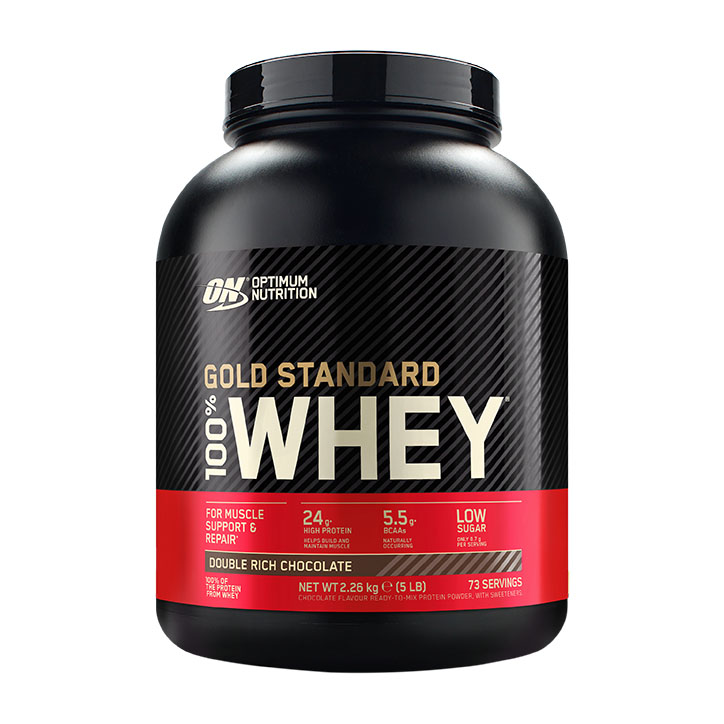
Credit: www.hollandandbarrett.com
Common Mistakes With Muscle Supplements
Many people make mistakes with muscle supplements that slow down their progress. These errors can waste money and time. Knowing what to avoid helps you get better results.
Overreliance On Supplements
Supplements are not magic pills. Some think taking many supplements alone builds muscle fast. This is not true. Supplements only support your efforts. Without hard work and good habits, supplements do little.
Muscle growth needs consistent training and proper nutrition. Relying too much on supplements can cause disappointment and poor results.
Ignoring Diet And Training
Supplements cannot replace a balanced diet. Many ignore food quality and quantity. Muscles need protein, carbs, and fats from real foods. Supplements fill small gaps, not major needs.
Skipping workouts or training poorly while taking supplements is common. Muscle supplements work best with regular strength training. Without exercise, supplements have little effect.
Incorrect Dosages
Taking too little or too much supplement is common. Too little does not help muscle growth. Too much can cause side effects and waste money.
Read labels carefully. Follow recommended dosages. Adjust based on your body weight and goals. Consulting a professional can help avoid mistakes.
Tips For Safe Supplement Use
Using supplements for muscle building can support your progress. Safety matters most to avoid health risks. Follow practical tips to make smart choices and protect your body.
Checking Quality And Purity
Choose supplements from trusted brands. Look for third-party testing seals on labels. These tests confirm product purity and ingredient accuracy. Avoid products with unclear or missing ingredient lists. High-quality supplements reduce the risk of harmful additives.
Consulting Health Professionals
Talk to a doctor or dietitian before starting supplements. They understand your health history and needs. Professionals can recommend safe doses and combinations. This step helps prevent unwanted interactions and side effects.
Monitoring Side Effects
Watch your body closely after taking new supplements. Note any unusual symptoms like stomach pain or headaches. Stop use immediately if serious effects occur. Keep a daily log to track changes and share with your healthcare provider.

Credit: www.amazon.com
Frequently Asked Questions
What Are The Best Supplements For Muscle Growth?
The best supplements for muscle growth include whey protein, creatine, BCAAs, and beta-alanine. These support muscle repair, strength, and endurance effectively.
How Does Whey Protein Help Build Muscle?
Whey protein provides essential amino acids quickly to muscles. It promotes faster recovery and stimulates muscle protein synthesis after workouts.
Can Creatine Improve Muscle Size And Strength?
Yes, creatine increases muscle energy production, allowing for longer, intense workouts. This enhances muscle size and strength over time.
Are Bcaas Necessary For Muscle Building?
BCAAs help reduce muscle soreness and boost recovery. They support muscle growth, especially when dietary protein intake is insufficient.
Conclusion
Choosing the right supplements can support muscle growth effectively. Protein powders help repair and build muscles after workouts. Creatine boosts strength and energy during exercise. BCAAs reduce muscle soreness and improve recovery time. Don’t forget vitamins and minerals for overall health.
Always combine supplements with a good diet and regular training. Supplements alone won’t build muscle without effort. Stay consistent, patient, and listen to your body’s needs. Small steps lead to big gains over time. Keep learning and adjusting your plan as you progress.