
Setting up a home gym can be a game-changer for your fitness journey. Imagine having the freedom to work out anytime, without waiting for machines or dealing with crowded spaces.
But what exactly do you need to create a space that motivates you and fits your goals? You’ll discover the essential equipment and smart tips to build a home gym that works for you. Whether you’re starting small or going all-in, this guide will help you make confident choices that keep you moving forward.
Ready to transform your space and boost your health? Let’s dive in.
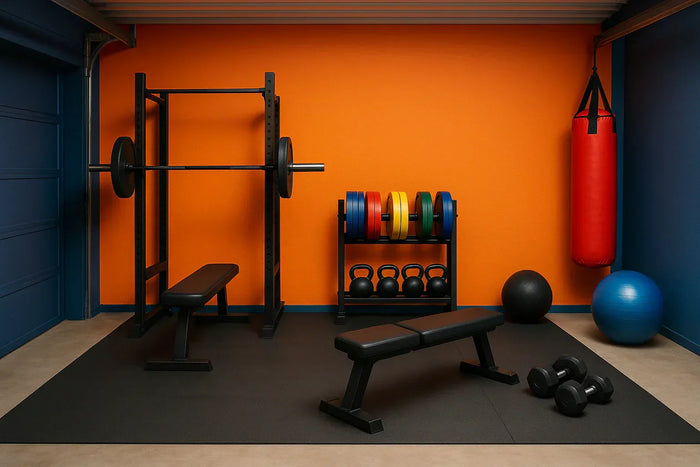
Credit: braingain.fit
Choosing The Right Space
Choosing the right space for your home gym is crucial to creating an environment that motivates you to work out consistently. The perfect spot should feel inviting and functional, making every workout session something you look forward to. Let’s break down what to consider so your gym setup fits seamlessly into your home and lifestyle.
Assessing Available Room
Start by measuring the space you have. Even a small corner can work if you choose compact equipment. Think about your workout style—do you need room to stretch, or will you mostly use weights and machines?
Look for a spot that’s easy to access and free from distractions. Maybe a spare bedroom, a section of the basement, or even a part of your living room could serve well. Have you checked if the space has enough clearance for your exercises?
Lighting And Ventilation
Good lighting can boost your mood and energy during workouts. Natural light is ideal, so a room with windows is a big plus. If that’s not possible, invest in bright, warm LED lights to keep the atmosphere lively.
Ventilation is just as important. Poor airflow can make your gym feel stuffy and uncomfortable, especially during intense sessions. Consider a fan, an air purifier, or opening windows to keep fresh air circulating. How does the air feel when you imagine working out there?
Flooring Options
The right flooring protects your joints and keeps your equipment stable. Rubber mats are popular because they absorb impact and reduce noise. They’re also easy to clean, which helps maintain a hygienic workout space.
If you’re using heavier machines, consider interlocking foam tiles or gym carpet for extra cushioning. Avoid slippery surfaces to prevent injuries. What kind of exercises will you do most, and how can your flooring support those movements?
Basic Equipment Essentials
Essential gear for a home gym includes a yoga mat, dumbbells, and resistance bands. These items offer flexibility for various workouts. A sturdy bench or stability ball also supports strength and balance exercises.
Setting up a home gym doesn’t have to be a daunting task. With a few basic equipment essentials, you can create an effective workout space tailored to your fitness goals. It’s all about choosing the right tools that offer versatility, ensuring you have everything you need to stay motivated and challenged.
Weights And Dumbbells
Weights and dumbbells are the backbone of any strength training routine. They allow you to target different muscle groups and adjust the intensity of your workouts. Consider starting with a set of adjustable dumbbells. They save space and let you increase the weight as you grow stronger. Think about what exercises you enjoy most, and choose weights that help you perform those effectively.
Resistance Bands
Resistance bands are perfect for building strength without heavy equipment. They’re lightweight, portable, and offer a variety of resistance levels. You can use them for everything from squats to shoulder presses. Bands are also ideal for stretching and improving flexibility. Imagine the convenience of taking your workout anywhere, even on vacation.
Yoga Mats And Stability Balls
A good yoga mat provides comfort and grip during floor exercises. Whether you’re stretching, doing yoga, or performing bodyweight exercises, a mat is essential. Stability balls add a fun challenge to your workouts. Use them to enhance core exercises or as a makeshift bench for weight lifting. Do you prefer a softer surface for your workouts? A yoga mat might be your best friend. With these essentials, your home gym can be both functional and inspiring. What will be your first workout in your personalized space?
Cardio Machines For Every Budget
Setting up a home gym requires cardio machines that fit your budget and space. Cardio equipment boosts heart health and burns calories fast. Some machines cost more but offer many features. Others are simple and affordable. You can choose devices based on your needs and budget.
Treadmills And Ellipticals
Treadmills and ellipticals are popular for home workouts. Treadmills let you walk, jog, or run indoors. Ellipticals offer low-impact movement, gentle on joints. Prices vary from budget models to advanced machines. Basic treadmills start around a few hundred dollars. High-end models include digital screens and preset workouts. Ellipticals also come in different price ranges. Both types save space with foldable options.
Stationary Bikes
Stationary bikes provide a seated cardio workout. Upright and recumbent styles suit different users. They are quieter than treadmills and use less floor space. Basic models are affordable and easy to use. Advanced bikes have adjustable resistance and digital tracking. Spin bikes offer intense workouts for fitness enthusiasts. Stationary bikes fit small rooms and busy schedules.
Jump Ropes And Step Platforms
Jump ropes and step platforms are budget-friendly cardio tools. Jump ropes improve coordination and burn calories fast. They need little space and cost very little. Step platforms help with aerobic and strength exercises. Adjustable heights allow workout variety. Both tools are portable and easy to store. Perfect for quick cardio sessions at home.
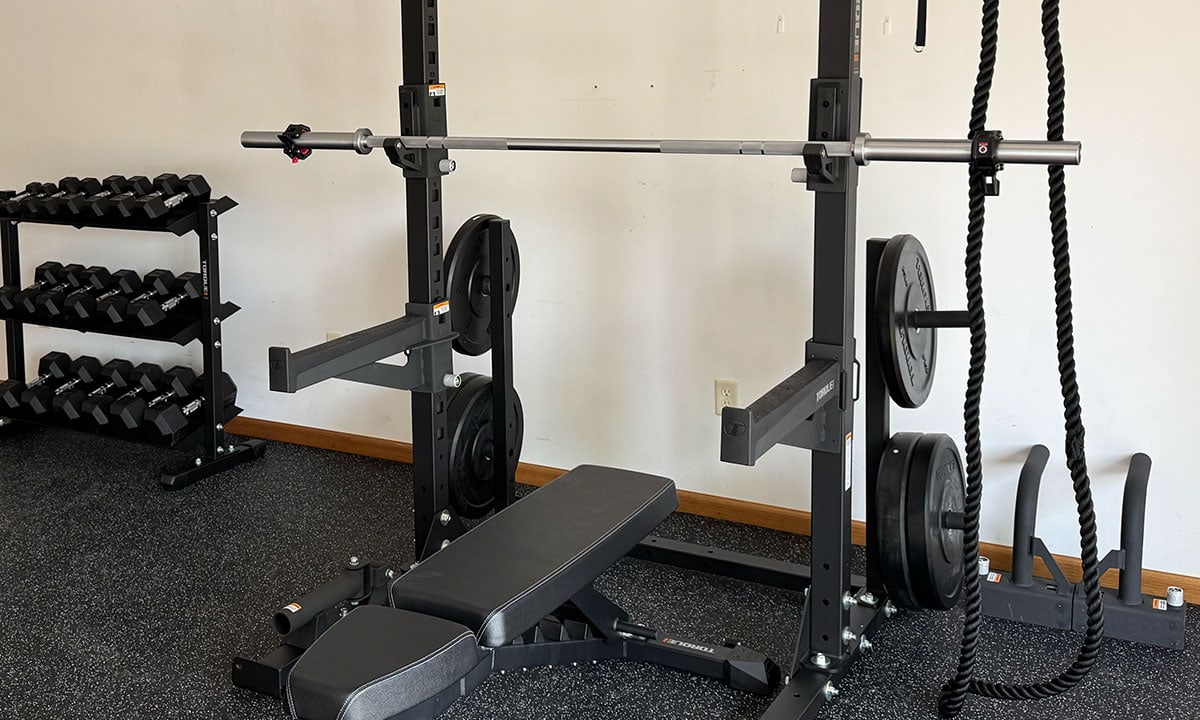
Credit: www.nourishmovelove.com
Strength Training Tools
Strength training tools are the backbone of any effective home gym setup. They help you build muscle, improve endurance, and maintain overall fitness without needing a gym membership. Choosing the right equipment depends on your space, budget, and workout goals.
Kettlebells And Barbells
Kettlebells are incredibly versatile for strength and cardio workouts. You can use them for swings, squats, and presses, which engage multiple muscle groups at once. Barbells, on the other hand, are essential if you want to lift heavier weights with exercises like deadlifts, bench presses, and squats.
Both tools allow you to increase weight gradually, making progress measurable. Have you considered which type fits your training style better? Kettlebells often take up less space and add a dynamic element, while barbells offer precise weight increments for serious strength gains.
Pull-up Bars And Dip Stations
Pull-up bars are a simple yet powerful addition to your home gym. They target your back, shoulders, and arms, and can be installed in doorways or mounted on walls. Dip stations complement pull-up bars by focusing on your chest, triceps, and shoulders, adding balance to your upper body workout.
These tools don’t require much space but deliver high-impact results. Can you imagine a workout routine that challenges your upper body without any machines? Pull-up bars and dip stations offer that challenge, helping you build functional strength at home.
Adjustable Benches
An adjustable bench opens up a world of workout options, from bench presses to step-ups and seated exercises. The ability to change angles makes it easier to target different muscle groups effectively. This flexibility makes your workouts more efficient and less repetitive.
Look for benches that are sturdy and easy to adjust. How much would a single piece of equipment that supports multiple exercises improve your training? An adjustable bench is often the answer, making it a smart investment for your home gym.
Tech And Accessories
Tech and accessories play a key role in making a home gym both effective and enjoyable. They help track progress, keep motivation high, and keep your space organized. Choosing the right gadgets and gear can improve workouts and save time.
Fitness Trackers And Apps
Fitness trackers monitor heart rate, steps, and calories burned. They provide real-time feedback for better workouts. Many apps offer workout plans, timers, and progress charts. Some apps sync with trackers for detailed reports. Choose devices and apps that match your fitness goals. Easy-to-use tools keep you focused and motivated.
Speakers And Headphones
Good sound makes workouts more fun. Wireless headphones offer freedom to move without cords. Noise-canceling features help block distractions. Quality speakers fill your gym space with clear, loud music. Pick devices with long battery life for longer sessions. Comfort and sound quality boost workout energy.
Storage Solutions
Keeping your gym neat helps you stay organized. Use shelves or racks for weights and equipment. Wall hooks save floor space for mats and bands. Bins and boxes keep small items tidy and easy to find. Clear labels speed up your workout setup. A clean space creates a better workout mood.

Credit: www.drewandjonathan.com
Safety And Maintenance
Safety and maintenance are key for a home gym. A safe gym keeps injuries away. Proper care of equipment extends its life. A clean and organized space helps workouts flow smoothly. Focus on setup, cleaning, and space to create a safe gym.
Proper Equipment Setup
Place equipment on flat, stable surfaces. Secure machines to avoid wobbling. Follow manufacturer instructions carefully. Check bolts and screws regularly. Use mats to protect floors and reduce slipping. Keep heavy items low to prevent tipping.
Cleaning And Care Tips
- Wipe down machines after each use to remove sweat.
- Use mild soap and water for regular cleaning.
- Check cables and pulleys for wear and tear.
- Lubricate moving parts as recommended.
- Inspect weights and bars for cracks or damage.
Space Organization
Arrange equipment to allow easy movement. Keep walkways clear to prevent trips. Store small items like bands and mats in bins or shelves. Use wall hooks for jump ropes or towels. Leave enough space for stretching and warm-ups.
Frequently Asked Questions
What Essential Equipment Is Needed For A Home Gym?
A basic home gym requires a yoga mat, dumbbells, resistance bands, and a stability ball. These tools cover strength, flexibility, and balance workouts effectively.
How Much Space Is Required For A Home Gym Setup?
A minimum of 30 to 50 square feet is ideal for a compact home gym. This space allows for movement and essential equipment placement comfortably.
What Flooring Is Best For A Home Gym?
Rubber flooring is best for home gyms. It provides cushioning, protects floors, and reduces noise during workouts.
How To Choose The Right Home Gym Equipment?
Choose equipment based on your fitness goals, space, and budget. Prioritize versatile, space-saving items for effective workouts.
Conclusion
Setting up a home gym takes some planning and the right gear. Start small with basic equipment that fits your space and budget. Choose items that help you enjoy your workouts and stay active. Remember, consistency matters more than fancy machines.
Creating a comfortable spot encourages regular exercise. Keep your goals clear and adjust your setup as you progress. A home gym can make fitness easier and more fun every day. Take the first step and build your space bit by bit.
Your health will thank you for it.