
If you want a stronger, more defined chest, you’re in the right place. Building your chest isn’t just about looking good—it boosts your overall strength and confidence.
But knowing where to start or how to get the best results can be confusing. This guide will show you simple, effective steps to build your chest muscles fast. By the end, you’ll have clear tips you can use right away to see real progress.
Ready to transform your chest and feel more powerful? Let’s dive in.

Credit: www.youtube.com
Anatomy Of The Chest Muscles
The chest muscles are key to upper body strength and appearance. Understanding their structure helps target workouts better. The chest has two main muscles with unique roles. Supporting muscles assist in movement and stability. Knowing these parts guides effective exercise choices.
Pectoralis Major
The pectoralis major is the largest chest muscle. It covers the upper chest and shapes the front of the body. It has two sections: clavicular (upper) and sternal (lower). The clavicular part lifts the arm, while the sternal part pulls it across the body. Both parts work together during pushing movements.
Pectoralis Minor
The pectoralis minor lies under the pectoralis major. It is smaller but important for shoulder movement. This muscle helps pull the shoulder blade forward and down. It stabilizes the shoulder during arm movements. Strengthening it improves posture and reduces injury risk.
Role Of Supporting Muscles
Supporting muscles work with the chest during exercises. These include the deltoids, biceps, and triceps. The deltoids assist in lifting the arms. The biceps and triceps help control arm movement. Strong supporting muscles improve chest workout performance and balance.
Essential Equipment
Building a strong chest requires more than just effort; the right equipment plays a crucial role in your progress. Having access to essential tools allows you to target different parts of your chest effectively and keep your workouts fresh and challenging. Let’s look at some key equipment that can help you shape your chest muscles efficiently.
Dumbbells And Barbells
Dumbbells and barbells are staples in chest training because they offer versatility and allow for natural movement. Dumbbells let you work each side independently, helping fix muscle imbalances and improve stability. Barbells enable you to lift heavier weights, which is great for building overall strength.
Consider mixing flat, incline, and decline presses with these weights to hit different angles of your chest. Have you noticed how switching from barbells to dumbbells can activate your muscles differently? That small change can lead to better muscle growth over time.
Bench Variations
A sturdy bench is essential, but the type of bench you use can change your workout entirely. Flat benches are great for overall chest development, but incline benches focus more on the upper chest, while decline benches target the lower chest. Using adjustable benches gives you the flexibility to target all these areas without needing multiple benches.
Think about your current routine—are you giving equal attention to all parts of your chest? Adding bench variations can help you build a more balanced and defined chest.
Resistance Bands And Cables
Resistance bands and cable machines add constant tension throughout your chest exercises, which can increase muscle activation. Bands are portable and inexpensive, making them perfect for home workouts or warm-ups. Cables offer smooth, controlled movements that allow you to work your chest through different angles.
Try incorporating band flyes or cable crossovers to finish your chest workout with focused muscle engagement. Have you tried these tools yet? They might be the missing piece to breaking through your chest-building plateau.
Effective Exercises
Building a strong and well-defined chest requires focused workouts. Effective exercises target different parts of the chest muscles. This helps create balance and strength. Variety also prevents workout boredom and plateaus. Here are some key exercises to include in your routine.
Bench Press Variations
The bench press is a classic chest exercise. It builds mass and strength. Use different bench angles to target chest areas:
- Flat bench press:Works the middle chest.
- Incline bench press:Focuses on upper chest.
- Decline bench press:Hits the lower chest.
Use barbells or dumbbells to vary the resistance. Controlled movements and proper form are essential.
Dumbbell Flyes
Dumbbell flyes stretch the chest muscles. They improve muscle shape and flexibility. Perform these on a flat or incline bench. Keep a slight bend in your elbows. Lower the weights slowly to feel the stretch. Then bring them back up without locking your arms.
Push-ups And Dips
Bodyweight exercises like push-ups and dips build chest strength and endurance. Push-ups target the entire chest. Change hand positions to stress different areas. Dips focus more on the lower chest and triceps. Use parallel bars or a sturdy surface. Keep your body straight and lower yourself with control.
Cable Crossovers
Cable crossovers provide constant tension on the chest. Adjust the pulleys high or low to hit various chest parts. Bring your hands together in front of your body. Squeeze your chest muscles at the end of the move. This exercise improves definition and muscle separation.
Workout Routines
Building a strong chest requires a clear workout plan. Different routines suit different experience levels. Choosing the right routine helps you gain strength and muscle safely. Each routine targets the chest muscles effectively.
Focus on form and consistency. Rest between workouts is important for muscle growth. Use proper weights that challenge you without causing injury. Here are workout routines for beginners, intermediate, and advanced lifters.
Beginner Routine
- Push-ups: 3 sets of 10-15 reps
- Flat bench press with light weights: 3 sets of 8-12 reps
- Dumbbell flyes: 3 sets of 10-12 reps
- Incline push-ups: 3 sets of 10 reps
- Rest 60-90 seconds between sets
This routine builds basic strength. It improves muscle endurance and form. Use light weights and focus on controlled movements.
Intermediate Routine
- Flat bench press: 4 sets of 8-10 reps
- Incline dumbbell press: 4 sets of 8-12 reps
- Cable crossovers: 3 sets of 12-15 reps
- Dips: 3 sets of 10-12 reps
- Rest 60 seconds between sets
This routine increases muscle size and strength. It challenges your chest muscles from different angles. Keep your form strict and control the weights.
Advanced Routine
- Barbell bench press: 5 sets of 6-8 reps
- Incline barbell press: 4 sets of 8 reps
- Weighted dips: 4 sets of 8-10 reps
- Cable flyes: 4 sets of 12-15 reps
- Push-ups to failure: 3 sets
- Rest 45-60 seconds between sets
This routine builds maximum muscle mass and definition. Use heavier weights safely. Push your limits while maintaining good technique.
Training Techniques
Training techniques play a crucial role in how effectively you build your chest. It’s not just about lifting heavy weights; it’s about how you challenge your muscles over time. Applying the right methods can help you break through plateaus and see consistent growth.
Progressive Overload
Progressive overload means gradually increasing the weight, reps, or sets you do over time. This forces your chest muscles to adapt and grow stronger. If you keep lifting the same weight with the same reps, your progress will stall.
Try adding small increments of weight each week or aim for an extra rep or two. Even increasing the number of sets can push your muscles harder. Ask yourself: are you challenging your chest enough to trigger growth?
Supersets And Drop Sets
Supersets involve doing two exercises back-to-back without rest, while drop sets mean reducing the weight immediately after failure to continue the set. Both techniques increase workout intensity and muscle fatigue.
For example, pair a bench press with push-ups as a superset to hit your chest differently. Or, after your last heavy set, drop the weight by 20-30% and push out more reps. These methods can shock your chest muscles and promote growth when used wisely.
Time Under Tension
Time under tension (TUT) refers to the total time your muscles are working during a set. Slowing down your reps increases TUT, making your chest muscles work harder even with lighter weights.
Try lowering the bar slowly over 3-4 seconds and then pressing up more explosively. This controlled pace enhances muscle fiber engagement and can improve muscle size. How long do you hold the tension on your chest during each rep?
Nutrition For Chest Growth
Nutrition plays a key role in building a strong, well-defined chest. Muscles need fuel to grow and recover after workouts. Eating the right foods supports muscle repair and size increase. This section explains how to eat for better chest growth.
Protein Intake
Protein is the building block of muscle tissue. Eating enough protein helps repair and build chest muscles after exercise. Aim for sources like chicken, fish, eggs, and beans. Spread protein intake evenly across meals for best results.
- Consume 1.2 to 2.0 grams of protein per kilogram of body weight daily.
- Include lean meats, dairy, and plant-based proteins.
- Use protein shakes if whole foods are insufficient.
Carbohydrates And Fats
Carbohydrates provide energy for intense chest workouts. Choose whole grains, fruits, and vegetables for lasting fuel. Healthy fats support hormone production, which affects muscle growth. Include sources like nuts, seeds, and olive oil.
- Carbs before training boost workout performance.
- Fats help maintain testosterone levels.
- A balanced diet with carbs and fats aids recovery.
Supplements For Muscle Growth
Supplements can help fill nutrition gaps and support chest growth. Whey protein is popular for quick muscle repair. Creatine improves strength and allows more intense workouts. Beta-alanine may reduce muscle fatigue during training.
- Use whey protein after workouts for faster recovery.
- Take creatine daily to increase muscle strength.
- Consider beta-alanine to improve exercise endurance.
Recovery And Rest
Recovery and rest are often overlooked parts of building a strong chest. Without proper downtime, your muscles can’t repair or grow. Let’s look at how you can optimize recovery to see real progress.
Importance Of Rest Days
Rest days give your chest muscles time to heal after intense workouts. Training every day without breaks can lead to fatigue and injury.
Try to schedule at least one or two rest days each week. Use these days to relax or do light activities like walking or yoga.
Have you noticed how your strength improves after a day off? That’s your muscles adapting and getting stronger.
Sleep And Muscle Recovery
Sleep is where most muscle repair happens. During deep sleep, your body releases growth hormones that help rebuild your chest muscles.
Aim for 7 to 9 hours of quality sleep each night. Avoid screens before bed and keep your room dark and cool to improve sleep quality.
Think about your best workouts—did they happen after a good night’s rest? If not, adjusting your sleep might be the missing piece.
Stretching And Flexibility
Stretching helps reduce muscle tightness and improves blood flow to your chest. This supports faster recovery and better range of motion during workouts.
Spend 5 to 10 minutes stretching your chest muscles after each session. Simple moves like doorway stretches or arm circles work well.
Have you tried adding stretches to your routine? You might find your chest feels less sore and your workouts become more effective.

Credit: www.youtube.com
Common Mistakes To Avoid
A strong chest requires more than just lifting weights. Many people make mistakes that slow progress or cause injuries. Avoiding these errors helps you build muscle safely and efficiently.
Overtraining
Training your chest too often can cause muscle fatigue. Muscles need time to recover and grow. Overtraining leads to soreness, weakness, and higher injury risk. Rest days are essential. Focus on quality over quantity during workouts.
Improper Form
Using wrong form reduces workout effectiveness. It can also strain joints and muscles. Keep your shoulders back and chest up. Move weights in a controlled way. Avoid bouncing or using momentum. Proper form targets chest muscles better and prevents injuries.
Neglecting Warm-ups
Skipping warm-ups increases injury risk. Warm muscles perform better and lift more weight. Simple stretches and light sets prepare your chest for heavy lifting. Spend 5-10 minutes warming up before starting your main workout.
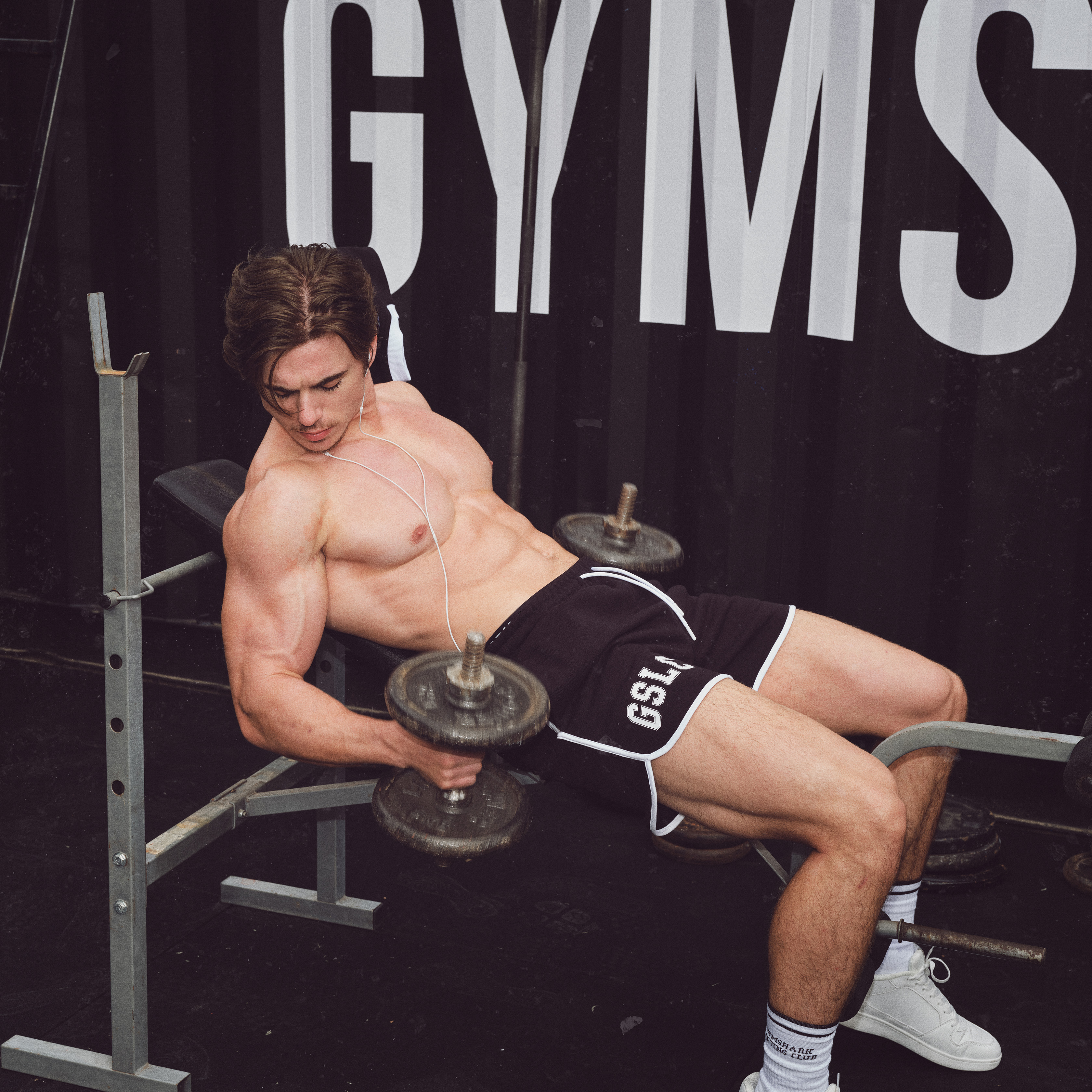
Credit: www.gymshark.com
Frequently Asked Questions
What Are The Best Exercises To Build Chest Muscles?
Push-ups, bench presses, and dumbbell flyes are top exercises. They target the pectoral muscles effectively for growth and strength.
How Often Should I Train My Chest For Best Results?
Train your chest 2 to 3 times per week. Allow 48 hours of rest between sessions for muscle recovery and growth.
Should I Focus On Heavy Weights Or High Reps?
Use a mix of heavy weights with low reps and lighter weights with high reps. This combination builds strength and muscle endurance.
Can Diet Impact Chest Muscle Growth?
Yes, a protein-rich diet supports muscle repair and growth. Include lean meats, eggs, and plant proteins for optimal results.
Conclusion
Building your chest takes time and effort. Focus on good form and steady progress. Use different exercises to work all chest muscles. Rest and eat well to help muscles grow. Stay patient and consistent with your workouts. Small steps lead to strong, healthy chest muscles.
Keep pushing yourself, but listen to your body. Your hard work will show over weeks and months. Enjoy the process and celebrate your progress.