
Have you ever wondered how to add variety to your fitness routine without breaking the bank or needing a ton of space? Resistance band training might just be your answer.
Imagine transforming your workouts with a tool that’s lightweight, versatile, and can be used anywhere—from your living room to the local park. This form of exercise is gaining popularity for a good reason: it’s effective and accessible for everyone, regardless of your fitness level.
Picture yourself stronger, more toned, and more flexible—all thanks to a simple elastic band. Ready to discover how resistance bands can revolutionize your fitness journey? Dive into the full article and unlock the secrets to maximizing your workouts.
Benefits Of Resistance Band Training
Resistance band training offers flexibility and portability, making it ideal for home workouts. It enhances muscle strength and tone without heavy equipment. Bands are versatile, suitable for all fitness levels, and aid in injury rehabilitation.
Resistance band training offers numerous advantages for fitness enthusiasts. These bands provide a versatile and effective workout solution. They are suitable for all fitness levels. Let’s explore some key benefits that make resistance band training a popular choice.
Enhanced Strength And Flexibility
Resistance bands improve both strength and flexibility. They engage multiple muscle groups in each movement. This leads to better overall muscle development. Bands allow you to adjust tension, making workouts progressive. This helps in gradually building muscle strength. They also enhance flexibility by stretching muscles and joints. This dual benefit is ideal for balanced fitness.
Joint-friendly Workouts
Resistance band exercises are gentle on joints. They offer smooth and controlled movements. This reduces the risk of injury. Unlike weights, bands don’t put excess strain on joints. This makes them perfect for people with joint concerns. They also aid in rehabilitation exercises. This ensures safety while improving strength and mobility.
Convenience And Portability
Resistance bands are lightweight and portable. You can carry them anywhere. This makes them ideal for home workouts or travel. No need for bulky equipment. You can perform a full-body workout with just a set of bands. Their compact size allows easy storage. This convenience encourages regular exercise.
Types Of Resistance Bands
Resistance band training is a versatile and effective way to build strength and improve fitness without the need for heavy weights or bulky equipment. Understanding the different types of resistance bands can help you tailor your workouts to suit your personal goals and preferences. Whether you’re a beginner or a seasoned athlete, there’s a band type that can enhance your routine. Let’s explore the various types of resistance bands available:
Loop Bands
Loop bands, often referred to as mini bands, are circular and come in various resistance levels. They’re perfect for adding intensity to lower body exercises like squats and leg lifts. The compact size makes them ideal for travel workouts. Ever tried doing lateral band walks? These bands make it easy and effective, helping target your glutes and hips.
Tube Bands
Tube bands are long, cylindrical bands with handles, offering a wide range of exercises for the upper and lower body. Their design allows for a comfortable grip, making them excellent for bicep curls and shoulder presses. Picture this: you’re in a park, using a tree as an anchor point for your tube band to perform rows. It’s a simple setup with impactful results.
Figure Eight Bands
Figure eight bands are shaped like the number eight and typically have soft handles. These bands are great for targeted exercises, such as chest flies and tricep extensions. Their unique shape provides a focused resistance, ideal for isolating specific muscle groups. Imagine doing chest presses with these bands—no clunky weights, just smooth resistance.
Therapy Bands
Therapy bands are flat and wide, often used in rehabilitation settings due to their gentle resistance levels. They are excellent for gradually building strength and flexibility, especially after an injury. Have you ever wondered how professional athletes recover? These bands are a staple in their rehab routines, aiding in safe and effective muscle recovery.
Choosing the right resistance band can transform your workout. Which type aligns with your fitness goals? Dive into the world of resistance band training and see how these simple tools can make a big impact.
Choosing The Right Resistance Band
Choosing the right resistance band can greatly impact your workout efficiency and results. With various options available, selecting the perfect band tailored to your fitness level and goals can be challenging. Dive into the details to make an informed choice that aligns with your workout aspirations.
Understanding Resistance Levels
Resistance bands come in different levels ranging from light to heavy resistance. The level you choose should depend on your current strength and the type of exercises you plan to do. If you’re just starting out, a light band can help you ease into resistance training without overwhelming your muscles. Conversely, a heavy band is great for those looking to intensify their workout.
Consider your muscle groups. A lighter band might be ideal for smaller muscle groups like shoulders, while a heavier band could be more suitable for larger muscle groups such as legs and back. Test different levels to find what challenges you without compromising form.
Material Considerations
Resistance bands are made from various materials, including latex, rubber, and fabric. Each material offers distinct benefits. Latex bands are flexible and provide smooth resistance, but may cause allergies in some users. Rubber bands are durable and can withstand intense workouts. Fabric bands offer comfort and are less likely to slip during exercises.
Think about your comfort and durability needs. If you’re allergic to latex, opt for rubber or fabric bands. If you need a band that withstands rigorous routines, rubber might be your best choice. Your material preference can enhance your workout experience and longevity of the bands.
Selecting Based On Workout Goals
Your fitness goals should guide your choice of resistance band. Are you focusing on building strength, improving flexibility, or toning muscles? Different bands cater to different objectives. For strength building, heavier bands are ideal. For flexibility and toning, lighter bands might be sufficient.
Reflect on your workout routine. A mix of bands can be beneficial for a versatile workout plan. For instance, a combination of light and heavy bands can help you target different muscle groups effectively. What specific goals are you aiming to achieve with resistance band training?
Taking the time to select the right resistance band can optimize your workouts and lead to better results. Experiment with different bands and levels to find what works best for you.

Credit: ru.pinterest.com
Basic Exercises With Resistance Bands
Resistance band training offers a simple yet effective workout. These bands add resistance to basic exercises, enhancing strength and flexibility. Ideal for home workouts, they suit all fitness levels.
Resistance band training has become a popular way to build strength and flexibility without the need for heavy equipment or gym memberships. These versatile bands can be used to perform a variety of exercises that target different muscle groups, making them an excellent tool for both beginners and seasoned fitness enthusiasts. Whether you want to tone your upper body, strengthen your lower body, or enhance your core, resistance bands offer a simple yet effective solution. Let’s explore some basic exercises you can try with resistance bands to boost your fitness routine.
Upper Body Workouts
Resistance bands can be a game changer for your upper body workouts. They are perfect for exercises like bicep curls, tricep extensions, and shoulder presses. Simply step on the band with one foot and pull upwards to work your biceps. For tricep extensions, hold the band behind your back and extend your arms upward. Shoulder presses can be done by placing the band under your feet and pushing the handles above your head. These exercises not only build strength but also improve muscle endurance.
Lower Body Workouts
Want to get stronger legs and glutes? Resistance bands can help. They provide excellent resistance for exercises such as squats, lunges, and leg lifts. Place the band under your feet and hold the handles while you squat down, feeling the extra resistance with each move. For lunges, step on the band with one foot and hold the handles while stepping forward into a lunge position. Leg lifts can be intensified by looping the band around your ankles, providing that extra challenge.
Core Strengthening Exercises
A strong core is crucial for overall fitness, and resistance bands are a fantastic tool for core exercises. Try using them for Russian twists, seated rows, or plank jacks. For Russian twists, sit on the ground with your legs slightly bent, hold the band with both hands, and twist your torso side to side. Seated rows can be done by wrapping the band around your feet and pulling the handles towards you. Plank jacks with a band add resistance to your core as you jump your feet out and in from a plank position. Resistance bands are not just about resistance; they also enhance stability and coordination. Which exercise will you try first to elevate your workout game?
Advanced Resistance Band Techniques
Resistance band training offers a versatile workout method. Advanced techniques target specific muscles, enhancing strength and flexibility. Ideal for home workouts or gym routines, resistance bands provide effective exercise options for all fitness levels.
Resistance band training isn’t just for beginners. Advanced techniques can push your workouts to a new level, enhancing strength and performance. By experimenting with different strategies, you can challenge your muscles in innovative ways and achieve your fitness goals faster. Let’s dive into some advanced resistance band techniques that will keep your workouts exciting and effective.
Progressive Overload Strategies
Progressive overload is key to building strength and muscle. With resistance bands, this means increasing the tension over time. You can do this by using thicker bands, which offer more resistance, or by stretching the band further to increase tension. Try adding extra reps or sets as your strength improves. Noticing a plateau? Adjust the band position or integrate pauses at the peak of your exercise to intensify the challenge.
Combining With Free Weights
Blending resistance bands with free weights can create a powerful synergy. This combo offers the stability challenge of weights with the variable resistance of bands. Imagine doing a squat with a dumbbell while a band is looped around your knees. It forces your muscles to engage differently throughout the movement. This mix can improve your balance, coordination, and strength. Do you want to push past your usual limits? Try adding bands to your bench press or deadlift. You’ll feel how they make each phase of the lift more demanding.
Incorporating Plyometric Exercises
Plyometric exercises focus on explosive movements. Adding resistance bands to these exercises can boost your power and speed. Picture yourself doing jump squats with a band around your thighs. The band adds resistance as you jump, making your muscles work harder. Try banded lateral shuffles or explosive push-ups for an extra challenge. These exercises enhance agility and muscle responsiveness. Are you up for an intense workout? Use bands during box jumps or burpees to elevate your routine to the next level. By integrating these advanced techniques, you can elevate your resistance band workouts beyond the basics. How will you challenge yourself today?

Credit: www.pinterest.com
Safety Tips And Precautions
Resistance band training requires careful attention to form and control. Always check bands for wear before use. Secure bands to avoid snapping and injury.
Resistance band training is a fantastic way to enhance strength and flexibility, but like any exercise routine, safety should be a top priority. By following a few simple precautions, you can maximize your workout benefits while minimizing the risk of injury. Whether you’re a beginner or a seasoned pro, these tips will help ensure a safe and effective training session.
Proper Form And Technique
Maintaining proper form is crucial when using resistance bands. Incorrect posture can lead to strains or ineffective workouts. Focus on controlled, steady movements and avoid sudden jerks. Take time to learn the correct techniques for each exercise. Consider watching tutorials or consulting a trainer to perfect your form. Listen to your body. If something feels off, it might be a sign to adjust your posture or the band tension.
Avoiding Common Injuries
Resistance bands can snap if overstretched, leading to potential injuries. Choose the right band strength that suits your fitness level and avoid pulling beyond the band’s capacity. Warm up before starting your session. A few minutes of light cardio can prepare your muscles for the resistance training ahead. Pay attention to any signs of discomfort. Stop immediately if you feel pain and consult a professional if necessary.
Band Maintenance And Care
Regularly inspect your bands for any tears or weak spots. A damaged band can break during workouts, posing a risk to your safety. Store your bands properly. Keep them out of direct sunlight and avoid exposure to extreme temperatures, which can degrade the material. Clean your bands after use. A quick wipe with a damp cloth can help maintain their elasticity and prolong their life. Have you ever thought about how a small habit change, like regularly checking your bands, could prevent an unexpected injury? Ensuring your equipment is in top condition is as important as perfecting your workout routine.
Integrating Resistance Bands Into Workout Routines
Resistance band training adds versatility to workouts, offering adjustable resistance for strength and flexibility. Lightweight and portable, bands suit all fitness levels, enhancing muscle engagement effectively.
Integrating resistance bands into workout routines offers a versatile and effective fitness approach. These bands are portable and cost-effective, making them ideal for home workouts. Their flexibility allows for strength training, stretching, and enhancing muscle endurance. Whether you are a beginner or an athlete, resistance bands can complement any fitness level.
Designing A Balanced Routine
Creating a balanced routine with resistance bands is essential. Start by identifying your fitness goals. Determine whether you aim for strength, flexibility, or muscle tone. Choose exercises that target different muscle groups. Incorporate exercises like squats, lunges, and rows for a comprehensive workout. Ensure a mix of upper and lower body exercises.
Combining With Other Training Methods
Resistance bands can be combined with other training methods. Pair them with weights to intensify your strength training. Use them during cardio sessions for added resistance. Integrate them into yoga or pilates to enhance flexibility. This combination increases workout efficiency and variety.
Tracking Progress And Adjustments
Tracking progress is vital for effective resistance band training. Record the number of repetitions and resistance level used. Adjust the band tension as you gain strength. Monitor your body’s response to different exercises. Regularly update your routine to avoid plateaus and maintain motivation.
Debunking Myths About Resistance Band Training
Resistance band training uses elastic bands to provide resistance during workouts. It builds strength, flexibility, and endurance efficiently. Common myths suggest bands are ineffective, yet they offer versatile and portable exercise options.
Resistance band training has gained popularity, but myths still linger. Many fitness enthusiasts question its effectiveness compared to traditional weights. Let’s dive into the myths and see the truth.
Comparing With Traditional Weights
Resistance bands are often seen as less effective than weights. This perception is misleading. Bands can provide a full range of motion. They offer varied resistance levels. This makes them suitable for all fitness levels. Unlike weights, they reduce the risk of injury. They engage stabilizing muscles effectively. Weights can sometimes limit flexibility. Bands encourage flexibility and balance. With bands, you can target muscles from different angles. This ensures comprehensive muscle engagement. They’re portable, making them perfect for travel workouts.
Addressing Misconceptions
Some believe bands can’t build muscle. This is untrue. Bands can increase muscle strength and endurance. Consistent use leads to muscle growth. Another myth is that bands are only for beginners. Advanced users also benefit from bands. People think bands wear out quickly. Quality bands are durable with proper care. Some assume bands are only for rehab. While great for rehab, they are also effective for regular training. Resistance band training is versatile and effective. It complements any workout routine.
Popular Workouts And Programs
Resistance band training offers a versatile workout option for building strength and flexibility. These bands enhance exercises by providing consistent tension, making them suitable for all fitness levels. Ideal for home workouts, they are portable and easy to use, allowing for a wide range of movements.
Resistance band training is gaining popularity due to its versatility and effectiveness. People use these bands for various workouts, offering flexibility and adaptability. With different programs available, everyone can find something that suits their fitness level and goals. Let’s explore some popular workouts and programs using resistance bands.
Hiit With Resistance Bands
High-Intensity Interval Training (HIIT) is a favorite for those seeking quick, impactful workouts. Resistance bands enhance these exercises by adding intensity. They are perfect for squats, lunges, and other dynamic movements. HIIT sessions with bands can burn calories efficiently while building muscle strength. This combination maximizes workout effectiveness in a short time.
Pilates And Yoga Integration
Resistance bands fit seamlessly into Pilates and yoga routines. They increase flexibility and strength while maintaining the low-impact nature of these practices. Bands offer support and challenge, making stretches deeper and poses more stable. Yoga enthusiasts can experience enhanced postures and greater balance. Pilates practitioners can target specific muscle groups with precision.
Celebrity-endorsed Programs
Many celebrities endorse resistance band workouts, boosting their popularity. These programs often feature routines designed by expert trainers. Celebrities share their fitness journeys, showcasing the benefits of band exercises. Their influence motivates fans to try these accessible workouts. Resistance bands become a staple in celebrity fitness regimens, inspiring others to join in.
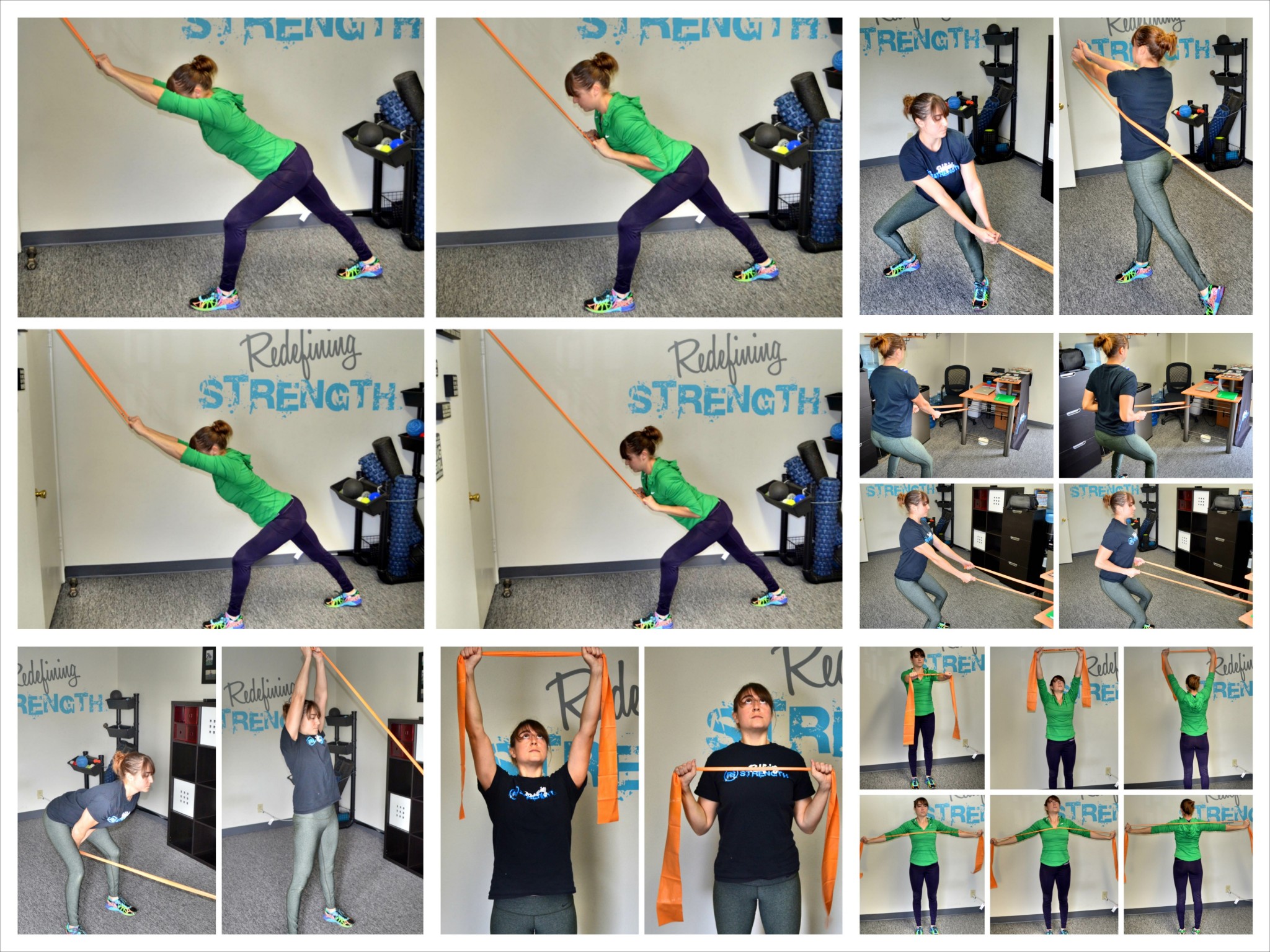
Credit: redefiningstrength.com
Frequently Asked Questions
What Does A Resistance Band Workout?
Resistance band workouts enhance strength, flexibility, and endurance. They target multiple muscle groups effectively. These portable bands offer versatile exercises for arms, legs, and core, improving overall fitness. Ideal for home workouts, they suit all fitness levels, providing resistance without heavy weights, promoting muscle growth and toning efficiently.
Do Resistance Band Exercises Actually Work?
Yes, resistance band exercises are effective for strength training. They improve muscle tone, flexibility, and endurance. Bands provide versatile and portable workout options, suitable for all fitness levels. Regular use can enhance overall physical performance and aid in injury prevention, making them a valuable addition to exercise routines.
Is Resistance Band Training The Same As Weights?
Resistance band training isn’t the same as weights. Bands offer variable resistance, while weights provide constant resistance. Both methods build strength but differ in technique and muscle engagement. Bands are portable and versatile. Weights offer consistent resistance and are great for building muscle mass.
What Are The Disadvantages Of Resistance Bands?
Resistance bands may snap or degrade over time. They offer limited resistance compared to weights. Users might struggle with maintaining consistent tension throughout exercises. Proper form is crucial to avoid injury. Not ideal for building significant muscle mass.
Conclusion
Resistance band training offers a versatile workout option. It suits all fitness levels. These bands are portable and affordable. Perfect for home or travel exercises. You can target various muscle groups effectively. They enhance strength, flexibility, and balance. Regular use promotes muscle tone and endurance.
Easy to incorporate into any routine. No need for bulky gym equipment. Ideal for busy lifestyles or limited space. Safe and gentle on joints. Explore the benefits of resistance bands today. Elevate your fitness journey with this simple tool. Enjoy a healthier, stronger you.