
Ever wonder why pull-up bars are a staple in every gym and a favorite among fitness enthusiasts? It’s because they are a powerhouse for your upper body workout.
If you’ve ever asked yourself, “What muscles do pull-up bars work? ” You’re in the right place. Understanding the muscle groups you engage during a pull-up can be a game-changer for your fitness routine. Imagine maximizing your workout efficiency and seeing results faster than ever.
That’s exactly what we’re going to explore here. So, if you’re ready to elevate your fitness game and harness the true potential of pull-up bars, keep reading. Your path to a stronger, more sculpted upper body begins now.
Primary Muscles Engaged
Pull-up bars primarily engage the latissimus dorsi, which are the large muscles in your back. They also work the biceps, shoulders, and core, providing a comprehensive upper body workout.
Understanding the primary muscles engaged during a pull-up can transform your workout routine. Pull-up bars are not just about pulling your body up; they are about engaging a symphony of muscles that work in harmony. Knowing which muscles are primarily activated can help you focus and improve your technique for better results.
Latissimus Dorsi
The latissimus dorsi, or “lats,” are the star performers in a pull-up. These large, wing-like muscles on your back are responsible for that broad, V-shaped torso many aspire to achieve. When you pull yourself up, your lats are doing the heavy lifting, bringing your elbows down and back. Feel the burn in your back as you complete each rep. The stronger your lats become, the easier pull-ups will feel. Consider adding some specific lat exercises, like dumbbell rows, to your routine to see improvement.
Biceps Brachii
Your biceps brachii are the muscles at the front of your upper arms, and they play a significant role in pull-ups. Every time you bend your arms to lift your body, your biceps are hard at work. They assist in pulling your body upwards and stabilize your movement. If you want to boost your pull-up count, focus on strengthening your biceps. Incorporate exercises like bicep curls to build the endurance needed for more reps.
Trapezius
The trapezius muscles, or “traps,” span your upper back and neck. These muscles help stabilize your shoulder blades during the pull-up motion. While not as obvious as the lats and biceps, strong traps are crucial for maintaining good form and preventing injury. If you find your shoulders tensing up during pull-ups, it might be time to focus on your traps. Strengthen them with exercises like shrugs and face pulls. Have you noticed how these muscles work together in your routine? Understanding the role of each can help you target weaknesses and improve your overall performance. Remember, it’s not just about pulling up; it’s about pulling together.
Secondary Muscles Involved
Pull-up bars offer an excellent workout for various muscles in your upper body. While the primary focus is on the back and biceps, several secondary muscles also engage during the exercise. These muscles support and stabilize the movement, contributing to overall strength and balance. Let’s explore the secondary muscles involved in pull-ups.
Pectoralis Major
The pectoralis major is a large chest muscle. During pull-ups, it helps stabilize your shoulders. This muscle plays a supportive role, especially in the upward motion. Strengthening the pectoralis major can improve your overall pull-up performance.
Deltoids
Your deltoids are shoulder muscles that aid in lifting your body. They assist in the movement and help maintain balance. Engaging your deltoids during pull-ups enhances shoulder strength and stability. This involvement is crucial for proper form.
Rhomboids
The rhomboids are muscles located between your shoulder blades. They contract to pull your shoulders back. This action is vital for maintaining posture during pull-ups. Strengthening your rhomboids can reduce the risk of shoulder strain.
Core Muscles Activation
Pull-up bars target multiple core muscles, enhancing strength and stability. They work the abs, obliques, and lower back. Engaging these muscles leads to improved posture and balance.
Core muscles are vital for maintaining balance and stability during pull-ups. Engaging your core not only supports your body weight but also enhances your overall strength and performance. Let’s dive into how different core muscles are activated during pull-ups.
Rectus Abdominis
The rectus abdominis, often referred to as the “six-pack” muscle, plays a crucial role in stabilizing your body. As you lift yourself on the pull-up bar, this muscle contracts to prevent your torso from swinging. This activation helps maintain proper form, ensuring you maximize the benefits of each pull-up.
Obliques
Your obliques, located on the sides of your abdomen, provide essential rotational stability. During pull-ups, they engage to keep your body aligned and prevent lateral movement. This activation is especially noticeable if you incorporate variations like side-to-side pull-ups.
Erector Spinae
The erector spinae muscles run along your spine and are key players in maintaining posture. When performing pull-ups, they work hard to keep your back straight and your spine supported. This engagement not only helps in executing pull-ups effectively but also contributes to a strong, healthy back. Have you noticed how a simple pull-up can turn into a comprehensive core workout? Give it a try and feel the difference in your core strength. How do you plan to incorporate this awareness into your next pull-up session?

Credit: ericflag.com
Grip Variations And Muscle Impact
Grip variations on pull-up bars change which muscles get a workout. Each grip targets different muscles, enhancing your strength training. Knowing the muscle impact of each grip helps optimize your exercise routine.
Overhand Grip
The overhand grip, or pronated grip, targets the upper back and shoulders. It focuses on the latissimus dorsi, trapezius, and rhomboids. This grip also engages the brachioradialis, a forearm muscle. Using this grip can improve your posture and upper body strength.
Underhand Grip
The underhand grip, or supinated grip, is great for biceps. It activates the biceps brachii and brachialis for arm strength. This grip still works the lats but shifts more focus to the arms. Ideal for building bicep size and strength.
Neutral Grip
The neutral grip, or hammer grip, balances muscle engagement. It works the lats, biceps, and forearms equally. This grip also reduces wrist strain, making it comfortable. Excellent for overall upper body development.
Benefits Of Pull Up Bar Exercises
Pull up bar exercises target several muscle groups, including the back, shoulders, arms, and core. They enhance upper body strength, improve grip, and boost overall fitness. Regular practice helps build muscle endurance and definition.
Pull up bar exercises are powerful for strengthening your body. They offer numerous benefits that extend beyond mere muscle building. These exercises engage multiple muscle groups, leading to enhanced physical fitness. Regular practice on a pull up bar can transform your overall health. Below, explore the benefits of incorporating pull up bar exercises into your routine.
Strength Development
Pull up bars target various muscle groups, including back, shoulders, and arms. This leads to significant strength development. Engaging in pull ups consistently helps build upper body strength. It also improves grip strength, which is essential in everyday tasks. Strong muscles support better performance in other exercises too.
Posture Improvement
Poor posture is a common issue today. Pull up bar exercises can help correct it. These exercises work the muscles in your upper back and shoulders. Strengthening these muscles supports better posture. A strong back helps you stand tall and reduces slouching. Good posture improves confidence and reduces back pain.
Functional Fitness
Functional fitness is about performing everyday activities with ease. Pull up bar exercises enhance your functional fitness. They simulate movements you use daily, like pulling or lifting. This makes everyday tasks easier and less tiring. Improved functional fitness reduces the risk of injury during regular activities.

Credit: medium.com
Tips For Proper Form
Using a pull-up bar is great for building upper body strength. Proper form is key to maximizing benefits and avoiding injuries. Here are some essential tips to ensure you’re doing pull-ups correctly. Follow these steps to maintain correct posture and technique during your workout.
Starting Position
Stand under the pull-up bar with feet shoulder-width apart. Grip the bar with palms facing away from you. Engage your core and keep your shoulders back. Your arms should be fully extended, but avoid locking elbows.
Movement Execution
Begin the pull-up by pulling your body upward. Focus on using your back and shoulder muscles. Lead with your chest, bringing it towards the bar. Keep your body straight, avoiding swinging or kicking. Pause when your chin is above the bar, then lower yourself slowly.
Common Mistakes
- Avoid jerking your body to gain momentum.
- Do not let your elbows flare out excessively.
- Ensure your grip is firm but not too tight.
- Maintain a steady and controlled pace throughout the exercise.
Incorporating Pull Ups Into Routine
Pull up bars strengthen the back, shoulders, and arms. They engage the latissimus dorsi, biceps, and trapezius muscles effectively. Integrating pull ups into your routine enhances upper body strength and endurance.
Incorporating pull-ups into your fitness routine can boost strength and muscle tone. Pull-ups engage multiple muscles, including your back, shoulders, and arms. Adding them to your workout can improve upper body endurance and power. They also enhance grip strength, which benefits other exercises. Adjust your routine to include pull-ups for balanced muscle development.
Beginner Tips
Starting with pull-ups can be challenging. Begin with assisted pull-ups if needed. Use resistance bands or a pull-up machine to reduce weight. Focus on form to prevent injuries. Keep your core tight and avoid swinging. Aim for small sets to build confidence and strength gradually.
Advanced Variations
Once comfortable, try advanced variations to challenge your muscles. Experiment with wide-grip pull-ups for more shoulder involvement. Incorporate chin-ups to target your biceps. Explore mixed-grip pull-ups for added difficulty. Add weight using a dip belt when ready for more resistance.
Frequency And Repetitions
Determine frequency based on your fitness goals. Beginners should aim for two to three sessions weekly. Advanced athletes might incorporate pull-ups into daily routines. Start with sets of three to five repetitions. Increase repetitions as you gain strength. Rest between sessions for muscle recovery.
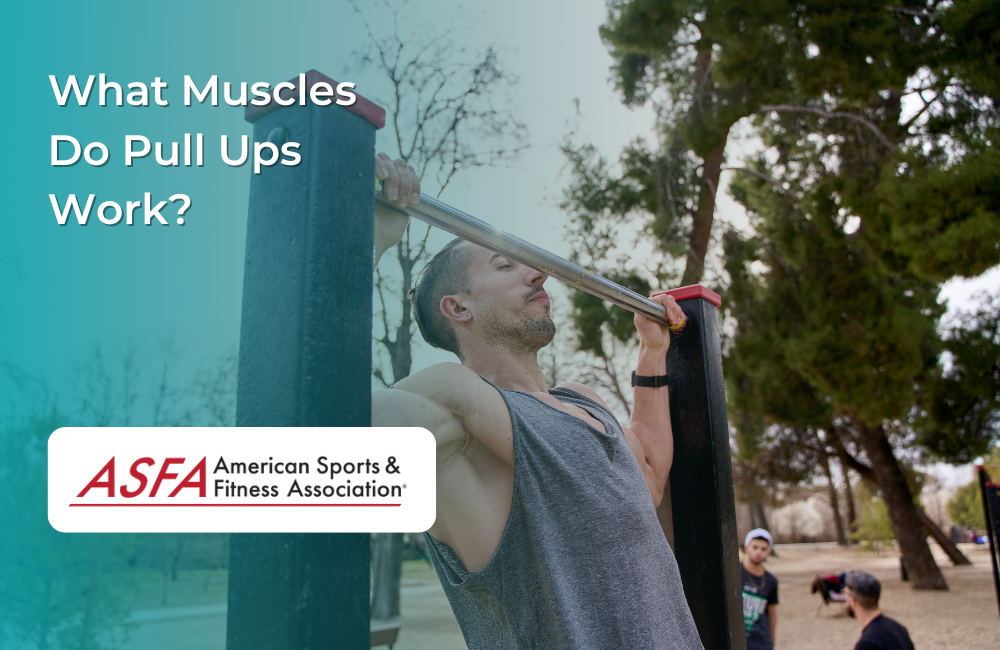
Credit: www.americansportandfitness.com
Safety Considerations
Proper grip and posture are crucial to avoid strain when using pull up bars. Ensure the bar is secure to prevent accidents. Engage core muscles for balance and control during exercises.
Pull-up bars offer an effective workout for upper body muscles. Safety is crucial to prevent injuries. Understanding proper techniques and listening to your body ensures a safe workout experience.
Injury Prevention
Prevent injuries by using correct form and grip. Align your body and engage your core. Avoid swinging or jerking movements. Use a stable, secure bar to prevent accidents. Wear appropriate workout attire to enhance safety.
Warm-up Exercises
Warm-up exercises prepare your muscles for pull-ups. Start with light cardio to increase blood flow. Perform dynamic stretches targeting shoulders and arms. This reduces the risk of muscle strain. A good warm-up enhances performance.
Listening To Your Body
Listen to your body’s signals during workouts. Stop if you feel pain or discomfort. Fatigue can lead to improper form, increasing injury risk. Rest when needed to avoid overtraining. Your body knows its limits; respect them.
Frequently Asked Questions
What Muscle Does A Pull-up Bar Work?
A pull-up bar primarily works the latissimus dorsi muscles in your back. It also engages biceps, shoulders, and core. Pull-ups enhance upper body strength and improve grip endurance. Regular use can lead to better posture and increased muscle definition in the upper body.
Are Pull Up Bars Effective?
Pull-up bars are effective for building upper body strength. They target muscles like the back, shoulders, and arms. Regular use enhances grip strength and muscle endurance. They’re versatile and suitable for various fitness levels, making them a popular choice for home workouts.
Consistency leads to noticeable results.
Will 20 Pull-ups A Day Do Anything?
Doing 20 pull-ups daily can improve upper body strength and endurance. Consistency leads to visible muscle toning and enhanced fitness. Ensure proper form to avoid injuries. Gradually increase difficulty for better results. Always pair with a balanced diet for optimal gains.
Why Do Bodybuilders Not Do Pullups?
Bodybuilders often focus on targeted exercises for muscle growth. Pull-ups may not align with their specific training goals. They might choose other exercises that allow for more controlled resistance, isolation, or muscle targeting. Pull-ups can still be beneficial, but preferences vary based on individual fitness objectives.
Conclusion
Pull up bars target multiple muscle groups effectively. They challenge your arms, shoulders, and back. Stronger core muscles also benefit from this exercise. Regular use enhances grip strength and endurance. It’s simple and versatile for any fitness level. Pull up bars improve overall upper body strength.
Consistency is key to seeing results. Start at your own pace. Gradually increase repetitions and difficulty. Listen to your body and avoid overtraining. Pull up bars offer an efficient workout. Perfect for building muscle and improving fitness. Keep pushing for progress.
Enjoy the journey to a stronger you.