
Are you looking to build stronger, toned legs but don’t know where to start? Good leg workouts are the key to boosting your strength, improving your balance, and shaping your lower body the way you want.
Whether you’re a beginner or someone wanting to level up your routine, this guide will show you simple and effective exercises that deliver real results. Keep reading, and you’ll discover the best moves to make your legs stronger, leaner, and more powerful—no complicated equipment needed.
Ready to take the first step? Let’s dive in.
Benefits Of Strong Legs
Strong legs are important for daily life and fitness. They support your body weight and help you move with ease. Building leg strength improves overall health and physical ability. It also makes many activities safer and more enjoyable.
Improved Athletic Performance
Strong legs increase speed and power in sports. They help you jump higher and run faster. This strength improves your ability to change direction quickly. Better leg muscles lead to better performance in almost every sport.
Enhanced Balance And Stability
Leg strength helps keep your body steady. It improves your ability to stand and walk without falling. Strong legs support your core and prevent wobbling. This is important for everyday tasks and exercise safety.
Injury Prevention
Strong legs reduce the risk of injuries. They protect your knees, ankles, and hips from stress. Good leg muscles absorb shocks better during movement. This lowers the chance of strains and sprains.
Boosted Metabolism
Leg workouts burn many calories due to large muscle groups. This helps increase your metabolism and fat loss. Strong leg muscles keep your body active longer. A higher metabolism supports weight management and overall health.

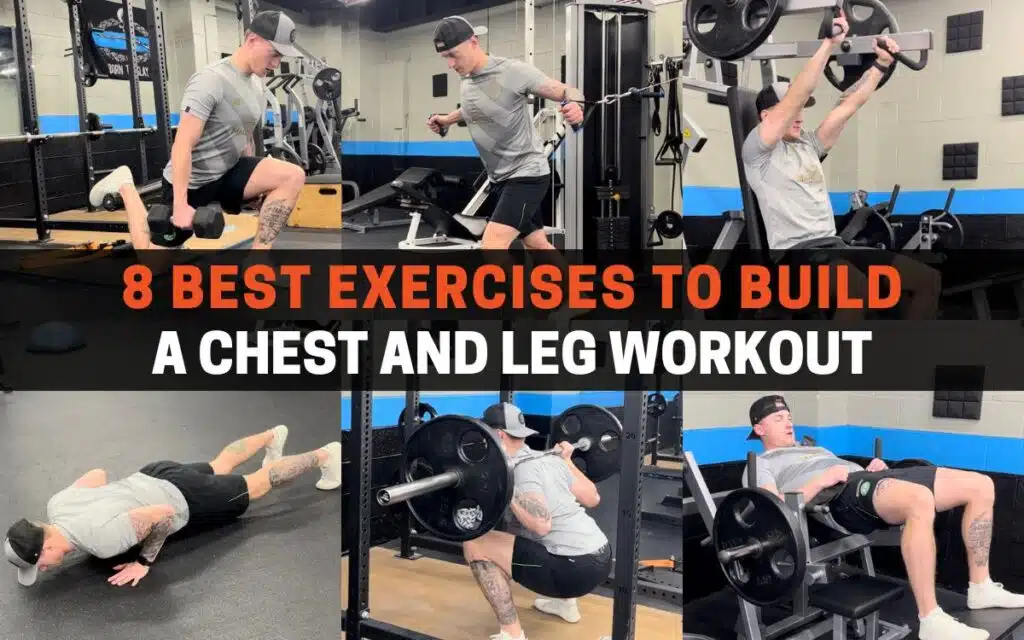
Credit: www.strengthlog.com
Key Muscle Groups In Legs
Understanding the key muscle groups in your legs helps you target them better. Each muscle group plays a vital role in movement and stability. Let’s dive into the major muscle groups in your legs.
Quadriceps
The quadriceps are on the front of your thighs. They are essential for walking, running, and jumping. Squats and lunges are excellent exercises for strengthening these muscles. Strong quadriceps improve knee stability.
Hamstrings
The hamstrings are located at the back of your thighs. They help in bending your knees and moving your hips. Exercises like deadlifts and leg curls target the hamstrings. Flexible hamstrings reduce the risk of injury.
Glutes
Your glutes consist of three muscles in your buttocks. They support your hips and thighs. Exercises such as squats and bridges work the glutes. Strong glutes aid in maintaining proper posture.
Calves
The calves are found on the back of your lower legs. They are responsible for pushing your feet off the ground. Calf raises and skipping rope are great for building calf strength. Well-developed calves enhance balance and agility.
Top Leg Exercises
Strong legs support your whole body and improve daily movements. Good leg workouts build muscle, burn calories, and boost endurance. Choosing the right exercises helps target all leg muscles evenly. Here are some top leg exercises to include in your routine.
Squats Variations
Squats target the thighs, hips, and buttocks. They help improve balance and strength. Try these variations:
- Bodyweight squat for beginners
- Goblet squat holding a weight
- Sumo squat with wide stance
- Jump squat for power and speed
Each type challenges muscles differently and adds variety.
Lunges Techniques
Lunges work the quads, hamstrings, and glutes. They also improve coordination and stability. Use these techniques:
- Forward lunge stepping ahead
- Reverse lunge stepping back
- Walking lunges moving forward
- Side lunges for inner thighs
Focus on form to avoid knee strain and maximize results.
Deadlifts Benefits
Deadlifts strengthen the hamstrings, glutes, and lower back. They improve posture and core stability. Benefits include:
- Building overall leg strength
- Enhancing hip mobility
- Engaging multiple muscle groups
- Increasing functional fitness
Start with light weights and keep the back straight.
Step-ups And Their Impact
Step-ups mimic climbing stairs and build leg power. They activate the quads and glutes intensely. Benefits include:
- Improving balance and coordination
- Enhancing unilateral leg strength
- Boosting cardiovascular fitness
- Easy to modify for all levels
Use a sturdy platform and step with control.
Calf Raises For Strength
Calf raises focus on the lower leg muscles. They improve ankle stability and walking ability. Key points:
- Can be done on flat ground or steps
- Works the gastrocnemius and soleus muscles
- Helps prevent injuries from weak calves
- Simple but effective exercise
Perform slowly and hold the top position for best effect.
Bodyweight Vs. Weighted Workouts
Choosing between bodyweight and weighted leg workouts can shape your fitness journey in different ways. Each approach offers unique benefits that suit various goals and fitness levels. Understanding these differences helps you decide what fits your routine best.
Advantages Of Bodyweight Exercises
Bodyweight exercises require no equipment, making them perfect for workouts anywhere. They improve your balance, coordination, and flexibility alongside building strength.
Think about squats, lunges, and step-ups. These moves engage multiple muscles and improve your functional fitness. Plus, you reduce the risk of injury by controlling your own body’s load.
When To Add Weights
Adding weights helps you push past strength plateaus and build muscle faster. If your bodyweight exercises start feeling too easy or you want more definition, it’s time to add resistance.
Start with dumbbells or kettlebells for exercises like goblet squats or weighted lunges. You’ll challenge your muscles differently and improve overall power and endurance.
Balancing Both Approaches
Combining bodyweight and weighted workouts gives you the best of both worlds. You can build a solid foundation with bodyweight moves and then enhance strength with weights.
Try alternating between the two within your weekly routine. This keeps your workouts fresh and helps you avoid burnout or injury. How can you mix these methods to keep progressing?
Designing A Leg Workout Routine
Designing a leg workout routine requires balance and planning. The legs have many muscles that need attention. Focusing on strength, endurance, and flexibility helps create a strong foundation.
A well-designed routine improves performance and lowers injury risk. It also supports overall body strength and mobility. Each workout should be purposeful and fit your fitness level.
Frequency And Volume
Train legs two to three times per week. This frequency helps muscles grow without overtraining. Volume means the total sets and reps done per session.
A good start is 3 to 5 sets per exercise. Aim for 8 to 15 reps depending on your goals. Rest days between sessions allow muscles to recover and get stronger.
Warm-up And Cool-down Tips
Warm-ups prepare your body for exercise. Spend 5 to 10 minutes doing light cardio like walking or cycling. Follow with dynamic stretches targeting the legs.
Cool-down helps reduce muscle soreness. Use static stretches focusing on hamstrings, quads, and calves. Hold each stretch for 20 to 30 seconds.
Progressive Overload Strategies
Progressive overload means gradually increasing workout difficulty. This approach helps muscles grow and avoid plateaus. Increase weight, reps, or sets over time.
Track your progress to stay motivated. Small changes each week lead to big gains. Change exercises occasionally to work muscles differently.
Credit: powerliftingtechnique.com
Common Mistakes To Avoid
Avoiding common mistakes is key to effective leg workouts. Mistakes can slow progress and cause injuries. Understanding these errors helps you train smarter. Focus on proper technique and balanced routines. Pay attention to your body’s signals and adjust accordingly.
Poor Form Risks
Using bad form during leg exercises can lead to injuries. Knees may get strained if not aligned properly. Back pain is common with incorrect posture. Poor form reduces workout effectiveness. It also puts pressure on joints and muscles unevenly. Always prioritize technique over heavy weights.
Overtraining Concerns
Training legs too often or too hard causes overtraining. Muscles need time to recover and grow. Overtraining leads to fatigue, soreness, and lower strength. It increases the risk of injuries and burnout. Schedule rest days between intense leg sessions. Listen to your body and avoid pushing too far.
Ignoring Muscle Imbalances
Neglecting weaker muscles creates imbalances and poor movement patterns. One leg might become stronger than the other. This can cause pain and increase injury risk. Include exercises targeting all leg muscles equally. Focus on both strength and flexibility. Balanced training improves performance and prevents problems.
Recovery For Leg Strength
Recovery plays a key role in building strong legs. After intense leg workouts, muscles need time to repair and grow. Skipping recovery can lead to injury and slow progress. Proper recovery helps maintain workout consistency and improves overall leg strength. Let’s explore ways to support recovery effectively.
Importance Of Rest
Rest allows leg muscles to heal from strain. Without enough rest, muscles stay tired and weak. Aim for at least 48 hours between heavy leg sessions. Sleep is also crucial. It helps the body repair and build muscle. Try to get 7-9 hours of quality sleep each night.
Stretching And Mobility
Stretching improves blood flow to leg muscles. It helps reduce soreness and stiffness after exercise. Gentle stretching before and after workouts can prevent tightness. Mobility exercises keep joints flexible and reduce injury risk. Focus on hamstrings, quads, calves, and hips for balanced leg health.
Nutrition For Muscle Repair
Muscles need proper nutrients to recover and grow. Protein supports muscle repair and growth. Include lean meats, beans, or dairy in meals. Carbohydrates restore energy used during workouts. Fruits, vegetables, and whole grains provide essential vitamins and minerals. Stay hydrated to help nutrient delivery and reduce muscle cramps.

Credit: www.reddit.com
Frequently Asked Questions
What Are The Best Exercises For Leg Strength?
Squats, lunges, and deadlifts are top exercises for leg strength. They target quads, hamstrings, and glutes effectively. Consistent training with proper form boosts muscle growth and stability.
How Often Should I Do Leg Workouts Weekly?
Aim for 2 to 3 leg workouts per week. This frequency allows muscle recovery and growth. Avoid overtraining to prevent injury and maximize results.
Can Leg Workouts Help With Overall Fitness?
Yes, leg workouts improve balance, endurance, and metabolism. Strong legs support better posture and daily movement. They also enhance athletic performance and calorie burning.
What Equipment Is Needed For Good Leg Workouts?
Basic equipment like dumbbells, resistance bands, or a barbell helps intensify leg workouts. Bodyweight exercises alone can also be very effective. Equipment choice depends on fitness level and goals.
Conclusion
Strong legs improve balance, strength, and daily movement. Choose exercises that target all leg muscles. Squats, lunges, and deadlifts work well together. Consistency matters more than doing too much at once. Rest and proper form help avoid injuries. Start with lighter weights and increase gradually.
Enjoy the process and track your progress. Good leg workouts build a strong foundation for your body. Stay patient and keep moving forward.