
Are you wondering if a lifting belt could boost your workout or protect you from injury? Knowing when to use a lifting belt can make a big difference in your training results and safety.
Using it at the right time helps you lift heavier, stay stable, and reduce strain on your back. But using it too often or at the wrong moment might actually hold you back. Keep reading to discover exactly when you should reach for that belt—and when it’s better to skip it—so you can lift smarter and stronger every time.
Benefits Of Using A Lifting Belt
Using a lifting belt can make a significant difference in your weightlifting routine. It’s not just about looking the part; a belt offers real benefits that can boost your strength and protect your body. Understanding these benefits helps you decide when and why to add a belt to your workout gear.
Enhanced Core Stability
A lifting belt increases pressure around your abdominal area, which helps stabilize your core. This extra support keeps your spine aligned and reduces the strain on your lower back. When your core is stable, you can lift heavier weights with more confidence and less risk of injury.
Improved Lifting Performance
Wearing a belt can improve your overall lifting performance by giving you a solid base to push from. It allows you to generate more intra-abdominal pressure, which translates into greater power during lifts like squats and deadlifts. Have you noticed how certain workouts just feel easier or more controlled when you belt up?
Injury Prevention
A major reason to use a lifting belt is injury prevention. The belt helps protect your lower back by limiting excessive forward bending and twisting during heavy lifts. This added safety net can be crucial, especially when you’re pushing your limits or recovering from minor strains.
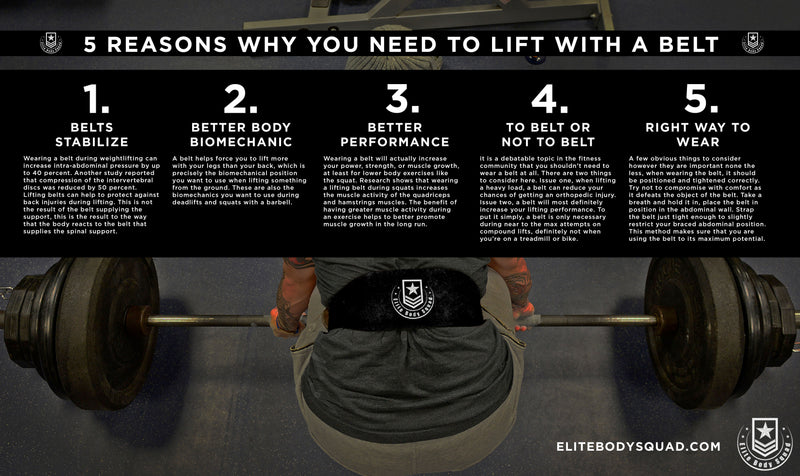
Credit: www.elitebodysquad.com
Types Of Lifting Belts
Choosing the right lifting belt can make a big difference in your training. Each type of belt offers unique benefits based on your lifting style and goals. Understanding the differences helps you pick the one that fits your needs perfectly.
Powerlifting Belts
Powerlifting belts are thick and stiff, designed to provide maximum support during heavy lifts like squats and deadlifts. They usually have a single prong or lever buckle for a secure fit. If you’re pushing your limits with maximal weights, this belt helps stabilize your core and protect your lower back.
One thing I noticed when I switched to a powerlifting belt was the added confidence during my heaviest sets. It’s not just about support; it’s about feeling locked in and ready to push harder.
Weightlifting Belts
Weightlifting belts are typically thinner and more flexible than powerlifting belts. They allow for greater mobility, which is crucial for Olympic lifts like the snatch and clean & jerk. The belt still offers solid core support but won’t restrict your movement during fast, dynamic lifts.
If your routine includes explosive lifts, this belt lets you maintain technique without sacrificing safety. Have you ever felt your belt getting in the way when trying to move quickly? A weightlifting belt can solve that problem.
Velcro Belts
Velcro belts are lightweight and easy to adjust, making them popular for beginners and general gym use. They provide moderate support and are great for lighter lifts or accessory movements. The quick fastening system means you can tighten or loosen the belt on the fly.
When I first started, I used a Velcro belt because it was simple and convenient. It’s perfect if you want some extra stability without the bulk of traditional belts. Do you prefer convenience over maximum support during your workouts?
When To Wear A Lifting Belt
Knowing the right time to wear a lifting belt helps protect your back. It supports your core and improves stability during lifts. Using it correctly can reduce injury risks and boost your performance.
Heavy Lifting Sessions
Wear a lifting belt during heavy lifting sessions. When weights feel very challenging, the belt adds extra support. It helps keep your spine safe and your body strong.
Maximal Effort Lifts
Use a belt for maximal effort lifts. These are your heaviest or most difficult attempts. The belt helps increase abdominal pressure, giving you more power and control.
Specific Training Goals
Choose to wear a belt for certain training goals. For example, if you want to improve your squat or deadlift form. The belt aids in maintaining proper posture and stability.
How To Wear A Lifting Belt Correctly
Wearing a lifting belt correctly can make a significant difference in your performance and safety during heavy lifts. It’s not just about wrapping the belt around your waist; it’s about positioning, adjusting, and even how you breathe. Let’s break down these key steps so you can maximize the belt’s benefits every time you train.
Positioning The Belt
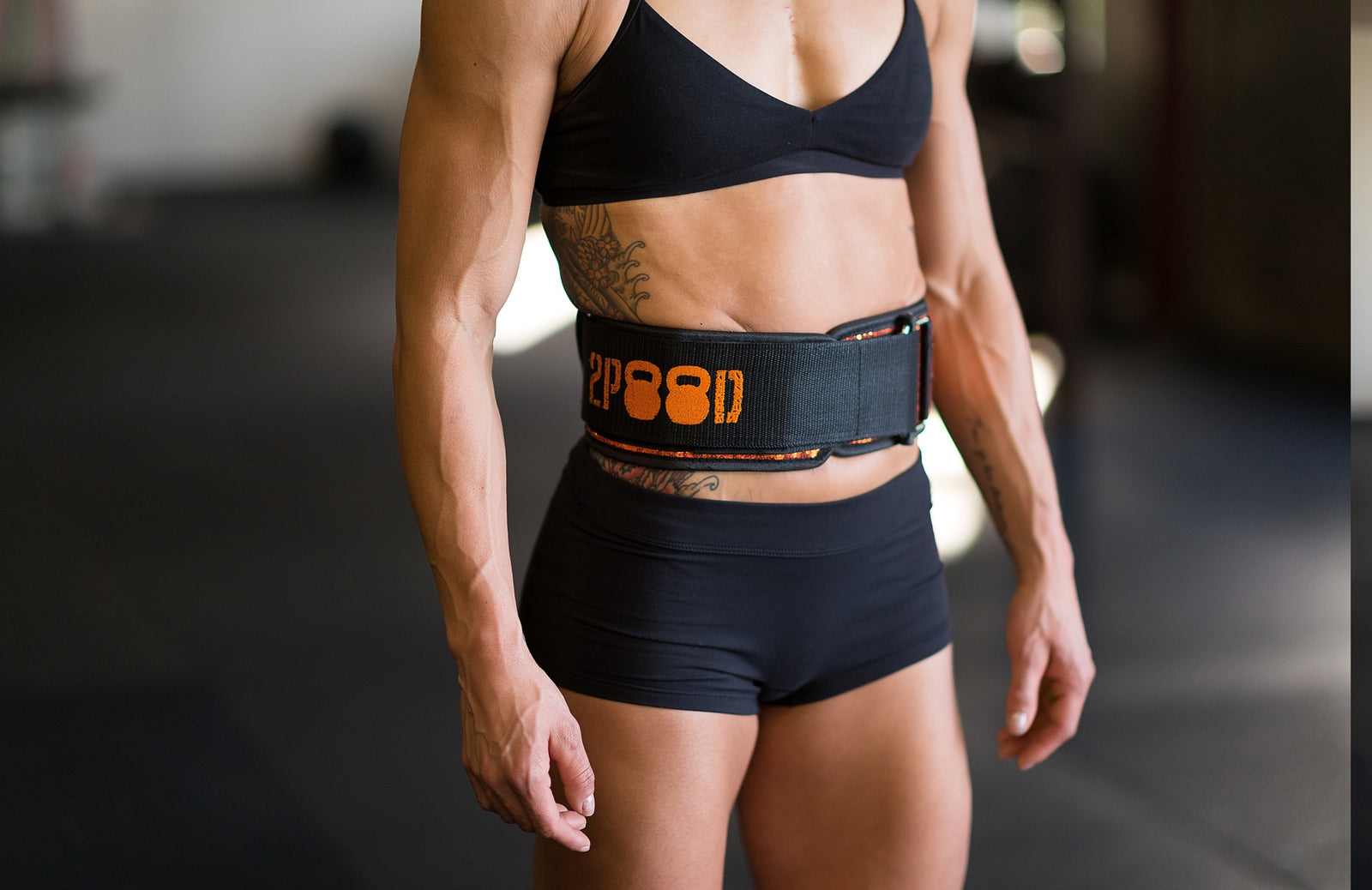
The belt should sit snugly around your lower back and abdomen, just above your hip bones. Avoid placing it too high or too low; the goal is to support your core where it naturally braces during a lift.
If you feel the belt digging into your ribs or hips, you probably need to adjust its placement. Try standing in front of a mirror to check that the belt covers your lower abs and lumbar region evenly.
Adjusting For Comfort And Support
Strap the belt so it’s tight enough to provide firm support but not so tight that it restricts your movement or breathing. You should feel a solid pressure that encourages your core muscles to engage.
Think about how the belt feels during a squat or deadlift warm-up set. If it shifts or feels loose, tighten it slightly. Many lifters find that a snug fit enhances their confidence and control.
Breathing Techniques
Effective breathing is crucial when using a lifting belt. Take a deep breath into your belly, not just your chest, to increase intra-abdominal pressure.
Hold this breath while bracing your core against the belt before you lift. This technique helps stabilize your spine and reduces the risk of injury.
Ask yourself: are you truly filling your core with air, or just taking shallow breaths? Proper breathing can be the difference between a safe lift and a back strain.
Common Mistakes With Lifting Belts
Lifting belts can help protect your back during heavy lifts. Using them wrongly can cause harm or reduce their benefits. Avoiding common mistakes ensures you get the best support and safety.
Over-reliance On The Belt
Some lifters use belts for every lift, even light ones. This can weaken core muscles over time. Your body needs to build strength naturally without always depending on the belt. Use belts only for heavy lifts that need extra support.
Improper Sizing
A belt that is too loose or too tight won’t work well. Loose belts slip and fail to support your spine. Tight belts can reduce blood flow and cause discomfort. Measure your waist and choose the right size for a snug fit.
Incorrect Timing Of Use
Wearing a belt all the time can be harmful. Put on the belt just before heavy sets and remove it after. Using it during warm-ups or light exercises may stop your core from working properly. Timing matters for safety and effectiveness.
Credit: swolverine.com
Alternatives To Lifting Belts
Choosing not to rely solely on a lifting belt can help you develop a stronger, more resilient body. There are several alternatives that focus on natural strength and technique, which often provide better long-term results. These options not only protect you but also enhance your overall performance in the gym.
Building Core Strength
Your core is the foundation of almost every lift. Strengthening it reduces the need for external support like a belt.
Try exercises such as planks, hanging leg raises, and bird dogs. These moves target the deep muscles that stabilize your spine during heavy lifts.
When I focused on core training, my back pain decreased significantly, and I felt more confident lifting without a belt. Could your core be the missing link in your lifting routine?
Improving Technique
Good form often prevents injuries more effectively than a belt can. Mastering your lifting technique is crucial.
Record your lifts or train with a coach to identify weaknesses. Small adjustments in posture or breathing can improve stability drastically.
Remember, a belt can’t fix poor technique—it only masks it. What part of your form might be holding you back?
Progressive Overload Strategies
Gradually increasing weights and reps prepares your body safely for heavier lifts. This approach minimizes the sudden stress that might make you reach for a belt prematurely.
Use microloading or add sets instead of jumping to heavier weights quickly. This steady progression builds strength and confidence naturally.
When I adopted this strategy, I noticed better control and less dependency on support gear. Are you pacing your progress to build true strength?
Safety Tips For Belt Users
Using a lifting belt can offer extra support during heavy lifts, but it’s crucial to use it safely to avoid injury. Knowing when and how to wear a belt can make a big difference in your training outcomes and long-term health. Here are some essential safety tips to keep in mind as you integrate a lifting belt into your routine.
Listening To Your Body
Your body gives clear signals when something isn’t right. If you feel unusual pain or discomfort while wearing a belt, stop immediately and reassess your technique or the belt’s fit. Ignoring these signs can lead to serious injuries, so always prioritize how you feel over pushing through discomfort.
Think about times when you ignored minor aches and ended up sidelined. Could a belt have helped or made things worse? Pay attention to your body’s response to both the belt and the weights you’re lifting.
Gradual Introduction To Heavy Loads
Jumping into heavy lifting with a belt without proper buildup is risky. Start with lighter weights and gradually increase the load while wearing the belt to allow your muscles and core to adapt. This step-by-step approach helps you understand how the belt affects your posture and stability under pressure.
Consider tracking your progress in a journal, noting how your body feels at each stage. This practice helps you identify when it’s safe to add more weight or if you need to pause and adjust your technique.
Consulting With A Professional
Getting advice from a coach or physical therapist can prevent common mistakes. A professional can assess your form, suggest the right type of belt, and teach you how to use it effectively. Their guidance can save you from developing bad habits that might cause injury down the line.
Have you ever tried to self-diagnose an issue and ended up worsening it? Consulting an expert early on can keep your training on track and help you lift smarter, not just harder.

Credit: uk.gymreapers.com
Frequently Asked Questions
When Is The Best Time To Wear A Lifting Belt?
Wear a lifting belt during heavy lifts, usually above 80% of your max. It helps stabilize your core and reduce injury risk. Avoid using it for light exercises to build natural core strength.
Does A Lifting Belt Improve Lifting Performance?
Yes, a lifting belt can enhance performance by increasing intra-abdominal pressure. This pressure supports your spine, allowing you to lift heavier weights safely and with better form.
Can Beginners Use A Lifting Belt Safely?
Beginners can use a lifting belt but should focus on form first. It’s best to learn proper technique before relying on a belt for support.
How Does A Lifting Belt Protect Your Lower Back?
A lifting belt increases intra-abdominal pressure, stabilizing the spine. This reduces stress on the lower back during heavy lifts, lowering the risk of injury.
Conclusion
A lifting belt supports your lower back during heavy lifts. Use it for exercises like squats or deadlifts. It helps keep your posture strong and safe. Avoid using it for light or warm-up sets. Remember, a belt does not replace good technique.
Build your core strength alongside using the belt. Listen to your body and use the belt wisely. This way, you protect yourself and lift better.